
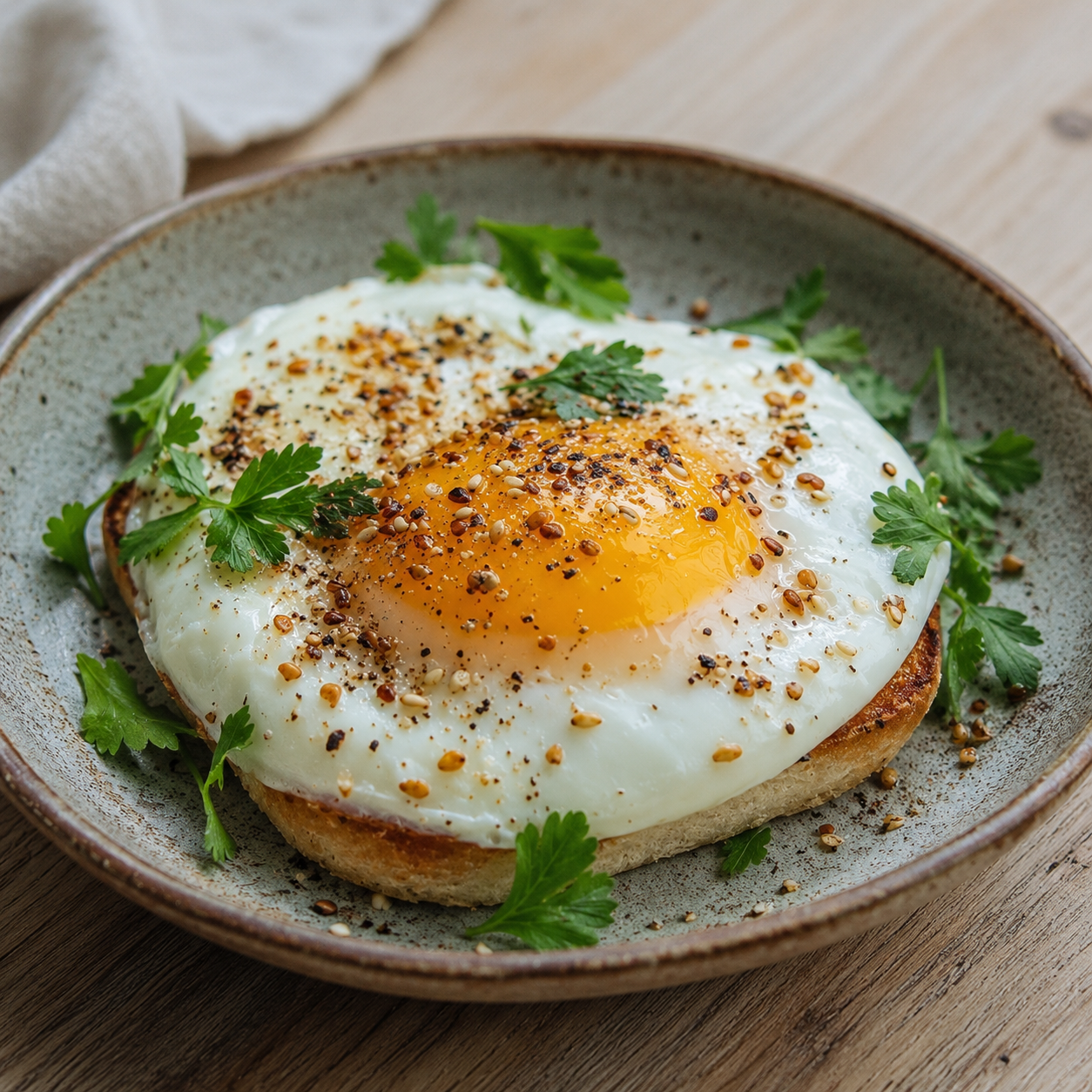

There is something deeply comforting about a quiet morning that begins with a warm breakfast. Air Fryer Poached Eggs fit beautifully into that kind of moment, because they feel simple, gentle, and just a little special without asking much from the cook.
Some breakfast recipes feel rushed, but this one feels calm. It turns a single egg into something soft, elegant, and satisfying, while the air fryer quietly handles most of the work.
That is part of what makes it so appealing. It offers the soft, delicate texture people love in poached eggs, but removes much of the uncertainty that often comes with traditional stovetop poaching.
There is also something wonderfully nostalgic about poached eggs. They often bring to mind slower mornings, warm kitchens, and the kind of breakfast that feels prepared with care rather than hurried out of necessity.
This version keeps that comforting spirit while making the process much easier. The ramekin, the water, and the low air fryer temperature work together to create an egg that feels tender and custardy, with barely any fuss at all.
The result is a breakfast that looks elegant enough for brunch but is easy enough for a weekday morning. That balance between beauty and simplicity is what makes this recipe especially worth keeping.
The texture is one of the biggest reasons to love it. The egg cooks gently, staying soft and creamy rather than rubbery, and the yolk can be adjusted slightly depending on how firm or runny you prefer it.
Another lovely thing about this recipe is how adaptable it feels. A poached egg like this can sit on toast, top a salad, rest beside crispy bacon, or become part of a brunch spread that looks far more complicated than it really is.
The ingredient list is almost effortless. You need an egg, a little water, a lightly greased ramekin, and perhaps a pinch of salt and pepper, yet the final result still feels thoughtful and complete.
That kind of recipe is always valuable. When something this easy can still feel warm, elegant, and genuinely satisfying, it becomes the sort of breakfast people return to again and again.
Air Fryer Poached Eggs are exactly that kind of recipe. They are simple, soft, practical, and quietly impressive in a way that makes even an ordinary morning feel better.
Table of Contents
- What Are Air Fryer Poached Eggs?
- Why You’ll Love Air Fryer Poached Eggs
- Ingredients You’ll Need
- Fresh Egg
- Water
- Cooking Spray or Oil
- Salt and Pepper
- Optional Toppings
- Equipment You’ll Need
- Air Fryer
- Ramekin
- Step-by-Step Directions for Air Fryer Poached Eggs
- Preparing the Ramekin
- Adding the Egg
- Air Frying the Egg
- Removing and Serving the Egg
- Variations to Try
- Spicy Variation
- Avocado Variation
- Vegetable Variation
- Herb Variation
- Lower-Cholesterol Variation
- Serving and Storage Tips
- Common Mistakes to Avoid
- Helpful Notes
- Frequently Asked Questions
- Why This Breakfast Feels So Special
- Final Thoughts on Air Fryer Poached Eggs
- Air Fryer Poached Eggs
- Equipment
- Ingredients
- Instructions
- Notes
What Are Air Fryer Poached Eggs?
Air Fryer Poached Eggs are eggs cooked gently in a ramekin with a little water inside an air fryer. Instead of swirling water in a saucepan and carefully managing the stovetop, the air fryer creates a calm, low-heat environment that helps the egg cook into a soft and custardy texture.
The source describes them as a simple yet elegant way to enjoy poached eggs without the traditional fuss. That description fits perfectly, because the recipe preserves the delicate texture of poached eggs while replacing the more technical method with something much easier.
This makes the recipe especially useful for people who love poached eggs but do not enjoy the unpredictability of making them on the stove. It is also a good option for beginners who want a beautiful breakfast without learning tricky timing right away.
The process is refreshingly short. Prep time is 5 minutes, cook time is 8 minutes, and the total time is only 13 minutes.
The recipe serves 1 egg, though the source also suggests that you can prepare a batch. That makes it flexible for solo breakfasts, shared brunches, or meal prep if you want a few ready to enjoy later.
Why You’ll Love Air Fryer Poached Eggs
One of the biggest reasons to love this recipe is its simplicity. It takes the idea of poached eggs, which can sometimes feel delicate or intimidating, and turns it into something very manageable.
Another reason is the short timing. In just 13 minutes, you can have a warm breakfast that feels polished and satisfying.
This recipe is also beginner-friendly. The source is clear that no fancy techniques are required, and that makes it especially inviting for cooks who want something elegant without stress.
It is also incredibly versatile. You can season the eggs simply, top them with herbs or chili flakes, and serve them in different ways depending on what kind of breakfast you want.
The source also mentions that these eggs are great for gatherings. That makes sense, because a poached egg always looks thoughtful and beautiful on the plate, even when the process behind it is surprisingly easy.
Another reason to keep this recipe close is the make-ahead potential. If you cook a batch, you can store them and reheat them later for a quick breakfast fix.
Most of all, they feel comforting. There is something about a soft egg with a creamy center that makes breakfast feel calmer, warmer, and more complete.
Ingredients You’ll Need
This recipe relies on only a few ingredients, but each one matters because the method is so minimal. When a recipe is this simple, every little detail helps shape the final texture and flavor.
Fresh Egg
You will need 1 fresh egg. The source says cold or room temperature eggs both work for this recipe.
The quality of the egg matters because it is the star of the dish. A fresh egg tends to hold its shape better and gives the best final appearance and texture.
Water
You will need 2 tablespoons of water per ramekin. This creates the moisture needed for the poaching environment inside the air fryer.
This little amount of water is one of the most important parts of the recipe. Without it, the egg would not cook with the same soft, tender texture.
Cooking Spray or Oil
You will need cooking spray or a light coating of oil to grease the ramekin. This helps prevent sticking and makes it much easier to remove or serve the egg neatly.
The source treats this as a simple step, but it is very important. A well-greased ramekin makes the final result much smoother and less frustrating.
Salt and Pepper
You will need salt and pepper to taste for serving. These basic seasonings help bring out the natural flavor of the egg.
Even a very simple egg benefits from seasoning. Salt especially helps the creamy texture feel fuller and more satisfying.
Optional Toppings
The source suggests everything bagel seasoning, chili flakes, chopped parsley, or chopped chives. These are optional, but they add texture, freshness, or heat depending on your preference.
Everything bagel seasoning adds a savory, crunchy finish. Chili flakes add warmth and a little spice.
Parsley and chives bring freshness and color. These small finishing touches can shift the mood of the dish while keeping the recipe just as easy.
Equipment You’ll Need
This recipe is intentionally simple, and the equipment reflects that. You do not need much, which is another reason it feels so approachable.
Air Fryer
The air fryer is essential because it provides the low, steady heat that gently cooks the egg. The source specifically uses 270°F, which is low enough to create a soft, custardy result.
Ramekin
You will need a ramekin to hold the egg and water. The ramekin creates the little cooking vessel that allows the egg to poach neatly rather than spread or dry out.
A ramekin is especially helpful because it keeps the egg contained. That makes the method much more consistent and beginner-friendly.
Step-by-Step Directions for Air Fryer Poached Eggs
This method is very straightforward, but attention to the small details helps the final egg come out silky, tender, and easy to serve. Because the recipe is so minimal, each step makes a real difference.
Preparing the Ramekin
Step 1: Choose a Suitable Ramekin
Start with a ramekin that fits securely in your air fryer basket. It should sit flat and steady so the egg cooks evenly and safely.
A stable ramekin matters more than it may seem. If it tilts, the egg can cook unevenly or become harder to remove neatly.
Step 2: Grease the Ramekin Well
Lightly grease the inside of the ramekin with cooking spray or a thin coat of oil. The source emphasizes this step because it helps keep the egg from sticking once cooked.
This simple preparation makes serving much easier. Without it, even a perfectly cooked egg can tear or cling to the sides.
Step 3: Set the Ramekin Aside
Once greased, set the ramekin aside and get ready to add the egg. This keeps the process smooth and helps avoid forgetting the greasing step later.
A recipe this short benefits from a calm, organized approach. Having the ramekin ready makes the rest feel almost effortless.
Adding the Egg
Step 4: Crack the Egg Gently
Crack the egg carefully into the prepared ramekin. Try to keep the yolk intact, since a smooth, whole yolk contributes to the finished look and texture.
The source specifically notes this detail, and it is a good one. A broken yolk will still cook, but the final result will not feel quite as elegant.
Step 5: Add the Water
Pour 2 tablespoons of water into the ramekin with the egg. This added moisture creates the gentle poaching environment that gives the egg its soft texture.
This is not an optional detail. The water helps the egg cook more tenderly and is central to the whole technique.
Step 6: Season Lightly if Desired
Add salt and pepper before cooking if you want to season the egg right away. The source notes that this is optional, but a little seasoning can enhance the flavor beautifully.
You may also prefer to season after cooking instead. Either approach works, depending on how you like to finish your egg.
Air Frying the Egg
Step 7: Preheat the Air Fryer
Preheat your air fryer to 270°F, or 130°C. The source clearly states that this low temperature is key to achieving the right texture.
This is one of the most important details in the whole recipe. A higher temperature can overcook the egg and make it firmer than intended.
Step 8: Place the Ramekin in the Basket
Carefully place the ramekin in the air fryer basket. Make sure it sits flat and secure before closing the air fryer.
This step should be done gently, since the egg is still raw and delicate at this point. A careful placement helps keep the yolk centered and intact.
Step 9: Cook for 8 Minutes
Cook the egg for 8 minutes. According to the source, this should give you a soft and custardy poached egg.
This is the moment when the air fryer quietly does its work. The egg cooks gently, and the water helps maintain the soft environment needed for poaching.
Step 10: Adjust for Firmer Yolks if Needed
If you prefer a firmer yolk, cook the egg for an extra minute or two. The source includes this as an easy adjustment based on personal preference.
That flexibility is especially useful because egg texture is such a personal thing. The basic method stays the same, but the final result can shift slightly depending on what you enjoy most.
Removing and Serving the Egg
Step 11: Remove the Ramekin Carefully
Once the egg is done, carefully remove the ramekin from the air fryer using oven mitts or another safe tool. The source reminds you that the ramekin will be hot.
This is a small but important safety step. A hot ramekin can be easy to underestimate, especially in a quick recipe like this.
Step 12: Let It Cool Briefly
Allow the ramekin to cool for a moment before handling the egg. This small pause makes it easier to serve and helps the egg settle a bit.
That brief rest also gives you a chance to prepare toppings or whatever you plan to serve with it. A calm final moment keeps the whole breakfast feeling relaxed.
Step 13: Loosen the Egg Gently
Run a spoon gently around the edges of the ramekin to loosen the egg. The source suggests this step to help the egg release cleanly.
This is where the greased ramekin pays off. A gentle sweep around the edge makes serving much easier and keeps the egg looking neat.
Step 14: Serve Immediately
Serve the poached egg right away while it is still warm and soft. This is when the texture feels most comforting and satisfying.
A fresh poached egg is always at its best when served promptly. The soft center and tender whites are especially lovely when enjoyed right away.
Step 15: Add Toppings
Finish with everything bagel seasoning, chili flakes, parsley, or chives if desired. These toppings help personalize the dish and add a little extra flavor or texture.
The source keeps the topping ideas simple, and that suits the recipe perfectly. A poached egg does not need much to feel special.
Variations to Try
One of the nicest things about this recipe is how flexible it is. Since the egg itself is so simple, small changes in toppings or additions can completely shift the feel of the dish.
Spicy Variation
Step 1: Add Hot Sauce or Chili Flakes
The source suggests a splash of hot sauce or chili flakes for a spicy twist. This adds a bright little kick that contrasts beautifully with the creamy egg.
This is especially good if you like a breakfast with more energy. The heat makes the softness of the egg feel even more comforting.
Avocado Variation
Step 2: Add Avocado and Lime
Top the egg with diced avocado and a squeeze of lime. The source includes this as a fresh and creamy option.
That pairing works naturally because the avocado adds richness while the lime keeps the whole bite feeling light and fresh.
Vegetable Variation
Step 3: Add Spinach or Mushrooms
The source suggests sautéed spinach or mushrooms before cracking in the egg. This creates a more substantial breakfast and adds more nutrition.
This is a lovely way to turn a simple poached egg into something closer to a full meal. It adds flavor and makes the dish feel even more complete.
Herb Variation
Step 4: Try Different Fresh Herbs
Use dill or basil instead of parsley or chives for a different seasonal flavor. The source notes this as another easy way to personalize the egg.
Fresh herbs can completely shift the final feel of the dish. They keep the recipe simple while still making it feel new.
Lower-Cholesterol Variation
Step 5: Try an Egg Substitute
The source says egg substitutes can be used, though the texture may differ slightly. This gives you another option if needed.
It is worth remembering that the charm of this recipe comes largely from the egg’s natural custardy texture, so alternatives may not feel exactly the same, but they still offer flexibility.
Serving and Storage Tips
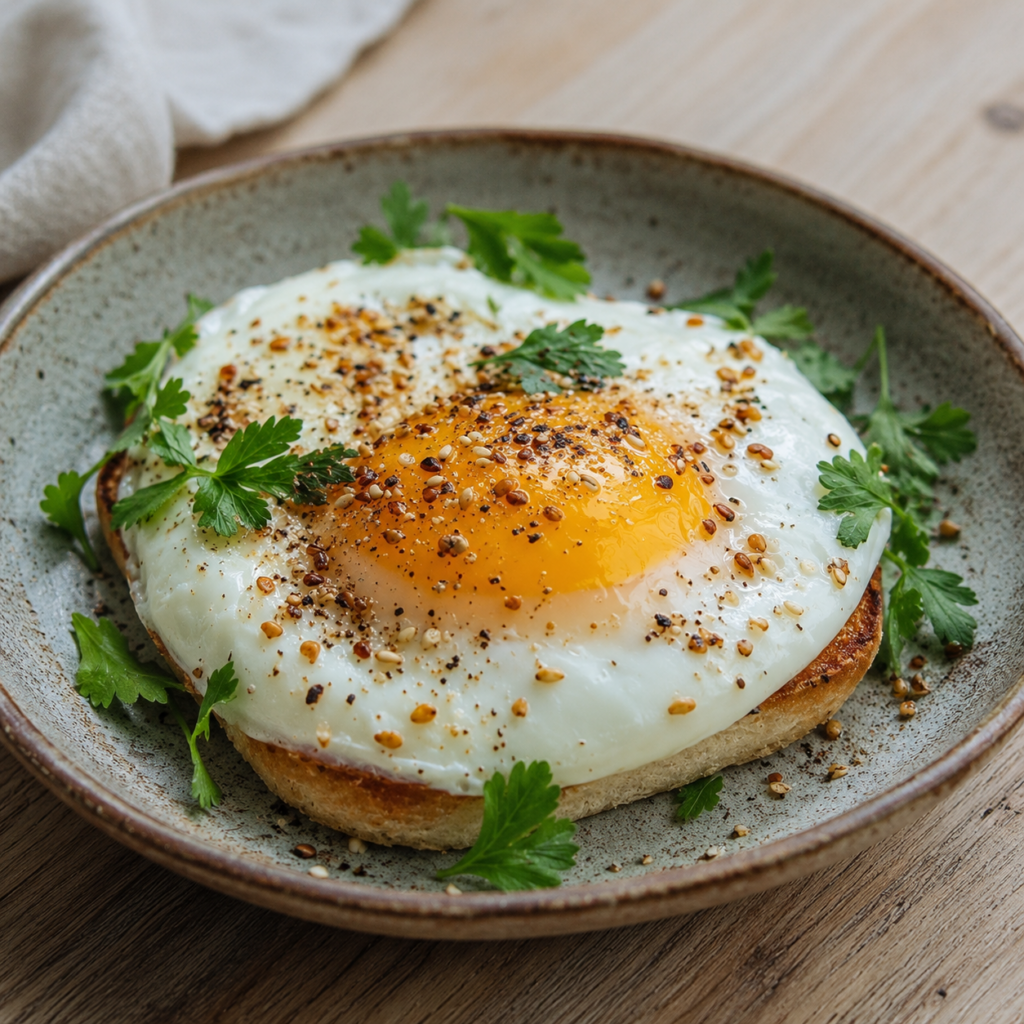
Serve Air Fryer Poached Eggs on warm toast, over a salad, or beside breakfast favorites like bacon or avocado. The source highlights these options because they provide texture and balance that work especially well with a soft egg.
The recipe can also be enjoyed as part of brunch. A poached egg naturally makes a plate feel a little more elegant, even when the preparation itself is very simple.
If you have leftovers, store them in an airtight container in the refrigerator for up to 2 days. The source suggests separating multiple eggs with parchment paper to prevent sticking.
To reheat, use the air fryer or microwave gently so the eggs warm through without overcooking. That soft texture is part of what makes them appealing, so gentle reheating matters.
Common Mistakes to Avoid
One common mistake is not greasing the ramekin. The source clearly warns that this can cause sticking, and that can make serving much more frustrating.
Another mistake is using too high a temperature. The recipe specifically depends on 270°F for the right texture, and higher heat can turn the egg firmer than intended.
Skipping the water is also a major problem. The source emphasizes that the water is part of what creates the poaching environment, so leaving it out changes the result significantly.
Overcooking is another easy issue. The source suggests starting with 8 minutes and then adjusting based on your preferred yolk texture, which is the smartest way to approach it.
Helpful Notes
The source notes that larger eggs or even a splash of cream can create creamier results. This is a small detail, but it shows how the recipe can be adjusted while still staying simple.
Fresh herbs should be chopped finely for better distribution. That helps the garnish feel more balanced and keeps the final plate looking tidy.
The source also suggests flavored oils like truffle oil for a more gourmet finish. That is a lovely example of how such a simple recipe can still be dressed up if you want it to feel a little more luxurious.
For anyone with an egg allergy, the source mentions silken tofu as a possible substitute. The texture will be different, but the idea of a soft, warm breakfast remains.
Frequently Asked Questions
Can the recipe be frozen?
Yes, according to the source, poached eggs can be frozen, though the texture may change slightly when reheated. To do this, freeze the cooked eggs in a single layer first, then transfer them to an airtight container.
This makes the recipe even more practical for meal prep. Still, fresh is likely to give the best texture.
Can ingredients be substituted?
Absolutely. The source says butter or olive oil can replace cooking spray for greasing the ramekin, and egg substitutes can also be used if needed.
That flexibility is helpful, especially in a recipe this simple. Small substitutions can make it easier to use what you already have on hand.
How should leftovers be stored?
Store leftovers in an airtight container in the refrigerator for up to 2 days. If you have multiple eggs, separate them with parchment paper so they do not stick together.
This small storage detail makes reheating much easier later. It helps preserve both appearance and texture.
Can the recipe be made ahead?
Yes, the source says you can grease the ramekins, add the eggs and water, then cover and refrigerate until ready to cook. That makes the recipe especially convenient for a faster morning.
This is a great option for brunch or busy weekdays. It keeps the recipe feeling calm and manageable even before the day really starts.
Why This Breakfast Feels So Special
Some breakfasts feel rushed and practical. Others feel gentle, thoughtful, and just a little more comforting.
These poached eggs belong in that second category. They are simple, but they bring the kind of softness and warmth that can change the tone of a morning.
Part of that comes from the texture. A well-poached egg has a tenderness that feels soothing and satisfying in a way that many quicker breakfasts do not.
Part of it comes from the method. The air fryer turns something that can feel delicate and difficult into something approachable, and that makes the recipe even more inviting.
There is also something emotional about a warm breakfast that looks beautiful without much effort. It feels like care on a plate, even when it only took a few ingredients and a few minutes to make.
That is what makes this recipe memorable. It is not only easy, but quietly comforting.
Final Thoughts on Air Fryer Poached Eggs
Air Fryer Poached Eggs are the kind of recipe that prove breakfast does not need to be complicated to feel lovely. With just one egg, a little water, a greased ramekin, and a low air fryer temperature, you can create something soft, elegant, and deeply satisfying.
That is part of what makes the recipe so useful. It fits into busy mornings, quiet breakfasts, simple brunches, and even make-ahead planning without losing its gentle charm.
The ingredients are minimal, the method is approachable, and the final result still feels polished and comforting. That is exactly the sort of recipe worth keeping close.
Whether you serve the egg on toast, beside avocado, with fresh herbs, or simply with salt and pepper, it keeps that same warm spirit. It is soft, tender, calming, and beautifully simple.
And in the end, that may be what makes it so special. It is not just breakfast.
It is a small morning comfort made easy.
Air Fryer Poached Eggs

Air Fryer Poached Eggs are a simple way to make a soft, delicate egg with very little effort. This easy method uses a ramekin and a bit of water to create a tender poached egg that works well for breakfast or a quick meal.
- Prep Time: 5 minutes
- Cook Time: 8 minutes
- Total Time: 13 minutes
- Course: Breakfast
- Cuisine: American
- Servings: 1 egg
Equipment
Air Fryer
Ramekin
Ingredients
Optional Toppings
- Everything bagel seasoning, optional
- Chili flakes, optional
- Chopped parsley or chives, optional garnish
For the Poached Egg
- Water, 2 tablespoon, per ramekin
- Egg, 1, fresh cold or room temperature
- Cooking spray or oil, to grease ramekin
- Salt & pepper, to taste, for serving
Instructions
Lightly grease the ramekin with cooking spray or oil.
Crack the egg into the ramekin, then pour in 2 tablespoons of water.
Season with salt and pepper if desired.
Place the ramekin in the air fryer and cook at 270°F (130°C) for 8 minutes.
Carefully take the ramekin out and serve the egg with any optional toppings you like.
Notes
You can adjust the cooking time depending on whether you prefer a softer or firmer poached egg.

Fernando is the creator and writer behind the food blog Eating with your Hands. Living and working in cities like Paris, Barcelona, and Berlin, and being married to a Canadian foodie, has given Fernando a passion and interest in food and inspired him to run EWYH.