
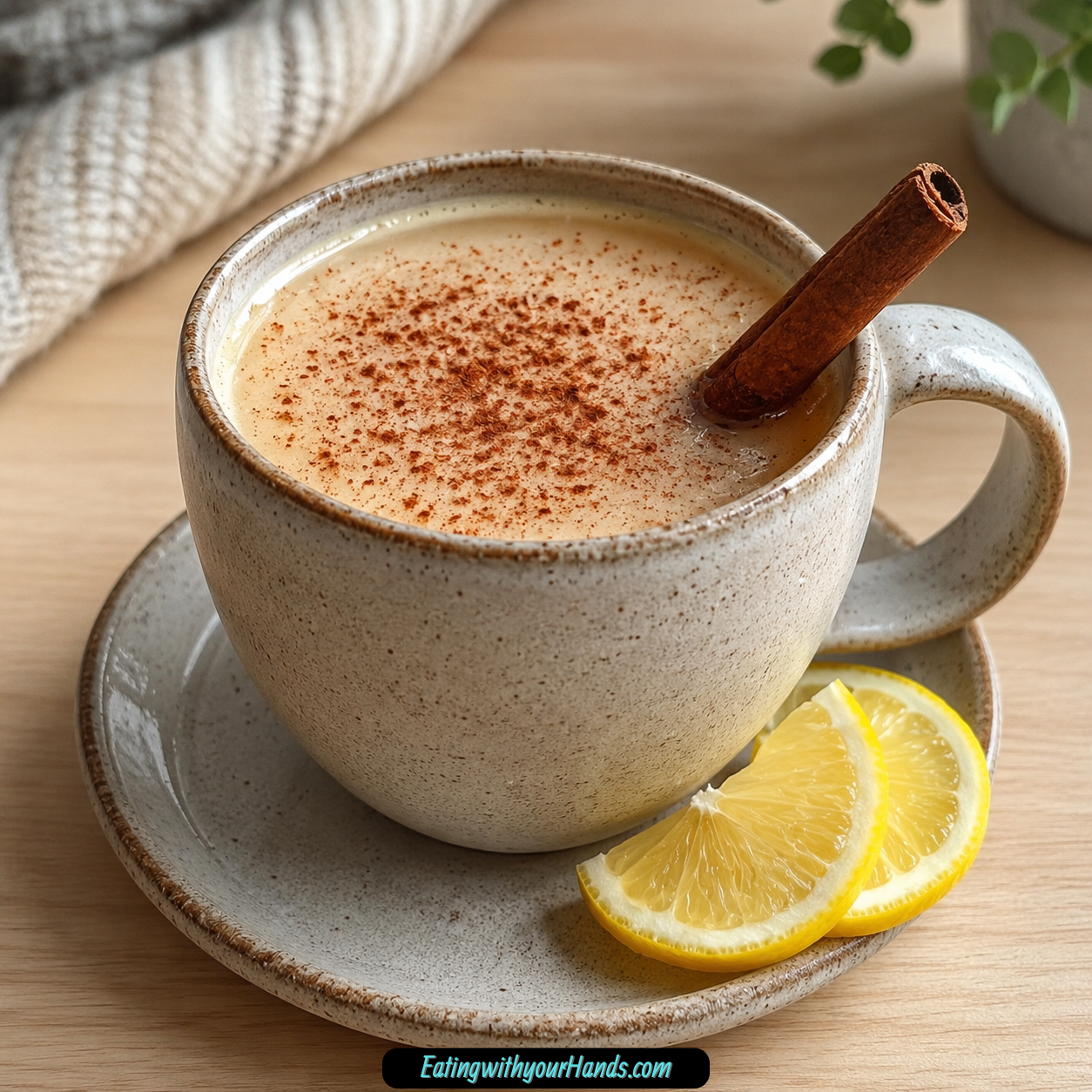
Cinnamon Sore Throat Tea is a warm, simple drink made for those quiet moments when your throat feels scratchy and your body wants comfort. With boiling water, cinnamon, and optional honey, lemon juice, and fresh ginger, it comes together in just 5 minutes and fills the room with a cozy, spicy aroma.
I love the kind of recipe that feels like a small act of care. This tea is not complicated, but when the evening is chilly and everyone is curled up in blankets, a steaming mug can feel like exactly what the day needed.
The base is wonderfully simple. A cinnamon stick steeps in hot water, creating a warm tea that tastes gentle, fragrant, and soothing.
Honey adds sweetness and a soft, comforting finish. Lemon juice brings brightness, while fresh ginger adds extra warmth for those who enjoy its bold flavor.
This is the kind of drink that belongs in the colder months, especially on evenings when the air feels crisp and you want something calming. It is budget-friendly, family-friendly, naturally gluten-free, and easy to adjust to your own taste.
Table of Contents
- Why You’ll Love This Cinnamon Sore Throat Tea
- Recipe Details
- Ingredients
- Optional Swaps, Variations, Add-Ins, and Serving Ideas
- Why This Cinnamon Sore Throat Tea Works
- Directions
- Step 1: Choose Your Mug
- Step 2: Measure the Water
- Step 3: Bring the Water to a Rolling Boil
- Step 4: Add the Cinnamon Stick to the Cup
- Step 5: Pour the Boiling Water
- Step 6: Add Honey if Using
- Step 7: Add Lemon Juice if Using
- Step 8: Add Fresh Ginger if Using
- Step 9: Stir the Tea Gently
- Step 10: Let the Tea Steep
- Step 11: Watch the Color and Aroma
- Step 12: Remove the Cinnamon Stick
- Step 13: Remove the Ginger Slice
- Step 14: Leave Ground Cinnamon if Used
- Step 15: Taste and Adjust
- Step 16: Serve Warm
- Step 17: Pair With a Cozy Snack
- Step 18: Create a Cozy Serving Moment
- Step 19: Store Any Leftovers
- Step 20: Reheat Gently
- Serving Ideas
- Storage
- Reheating
- Freezing
- Make-Ahead
- Helpful Notes for Best Results
- Variations
- Troubleshooting
- Frequently Asked Questions
- Why This Recipe Works So Well
- Final Thoughts
- Cinnamon Sore Throat Tea
Why You’ll Love This Cinnamon Sore Throat Tea
This tea is quick and easy to prepare. It takes just 5 minutes from start to finish.
It uses minimal ingredients. A cinnamon stick, boiling water, and optional honey, lemon juice, and ginger are all you need.
It is budget-friendly and accessible. The ingredients are simple and easy to keep on hand.
It feels soothing when your throat needs comfort. Cinnamon, honey, and ginger bring warmth and gentleness to every sip.
It is customizable. You can adjust the sweetness, spice, lemon, ginger, or add-ins based on what tastes best to you.
It is perfect for cozy nights in. It is also a lovely choice whenever you feel under the weather and want something warm.
Recipe Details
This Cinnamon Sore Throat Tea takes about 5 minutes to prepare. It is best served warm and freshly made.
The main tea base uses 1 cinnamon stick and 1 cup boiling water. If you want convenience, ½ teaspoon ground cinnamon can be used instead of the cinnamon stick.
Optional honey adds sweetness and soothing comfort. The recipe uses 1 tablespoon honey, and raw honey can be used if you prefer.
Optional lemon juice adds a refreshing zing. The recipe uses 1 teaspoon lemon juice.
Optional fresh ginger adds warmth. The recipe uses 1 slice fresh ginger, and you can add more if you love ginger.
The tea steeps for about 3–5 minutes. During this time, the cinnamon and optional ginger flavor the hot water.
The cinnamon stick and ginger slice can be removed before drinking. If using ground cinnamon, it can be left in for a rustic touch.
Ingredients
Tea Base
1 cinnamon stick
1 cup boiling water
Optional Sweetness and Brightness
1 tablespoon honey
1 teaspoon lemon juice
Optional Warming Add-In
1 slice fresh ginger
Ingredient Notes
A cinnamon stick gives the tea its warm, fragrant flavor. It steeps gently in boiling water and makes the drink smell cozy.
Ground cinnamon can be used for convenience. Use ½ teaspoon ground cinnamon if you do not have a cinnamon stick.
Boiling water is the base of the tea. One cup is enough for a single soothing mug.
Honey adds sweetness and comfort. Raw honey can be used if you prefer.
Lemon juice adds brightness. It gives the tea a refreshing zing that cuts through the warmth of the cinnamon.
Fresh ginger adds a stronger warming flavor. If you love ginger, you can add more.
The ginger is optional. If you are not a fan, you can skip it and still have a delightful cup.
Optional Swaps, Variations, Add-Ins, and Serving Ideas
Maple Cinnamon Tea
Replace honey with maple syrup for a vegan-friendly option. This keeps the tea sweet while changing the flavor slightly.
Maple syrup gives the drink a deeper sweetness. Add it to taste.
Agave-Sweetened Cinnamon Tea
Use agave syrup instead of honey. This is another way to adjust the sweetness.
Start with a small amount and add more if needed. The tea should taste comforting, not overly sweet.
Stevia Cinnamon Tea
Use a sugar alternative like stevia if desired. Adjust to your preferred sweetness.
Different sweeteners can taste stronger or lighter. Add slowly and taste as you go.
Lemon Ginger Cinnamon Tea
Use both lemon juice and fresh ginger. This gives the tea brightness and warmth together.
The lemon brings a refreshing edge. The ginger adds a stronger cozy flavor.
Cayenne Cinnamon Tea
Add a pinch of cayenne pepper for a spicy kick and extra warmth. This variation is bold.
Use only a small pinch if you are sensitive to heat. The tea should still be enjoyable to sip.
Chamomile Cinnamon Tea
Experiment with chamomile tea as a base. This gives the drink a softer herbal flavor.
The cinnamon blends with the herbal tea and makes the cup feel even more soothing. Keep the cinnamon, honey, lemon, or ginger based on your taste.
Peppermint Cinnamon Tea
Use peppermint tea as a base for a different herbal version. Peppermint gives the drink a cool, fresh note.
Cinnamon and peppermint create a unique contrast. This is a nice option when you want something different.
Vanilla Cinnamon Tea
Add a dash of vanilla extract for a sweet, aromatic twist. Vanilla makes the tea feel warmer and dessert-like.
Use just enough to add aroma. It should support the cinnamon instead of overpowering it.
Turmeric Cinnamon Tea
Use turmeric instead of ginger for an earthy flavor. Turmeric also adds an anti-inflammatory boost as described in the recipe notes.
This variation tastes different from ginger. It gives the tea a deeper, earthier character.
Caffeine-Free Cinnamon Tea
For a caffeine-free option, stick with the herbal ingredients. Avoid any caffeinated teas.
A simple cinnamon, honey, lemon, and ginger cup keeps the drink naturally gentle. Chamomile or peppermint can also fit the herbal direction.
Why This Cinnamon Sore Throat Tea Works
This tea works because it is warm, fragrant, and simple. Sometimes the most comforting drinks do not need many ingredients.
Cinnamon gives the drink its cozy base. It fills the cup with spice and warmth.
Honey softens the flavor and adds sweetness. It makes the tea feel smoother on the throat.
Lemon juice brightens the cup. It keeps the flavor from tasting too heavy or flat.
Ginger adds a stronger warming note. It is optional, but it makes the tea feel extra comforting when you want more intensity.
The steeping time matters because it lets the flavors mingle. After 3–5 minutes, the tea becomes aromatic, warm, and ready to sip.
Directions
Step 1: Choose Your Mug
Start by choosing your favorite cup or mug. This tea is simple, but the little details make it feel cozy.
A warm drink feels even better when it is served in a cup you enjoy holding. Set the mug near your work area before boiling the water.
This is also a good moment to gather the cinnamon, honey, lemon juice, and ginger if you are using them. Having everything ready makes the process calm and easy.
Step 2: Measure the Water
Measure about 1 cup of water. This will make one comforting serving of tea.
Pour the water into a small pot. You can also use whatever method you prefer for boiling water.
The water needs to be hot enough to steep the cinnamon. A rolling boil is the goal.
Step 3: Bring the Water to a Rolling Boil
Heat the small pot of water until it reaches a rolling boil. Let it bubble fully before removing it from the heat.
A full boil helps pull flavor from the cinnamon. It also gives the tea that steamy, warming feeling.
Be careful when handling boiling water. Pour slowly and keep your hands away from the steam.
Step 4: Add the Cinnamon Stick to the Cup
Place 1 cinnamon stick into your cup. This will be the main flavor of the tea.
The cinnamon stick will slowly release its warm spice into the boiling water. It also makes the drink look beautiful and comforting.
If using ground cinnamon instead, do not add the stick. Use ½ teaspoon ground cinnamon and sprinkle it into the cup.
Step 5: Pour the Boiling Water
Carefully pour 1 cup boiling water over the cinnamon stick. If using ground cinnamon, pour the water over the cinnamon in the cup.
The hot water will immediately begin pulling out the cinnamon aroma. This is when the tea starts to smell warm and inviting.
Move slowly so the water does not splash. The cup will become hot.
Step 6: Add Honey if Using
Add 1 tablespoon honey if you want sweetness. Stir gently so the honey dissolves into the hot water.
Honey gives the tea a smooth, sweet finish. Raw honey can be used if that is what you prefer.
If you like a sweeter cup, adjust the honey to your taste. If using maple syrup, agave syrup, or stevia, add it here instead.
Step 7: Add Lemon Juice if Using
Add 1 teaspoon lemon juice if you want a refreshing zing. Stir it into the tea.
The lemon brightens the cinnamon and honey. It gives the drink a cleaner finish.
Use the amount provided for a gentle flavor. The tea should still taste warm and soothing.
Step 8: Add Fresh Ginger if Using
Add 1 slice fresh ginger if you want extra warmth. Place it directly in the cup with the cinnamon.
Fresh ginger gives the tea a bolder flavor. If you love ginger, you can add more.
If you do not have fresh ginger, use a pinch of ground ginger instead. It will still bring warmth to the tea.
Step 9: Stir the Tea Gently
Use a spoon to stir the tea gently. This helps the honey, lemon juice, ginger, and cinnamon blend together.
Do not stir too aggressively. A gentle stir is enough.
The tea should begin to smell spicy, sweet, and bright. That aroma is part of the comfort.
Step 10: Let the Tea Steep
Let the tea steep for about 3–5 minutes. This gives the cinnamon time to flavor the water.
If using ginger, the steeping time also lets the ginger release warmth. The flavors will mingle as the tea rests.
Do not rush this step. Those few minutes help the tea taste fuller.
Step 11: Watch the Color and Aroma
As the tea steeps, the water will take on cinnamon flavor and fragrance. The aroma should feel warm and cozy.
If the tea looks a little different than expected, that is fine. Ground cinnamon especially can make the drink look rustic.
Trust the steeping process. The flavor develops as the tea sits.
Step 12: Remove the Cinnamon Stick
Once the tea has steeped to your liking, remove the cinnamon stick. Use a spoon so you do not burn your fingers.
The cinnamon stick has done its work by flavoring the hot water. Removing it makes the tea easier to sip.
If you want a stronger cinnamon flavor, steep closer to 5 minutes. If you want it lighter, 3 minutes may be enough.
Step 13: Remove the Ginger Slice
If you added fresh ginger, remove the ginger slice as well. This keeps the flavor from becoming too strong.
Ginger can continue to intensify if left in the cup. Remove it once the tea tastes right to you.
If you love a stronger ginger flavor, you can let it steep a little longer. Adjust based on your preference.
Step 14: Leave Ground Cinnamon if Used
If you used ground cinnamon, you can leave it in the cup. It gives the tea a rustic touch.
Ground cinnamon may settle at the bottom. Stir again before sipping if desired.
The texture will be different from cinnamon stick tea. That is normal.
Step 15: Taste and Adjust
Take a small sip carefully. The tea will be hot.
If you want more sweetness, add a little more honey, maple syrup, agave syrup, or your preferred sweetener. If you want more brightness, add a little more lemon.
If you want more warmth, add a tiny pinch of ground ginger, turmeric, or cayenne. Keep adjustments small so the tea stays pleasant.
Step 16: Serve Warm
Serve the tea warm. This is when it feels most comforting.
Hold the mug carefully and sip slowly. Let the warmth spread through you.
This tea is best enjoyed fresh. The aroma and flavor are strongest when newly made.
Step 17: Pair With a Cozy Snack
Serve the tea with a slice of toast if you want something simple. Toast makes the moment feel more like a small comfort break.
Ginger cookies are another cozy pairing. Their flavor matches the warm spice in the tea.
You can also enjoy the tea on its own. It does not need anything extra to feel soothing.
Step 18: Create a Cozy Serving Moment
Curl up in your favorite chair or wrap yourself in a cozy blanket. This tea fits quiet, restful moments.
The drink is warm and simple, but the setting makes it feel even more comforting. A calm moment can make the tea feel special.
Serve it to family members when they want something warm. Kids can enjoy it too, adjusted to their taste.
Step 19: Store Any Leftovers
This tea is best fresh, but leftovers can be stored in the refrigerator for up to 24 hours. Let the tea cool before storing.
Use a covered container or cup. This helps preserve the flavor.
Because the tea is so quick to make, fresh is usually best. Still, short storage works if you have extra.
Step 20: Reheat Gently
Reheat leftover tea gently on the stove or in the microwave. Warm it until comfortable for sipping.
Do not boil it hard after storage. Gentle reheating helps keep the flavor pleasant.
Avoid freezing this tea. Freezing may alter the flavors and texture.
Serving Ideas
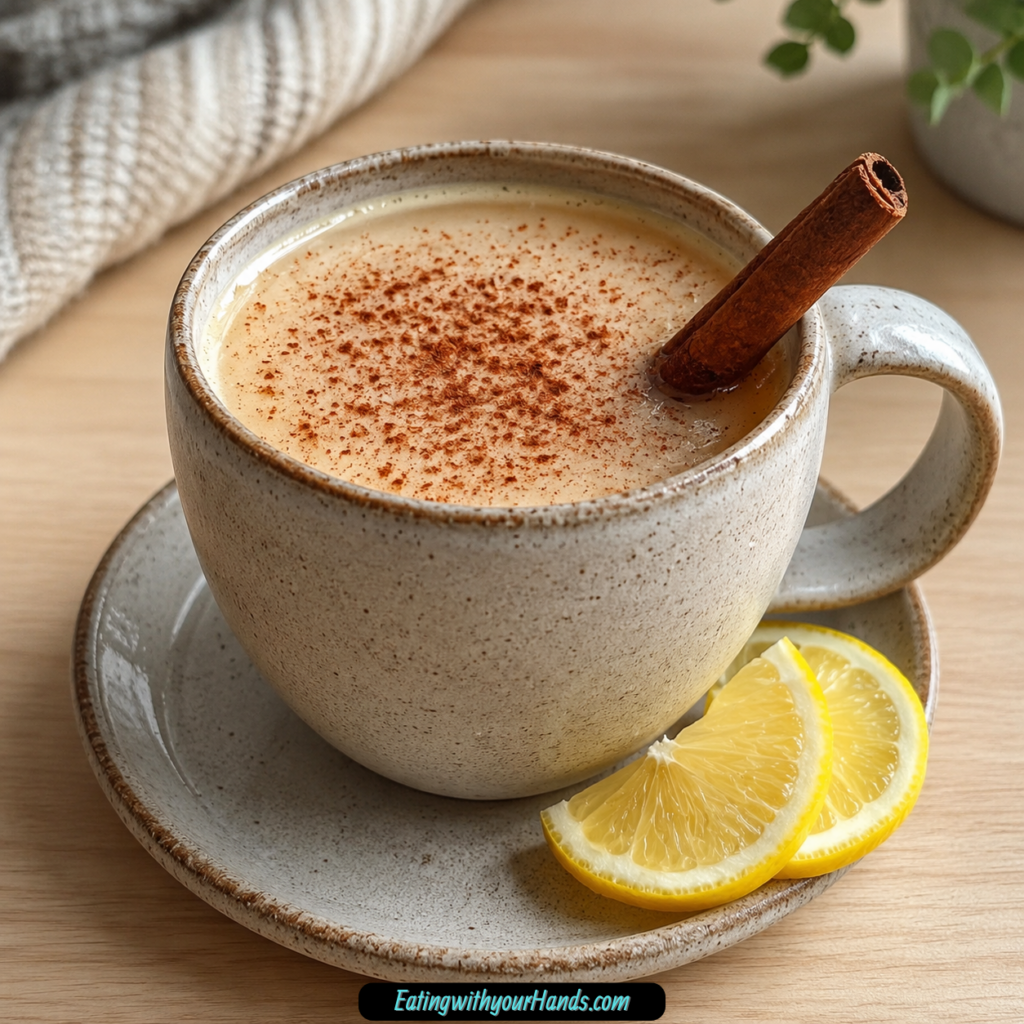
Serve Cinnamon Sore Throat Tea warm. It is meant to be sipped slowly while the cinnamon aroma rises from the cup.
This tea feels especially nice when you are curled up in a favorite chair. A cozy blanket makes the moment even better.
Pair it with a slice of toast for a simple comfort snack. The mild flavor of toast works well beside the warm cinnamon.
Ginger cookies are another lovely pairing. Their spice echoes the ginger and cinnamon in the tea.
Serve it on chilly evenings, quiet mornings, or any time you feel under the weather. It is a gentle drink for slowing down.
If serving children, adjust sweetness and ginger based on taste. The tea is customizable, so each cup can be made a little differently.
Storage
This tea is best enjoyed fresh. The flavor, warmth, and aroma are nicest right after steeping.
If you have leftovers, store them in the refrigerator for up to 24 hours. Keep the tea covered.
The flavor may change slightly after chilling. Stir before reheating if any cinnamon has settled.
Do not leave the tea sitting out for a long time. Refrigerate leftovers once cooled.
Reheating
Reheat leftover tea gently on the stove or in the microwave. Warm it until it is comfortable to sip.
If using the stove, heat over gentle warmth. If using the microwave, warm in short intervals.
Stir after reheating. This helps redistribute any cinnamon, sweetener, or lemon.
Avoid overheating the tea. It should be warm and soothing, not harshly hot.
Freezing
Freezing is not recommended for Cinnamon Sore Throat Tea. It may alter the flavor and texture.
This tea is quick to prepare, so making it fresh is the best option. A new cup takes only about 5 minutes.
If you need to save leftovers, refrigerate them for up to 24 hours instead. Reheat gently when ready.
Enjoying the tea fresh gives you the best taste and soothing warmth. That is the ideal way to serve it.
Make-Ahead
This tea is so quick that it usually does not need much make-ahead preparation. Still, you can keep the ingredients ready for busy or tired moments.
Keep cinnamon sticks, honey, lemon juice, and ginger available. That way, a warm cup is only a few minutes away.
If you make a cup and do not finish it, refrigerate it for up to 24 hours. Reheat gently before drinking.
Avoid freezing make-ahead portions. Fresh or refrigerated tea will taste better.
Helpful Notes for Best Results
Use a cinnamon stick for the clearest tea. Ground cinnamon works too, but it creates a more rustic texture.
Let the tea steep for 3–5 minutes. This gives the cinnamon and optional ginger time to flavor the water.
Adjust the honey based on your sweetness preference. You can also use maple syrup, agave syrup, stevia, or another sugar alternative.
Skip the ginger if you are not a fan. The tea is still delightful without it.
Use ground ginger if you do not have fresh ginger. A pinch is enough to bring warmth.
Stick with herbal ingredients and avoid caffeinated teas if you want a caffeine-free option. Chamomile or peppermint can be used as a base.
This recipe is naturally gluten-free. It can be a safe choice for those with gluten sensitivities.
Add turmeric if you want an earthy flavor and an anti-inflammatory boost. It can be used instead of ginger or as a small extra sprinkle.
Variations
Honey Lemon Cinnamon Tea
Use honey and lemon juice with the cinnamon tea base. This gives the drink sweetness and brightness.
The honey softens the cup, and the lemon adds a refreshing zing. It is one of the most comforting versions.
Ginger Cinnamon Tea
Add fresh ginger for extra warmth. Use 1 slice, or add more if you love ginger.
Ginger gives the tea a stronger, spicier character. It pairs well with honey and lemon.
Ground Cinnamon Tea
Use ½ teaspoon ground cinnamon instead of a cinnamon stick. This is convenient when cinnamon sticks are not available.
Leave the ground cinnamon in the cup for a rustic touch. Stir before drinking if it settles.
Maple Cinnamon Tea
Replace honey with maple syrup. This creates a vegan-friendly option.
Maple syrup adds its own warm sweetness. Adjust to taste.
Agave Cinnamon Tea
Use agave syrup instead of honey. This gives another sweetener option.
Add a little, stir, and taste. Increase only if needed.
Cayenne Cinnamon Tea
Add a pinch of cayenne pepper. This gives the tea a spicy kick and extra warmth.
Use carefully because cayenne is bold. A small pinch is enough.
Chamomile Cinnamon Tea
Use chamomile tea as a base. This gives the cinnamon tea a soft herbal note.
The result feels gentle and calming. Add honey, lemon, or ginger as desired.
Peppermint Cinnamon Tea
Use peppermint tea as a base. This gives the drink a fresh herbal flavor.
Peppermint and cinnamon create a bright, warming contrast. It is a nice change from the plain cinnamon version.
Vanilla Cinnamon Tea
Add a dash of vanilla extract. This creates a sweet, aromatic twist.
Vanilla makes the tea feel softer and more dessert-like. Use only a small amount.
Turmeric Cinnamon Tea
Use turmeric instead of ginger. It brings an earthy flavor and an anti-inflammatory boost.
The flavor is different from ginger. It makes the tea taste deeper and warmer.
Troubleshooting
Why Is My Tea Too Strong?
The cinnamon or ginger may have steeped too long. Remove the cinnamon stick and ginger slice once the flavor tastes right.
Next time, steep for closer to 3 minutes. You can always steep longer if needed.
Why Is My Tea Too Weak?
The tea may not have steeped long enough. Let it steep closer to 5 minutes.
Using a cinnamon stick gives a gentler flavor than ground cinnamon. If you want more intensity, use the full steeping time.
Why Is There Cinnamon at the Bottom?
Ground cinnamon does not dissolve completely. It may settle at the bottom of the cup.
This is normal. Stir before sipping or use a cinnamon stick next time for a clearer tea.
Why Is My Tea Too Sweet?
Too much honey or sweetener may have been added. Balance it with a little more hot water or lemon juice.
Add sweetener slowly next time. You can always add more after tasting.
Why Does My Ginger Taste Too Strong?
Fresh ginger can become bold if it steeps too long or if too much is added. Remove the ginger slice sooner.
If you prefer a milder cup, skip the ginger. The cinnamon tea will still be warm and comforting.
Frequently Asked Questions
Can I Freeze Cinnamon Sore Throat Tea?
Freezing is not recommended. It may alter the flavors and texture.
This tea is best enjoyed fresh. If you have leftovers, refrigerate them for up to 24 hours instead.
How Can I Substitute Honey?
Honey can be replaced with maple syrup, agave nectar, or a sugar alternative like stevia. Adjust based on your desired sweetness.
Add sweetener slowly and taste as you go. This helps keep the tea balanced.
What If I Don’t Have Fresh Ginger?
If you do not have fresh ginger, use ground ginger instead. Just a pinch will do.
Ground ginger still brings warmth to the tea. It will taste slightly different from fresh ginger.
Can I Make This Tea Caffeine-Free?
Yes, keep the tea based on cinnamon, boiling water, and herbal ingredients. Avoid caffeinated teas if you want it caffeine-free.
Chamomile or peppermint can be used as herbal bases. They keep the drink gentle and cozy.
Can I Use Ground Cinnamon?
Yes, use ½ teaspoon ground cinnamon instead of 1 cinnamon stick. It is convenient and easy.
You can leave it in the cup for a rustic touch. Stir before sipping because it may settle.
Can I Skip the Ginger?
Yes, ginger is optional. The tea will still be delightful without it.
Cinnamon, honey, and lemon can create a warm and soothing cup on their own. Adjust based on your taste.
Is This Tea Gluten-Free?
Yes, this recipe is naturally gluten-free. It is a safe choice for those with gluten sensitivities.
As always, use ingredients that fit your needs. Simple ingredients make this tea easy to manage.
Why This Recipe Works So Well
Cinnamon Sore Throat Tea works because it turns basic ingredients into a warm, comforting drink. The cinnamon gives the tea its cozy flavor, while boiling water extracts the spice and aroma.
Honey adds sweetness and a soothing feel. It rounds out the stronger edges of cinnamon and ginger.
Lemon juice gives the drink brightness. It makes the cup taste fresher and more lively.
Fresh ginger adds warmth and depth. It is optional, but it gives the tea a stronger cozy character.
The steeping time lets everything come together. In 3–5 minutes, the tea becomes fragrant, warm, and ready to sip.
The recipe also works because it is flexible. You can make it sweeter, spicier, brighter, caffeine-free, vegan-friendly, or more herbal depending on what you need.
Final Thoughts
Cinnamon Sore Throat Tea is a simple, warm drink that feels like comfort in a mug. It takes only 5 minutes and uses cinnamon, boiling water, and optional honey, lemon juice, and ginger to create something cozy and soothing.
I love how this tea can make a chilly evening feel softer. The cinnamon steeps, the honey melts, the lemon brightens the cup, and the ginger adds warmth if you choose to include it.
Serve it warm with toast, ginger cookies, a cozy blanket, or a quiet chair, and sip slowly while the aroma fills the room. Whether you make it for yourself or share it with family, this Cinnamon Sore Throat Tea brings warmth, comfort, and a little calm to the day.
Cinnamon Sore Throat Tea

This Cinnamon Sore Throat Tea is warm, soothing, and simple to make with cinnamon and boiling water, plus optional honey, lemon juice, and fresh ginger. It is a comforting beverage for chilly days, quiet evenings, or anytime you want a gently spiced cup of tea with a sweet and bright finish.
Recipe Details
- Prep Time: 5 minutes
- Total Time: 5 minutes
- Course: Beverage
- Cuisine: Various
- Servings: 1 cup
Equipment
- Teapot
- Cup
Ingredients
For the Tea
- 1 cup boiling water
- 1 stick cinnamon stick or ½ teaspoon ground cinnamon
Optional Ingredients
- 1 slice fresh ginger for anti-inflammatory benefits
- 1 teaspoon lemon juice for added vitamin C
- 1 tablespoon honey for sweetness and soothing properties
Instructions
Step 1: Prepare the Cinnamon
Place the cinnamon stick in a cup. If using ground cinnamon instead, add ½ teaspoon ground cinnamon to the cup.
Step 2: Add the Boiling Water
Boil the water and pour it over the cinnamon in the cup.
Step 3: Add Optional Ingredients
Add honey, lemon juice, and ginger if desired.
Step 4: Steep the Tea
Stir well and let the tea steep for a few minutes.
Step 5: Serve Warm
Serve the tea warm in 1 cup.
Notes
You can adjust the sweetness and acidity by varying the amounts of honey and lemon juice.
Serving Suggestions
- Serve warm when you want a simple cinnamon beverage.
- Enjoy in the morning, afternoon, or evening as a cozy drink.
- Add honey if you prefer a sweeter cup.
- Add lemon juice if you like a brighter, more tangy flavor.
- Add fresh ginger if you want a warmer, spicier finish.
Storage
How to Store
This tea is best enjoyed fresh right after steeping.
Best Texture Tip
Stir well before drinking, especially if using ground cinnamon, so the flavor is evenly distributed.
Serving Tip
Let the tea steep for a few minutes before serving so the cinnamon, honey, lemon juice, and ginger have time to blend into the hot water.

Fernando is the creator and writer behind the food blog Eating with your Hands. Living and working in cities like Paris, Barcelona, and Berlin, and being married to a Canadian foodie, has given Fernando a passion and interest in food and inspired him to run EWYH.