
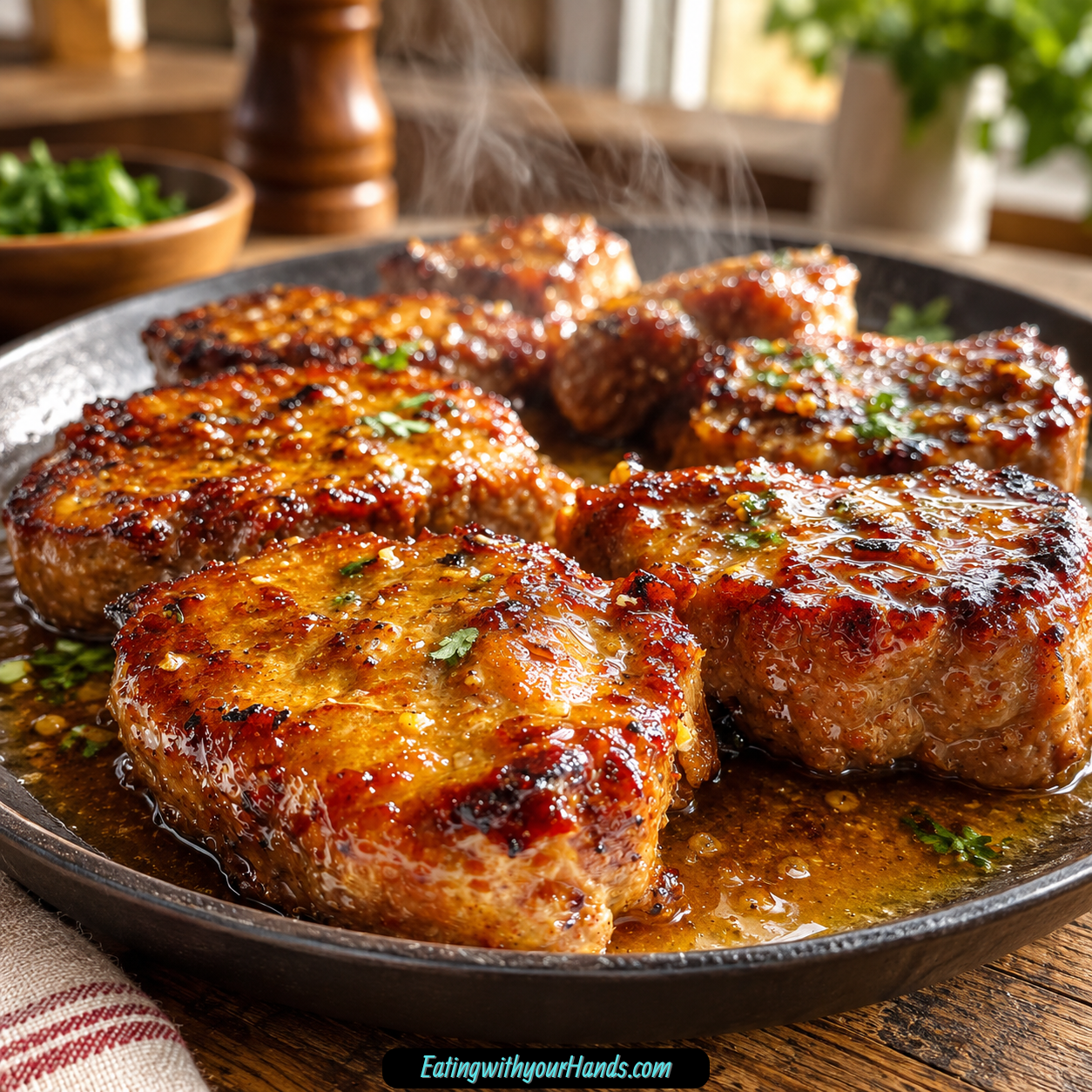
There is something about bringing a skillet of sizzling steak to the table that immediately makes dinner feel like more of an occasion. During the holidays, when I want that satisfying, celebratory feeling without spending the entire evening tied to the stove, Cowboy Christmas Steak is one of the recipes I reach for first.
The dish has everything I want from straightforward comfort food. Beef cube steaks develop a deeply golden seasoned coating in a hot skillet, then return to that same pan with savory beef broth for a short, gentle simmer.
The result feels much more leisurely than the cooking process actually is. The beef becomes tender, the browned bits from the skillet work their way into the broth, and every serving arrives with the kind of savory pan juices that practically demand mashed potatoes or crusty bread.
I first made Cowboy Christmas Steak years ago when I wanted dinner to feel special but had no interest in wrestling with a complicated holiday recipe. I needed something hearty and generous, yet realistic enough for a busy evening when there were plenty of other things competing for my attention.
The name eventually stuck because the dish has a rugged simplicity about it. My husband described it as hearty enough for a ranch hand but fancy enough for Christmas dinner, and that somehow captured the feeling perfectly.
It has a crisp flour coating instead of an elaborate sauce, beef broth instead of a long list of ingredients, and the same skillet handles both the browning and the final simmer. Nothing about the method is fussy, but the finished steak still feels substantial enough to put in the center of a holiday plate.
That balance is the reason I continue making it. Cowboy Christmas Steak can rescue an ordinary Tuesday just as easily as it can anchor a Christmas dinner when I would rather spend my time with family than monitoring a complicated main course.
Table of Contents
- Why Cowboy Christmas Steak Is Such a Useful Holiday Dinner
- The Story Behind the “Cowboy” Name
- Ingredients for Cowboy Christmas Steak
- Building the Seasoned Coating
- Why Cube Steak Works So Well Here
- How to Make Cowboy Christmas Steak
- Step 1: Let the Steaks Sit at Room Temperature
- Step 2: Mix the Seasoned Flour
- Step 3: Dredge the First Side of Each Steak
- Step 4: Coat the Second Side
- Step 5: Heat the Olive Oil
- Step 6: Add the Steaks Without Crowding
- Step 7: Leave the First Side Alone
- Step 8: Flip and Brown the Second Side
- Step 9: Repeat in Batches if Necessary
- Step 10: Pour in the Beef Broth
- Step 11: Add Worcestershire Sauce if Desired
- Step 12: Return the Steaks to the Skillet
- Step 13: Reduce the Heat and Cover
- Step 14: Simmer for 10 Minutes
- Step 15: Remove the Steaks and Rest for 2 Minutes
- Step 16: Spoon the Pan Juices Over the Steak
- Tips for the Best Cowboy Christmas Steak
- Making the Dish Less Salty
- Using Round Steak Instead of Cube Steak
- Gluten-Free Cowboy Christmas Steak
- Oil Substitutions
- Making Cowboy Christmas Steak Spicier
- What to Serve With Cowboy Christmas Steak
- Why the One-Skillet Method Matters
- Making Cowboy Christmas Steak Ahead
- How to Store Cowboy Christmas Steak
- How to Reheat Cowboy Christmas Steak
- Cowboy Christmas Steak FAQs
- Can I use round steak instead of cube steak?
- How spicy is Cowboy Christmas Steak?
- Can I make Cowboy Christmas Steak ahead for a party?
- Why is it called Cowboy Christmas Steak?
- Can I use unsalted seasoning alternatives?
- What can I use instead of olive oil?
- Can I add more flavor to the broth?
- Why should the steak rest after cooking?
- Cowboy Christmas Steak Nutritional Information
- A Holiday Steak Without the Holiday Stress
- Irresistible Cowboy Christmas Steak Recipe in 30 Minutes
Why Cowboy Christmas Steak Is Such a Useful Holiday Dinner
The speed is one of the biggest advantages. The recipe is designed to come together quickly, with only a few minutes of searing on each side followed by a 10-minute simmer in broth.
There is no long marinade and no hours-long braise. Even though the steak finishes in a savory pan sauce, the method stays practical enough for a weeknight.
The texture is another reason the dish works. Cube steak is coated in seasoned flour and fried until the surface develops a deep golden crust.
Once that crust is in place, the steak is removed briefly while the skillet is deglazed with beef broth. The steaks then go back into the same pan so they can finish cooking gently in the flavorful liquid.
That creates a satisfying contrast. The exterior begins with a crisp seared coating, while the covered simmer helps the beef become tender.
The one-pan method also means the browned bits left behind after frying never go to waste. Scraping them into the broth pulls their concentrated flavor back into the meal instead of leaving it stuck to the skillet.
And from a holiday-hosting perspective, fewer pans are always welcome. One skillet carries the meal from the first sizzle to the final simmer.
The Story Behind the “Cowboy” Name
The name was never meant to suggest a complicated Western theme or a long list of rustic ingredients. It came from the personality of the meal itself.
The crust is sturdy and savory, the beef is filling, and the broth makes the whole skillet feel like dependable comfort food. At the same time, the golden steak and rich pan juices look special enough to serve when the dinner table is dressed for Christmas.
That combination of rugged and celebratory is exactly what my husband noticed. His description of the dish as hearty enough for a ranch hand but fancy enough for Christmas dinner ended up becoming the best explanation for why “Cowboy” suited it.
I like that the name does not take the meal too seriously. This is food meant to make people hungry the moment they smell it cooking, not a dish that requires a formal presentation to feel worthwhile.
Ingredients for Cowboy Christmas Steak
The ingredient list is short, which makes the quality of each step especially important.
- 1 cup all-purpose flour
- 1 teaspoon cracked black pepper, plus extra for garnish
- 1 teaspoon seasoned salt
- ¼ teaspoon garlic powder, optional
- 1 pound beef cube steaks, about 4 steaks
- ½ cup olive oil
- 2 cups beef broth
The flour creates the coating that browns in the skillet. It also carries the black pepper, seasoned salt, and optional garlic powder directly onto the meat.
The 1 pound of cube steak is described as about 4 steaks. Look for nicely marbled pieces when choosing the beef.
Olive oil provides the hot cooking medium needed to develop that golden crust. The beef broth comes in after browning and transforms the flavorful residue in the pan into the savory liquid used for the final simmer.
Building the Seasoned Coating
The crust starts with 1 cup all-purpose flour. To that, add 1 teaspoon cracked black pepper, 1 teaspoon seasoned salt, and the optional ¼ teaspoon garlic powder.
Freshly cracked black pepper is preferred because its flavor is more noticeable in such a simple seasoning blend. Additional pepper can also be used later as a garnish.
Seasoned salt provides most of the savory seasoning in the coating. If sodium is a concern, one variation uses low-sodium broth and halves the amount of seasoned salt.
Garlic powder is optional, although it is a favorite addition. The small amount adds another background savory note without changing the basic character of the dish.
Why Cube Steak Works So Well Here
Cube steak is already suited to a quick skillet meal because of its tenderized texture. The recipe uses about 1 pound, or roughly 4 steaks.
The meat is coated firmly in seasoned flour before cooking. Pressing the coating onto both sides helps create the browned surface that gives the dish so much of its appeal.
Any excess flour should be shaken away before the steak reaches the skillet. Too much loose flour can create a heavy, doughy coating rather than the crisp crust you want.
The cooking itself happens quickly. A few minutes per side is enough to brown the surface before the meat moves into the broth for the final covered simmer.
How to Make Cowboy Christmas Steak
The method can be divided into a few simple stages: prepare the steak, dredge it, sear it, deglaze the skillet, simmer the meat in broth, and let it rest briefly before serving.
Step 1: Let the Steaks Sit at Room Temperature
Take the beef cube steaks out and let them sit at room temperature for about 10 minutes before cooking. This is one of the simple tips that helps the steaks brown more evenly.
You are not trying to leave the meat sitting for an extended period. The short 10-minute rest is simply part of the preparation before dredging and searing.
While the steaks sit, you can mix the flour coating and prepare the skillet. That keeps the process moving without adding unnecessary downtime.
Step 2: Mix the Seasoned Flour
In a shallow dish, combine 1 cup all-purpose flour, 1 teaspoon cracked black pepper, 1 teaspoon seasoned salt, and ¼ teaspoon garlic powder if using.
Whisk the ingredients together until the seasonings are distributed throughout the flour. You want the coating to taste consistent from steak to steak.
A shallow dish makes dredging easier because the cube steaks can lie flat against the flour mixture. Make sure the dish is wide enough to press each piece down without folding it.
Step 3: Dredge the First Side of Each Steak
Lay a cube steak into the flour mixture and press it gently but firmly into the coating. The flour should make contact across the entire surface.
Lift the steak and check for any bare areas. If necessary, press those spots back into the flour.
The goal is an even layer rather than a thick blanket. Too much coating can turn heavy in the oil.
Step 4: Coat the Second Side
Turn the steak over and repeat the process on the opposite side. Press enough to help the seasoned flour adhere to the textured surface.
Once both sides are covered, lift the steak and give it a gentle shake. This removes loose excess flour that would otherwise fall into the oil.
Repeat with the remaining cube steaks. Keep the coated pieces ready near the stove so you can begin cooking as soon as the oil is hot.
Step 5: Heat the Olive Oil
Pour ½ cup olive oil into a large skillet. Cast iron is one preferred option for this recipe.
Heat the oil over medium-high until it begins to shimmer. The oil needs to be properly hot before the steaks go in so the coating starts searing immediately.
A small crumb of the flour mixture can be used as a test. If it sizzles on contact, the skillet is ready.
Step 6: Add the Steaks Without Crowding
Place the coated cube steaks into the hot skillet. Give each piece enough room to make full contact with the pan.
Do not crowd the skillet. If all the steaks cannot fit comfortably at once, cook them in batches.
Crowding reduces the room around each steak and works against the strong sear you want. A little patience at this stage gives the crust a much better chance to develop.
Step 7: Leave the First Side Alone
Once the steaks hit the pan, resist the urge to slide or flip them immediately. Let the first side stay in contact with the hot oil.
This undisturbed cooking time allows the flour coating to brown and helps reduce sticking. Moving the steak constantly can interrupt the formation of that crust.
Cook the first side for about 3–4 minutes. Listen for the steady sizzle and watch the visible edges begin deepening in color.
Step 8: Flip and Brown the Second Side
Turn each steak and cook the second side for another 3–4 minutes. Again, leave the steak mostly undisturbed while the crust develops.
You are looking for a deeply browned, golden exterior rather than a pale flour coating. That color will later contribute flavor to both the meat and the broth.
Once both sides are browned, transfer the steaks out of the skillet temporarily. Keep the pan on the stove because all those browned bits left behind are about to become part of the sauce.
Step 9: Repeat in Batches if Necessary
If you could not fit all the steaks in the skillet at once, continue with the remaining pieces. Make sure the oil remains hot enough to create a proper sizzle.
Avoid squeezing extra steaks into a crowded pan simply to save a few minutes. The browned crust is one of the defining features of the dish.
When all the steaks are browned, remove them from the skillet and keep them nearby. Do not clean the pan.
Step 10: Pour in the Beef Broth
Add 2 cups beef broth to the skillet. The liquid will hit the hot pan and immediately begin loosening the browned residue left from the steak.
Use a wooden spoon to scrape across the bottom. Work those flavorful browned bits into the broth instead of leaving them attached to the skillet.
This is what turns a simple store-bought or homemade broth into the pan sauce for the steak. Everything built during the searing stage now becomes part of the final flavor.
Step 11: Add Worcestershire Sauce if Desired
For an additional savory boost, stir 1 tablespoon Worcestershire sauce into the broth. This is an optional variation rather than a required part of the main ingredient list.
Mix it through the hot broth after deglazing. There is no need to change any of the other seasoning amounts automatically when you use it.
If you prefer the straightforward beef-broth version, simply leave it out. The browned skillet bits already contribute plenty of flavor.
Step 12: Return the Steaks to the Skillet
Place the browned cube steaks back into the skillet with the broth. Arrange them so each steak has contact with the liquid.
Any juices that collected while the steaks rested outside the pan can remain part of the dish. The meat is now ready for the gentler cooking phase.
This is where the recipe changes from frying to simmering. The crust has already formed, and the next stage is about tenderness.
Step 13: Reduce the Heat and Cover
Turn the heat down to low. Cover the skillet.
The covered environment traps heat and steam around the steaks while they sit in the savory broth. This gives the meat time to become more tender without requiring a long braise.
Keep the heat low rather than returning to the aggressive temperature used for searing. The steaks have already developed their color.
Step 14: Simmer for 10 Minutes
Let the steaks simmer in the covered skillet for 10 minutes. During this stage, the broth continues picking up flavor from both the beef and the coating.
Avoid repeatedly removing the lid. The covered environment is part of the way the steak finishes cooking.
After the 10 minutes are complete, the dish is nearly ready to serve. The final step is a very short rest.
Step 15: Remove the Steaks and Rest for 2 Minutes
Take the skillet off the cooking heat and let the steaks rest for 2 minutes before serving.
That brief pause gives the juices inside the meat time to settle. Cutting or serving immediately can allow more of those juices to escape onto the plate.
Two minutes is not a long wait, especially after such a fast cooking process. It is worth keeping this step rather than rushing the steaks directly to the table.
Step 16: Spoon the Pan Juices Over the Steak
Plate the steaks and spoon the savory broth and pan juices over the top. Add extra cracked black pepper as a garnish if desired.
The liquid is especially good when it has carried the browned skillet flavor all the way through the simmer. It gives the dish the gravy-like finish described throughout the recipe.
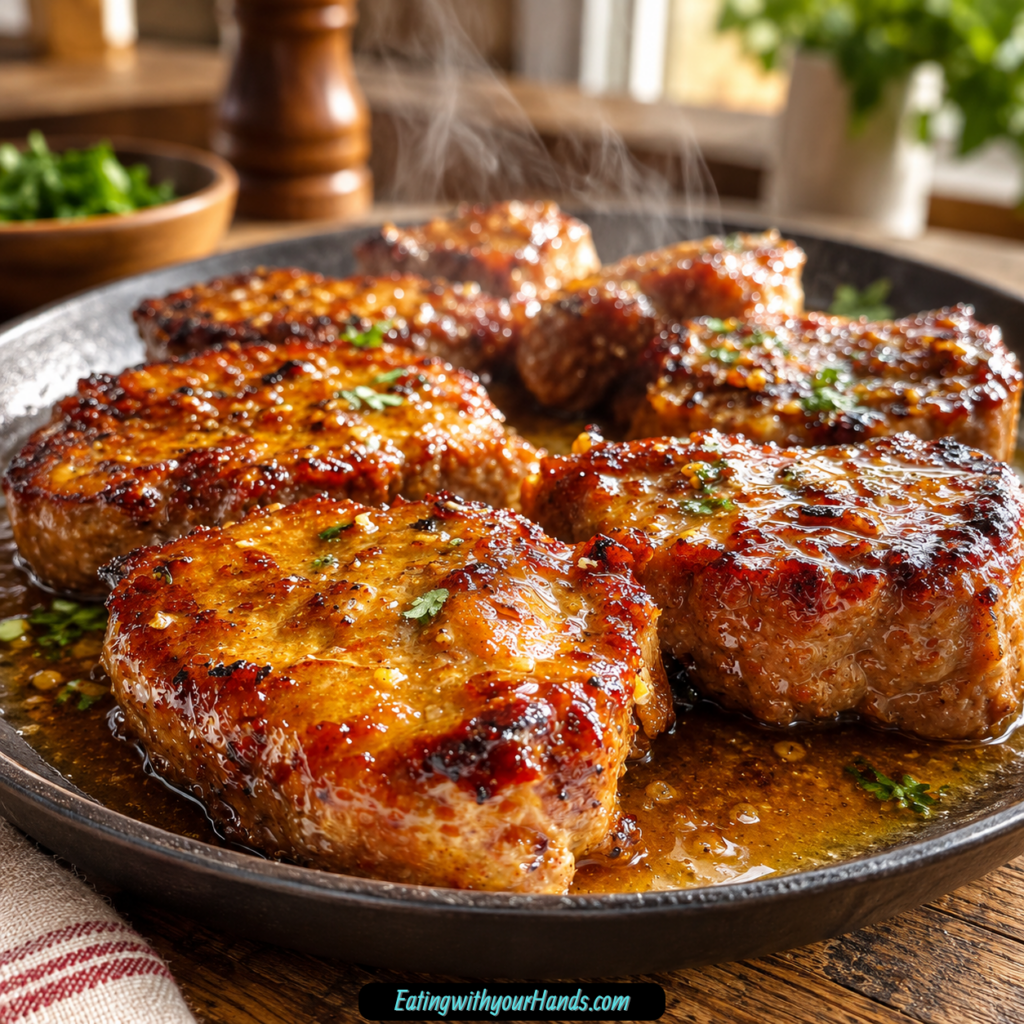
Serve while everything is warm. This is when the contrast between the browned exterior and tender beef is at its best.
Tips for the Best Cowboy Christmas Steak
The recipe is forgiving, but a few simple habits make the difference between merely cooked cube steak and a meal with a really satisfying crust and tender finish.
Give the Steak Its 10-Minute Rest Before Cooking
Allowing the cube steaks to sit at room temperature for 10 minutes before dredging helps them brown more evenly.
Use those minutes to prepare the flour mixture and skillet. The extra time does not need to slow down dinner when the rest of the preparation happens alongside it.
Do Not Move the Steaks Too Soon
Once the floured beef reaches the hot skillet, let it stay where it is. The crust needs uninterrupted contact with the cooking surface.
Moving it constantly can encourage sticking and interfere with browning. Wait until the first side has had its 3–4 minutes before flipping.
Keep Some Texture in the Crust
Shake away excess flour before frying. You want a well-coated steak, not a thick layer of dry flour.
The skillet should also be hot enough that the coating begins frying immediately. That quick sizzle is part of what develops the golden exterior.
Use Worcestershire Sauce for More Savory Flavor
Add 1 tablespoon Worcestershire sauce to the beef broth if you want an extra layer of savory depth.
It is completely optional. The standard recipe remains built around beef broth and the browned pan drippings.
Do Not Skip the Final Rest
Once cooking is finished, give the steaks 2 minutes before serving. The temptation to plate them immediately is understandable, especially when they smell good.
That tiny pause helps the juices settle into the meat rather than running out as soon as the steak is cut. For such a short recipe, it is an easy detail to preserve.
Making the Dish Less Salty
For a lower-sodium variation, use low-sodium beef broth. Then reduce the seasoned salt by half.
Do not automatically remove all of the seasoning because the flour coating still needs flavor. The suggested adjustment is specifically to halve the seasoned salt.
Black pepper and optional garlic powder can remain part of the coating. The resulting dish keeps the same method while reducing some of the sodium.
Using Round Steak Instead of Cube Steak
Thin-cut round steak can replace cube steak. Before using it, pound the meat until it reaches ¼-inch thickness.
The tenderizing step is important because round steak does not begin with the same texture as cube steak. Once pounded, it can follow the same flour-coating and skillet method.
The FAQ specifies that the cooking time stays the same. Brown the steaks as directed and finish them with the same 10-minute covered simmer.
Gluten-Free Cowboy Christmas Steak
The flour can be replaced 1:1 with a favorite gluten-free blend.
Almond flour is another specifically suggested option when you want additional richness. Use the substitution for the coating while keeping the general dredging and cooking process the same.
No other timing changes are specified. Continue watching the steaks for that deeply browned exterior before moving into the broth.
Oil Substitutions
Olive oil is the standard cooking oil and the recipe uses ½ cup.
If olive oil is unavailable, avocado oil or vegetable oil can be used instead. Both are suggested as alternatives for searing.
Keep the focus on getting the pan hot enough for the coating to brown. The cooking stages stay the same regardless of which of those oils you choose.
Making Cowboy Christmas Steak Spicier
The standard dish is not spicy. Cracked black pepper gives warmth and savory flavor but is not intended to create noticeable chile heat.
For a hotter variation, add a pinch of cayenne to the flour mixture.
No fixed measurement beyond a pinch is provided. Keep it optional and adjust only according to preference.
What to Serve With Cowboy Christmas Steak
The pan juices make mashed potatoes one of the most natural sides. A spoonful of steak and broth over creamy potatoes turns the meal into classic comfort food.
Roasted carrots and Brussels sprouts add a more festive element. Their color also helps round out a Christmas dinner plate built around the golden-brown steaks.
Thick slices of crusty bread are another useful option. They give you something to use for soaking up every bit of broth left behind on the plate.
For something lighter, add a simple green salad. The fresh greens can brighten the meal beside the richer steak and pan juices.
The steak works with one side or several. For a casual weeknight, mashed potatoes may be enough; for Christmas dinner, the vegetables, salad, and bread can turn it into a fuller holiday spread.
Why the One-Skillet Method Matters
A second pan is unnecessary because the same skillet that browns the steak also holds the broth.
That is not simply a cleanup shortcut. The browned residue left behind after frying is one of the most flavorful parts of the dish.
When beef broth hits the hot skillet, those pieces loosen from the bottom. Scraping them up with a wooden spoon distributes their concentrated flavor through the liquid.
Cleaning or changing pans after searing would leave that behind. Keeping everything in one skillet makes both practical and flavor sense.
Making Cowboy Christmas Steak Ahead
For a party, the recipe can be partially prepared in advance. Cook the steaks through the browning stage, which is step 4 in the shorter preparation sequence.
Once browned, refrigerate the steaks. The recipe does not give a specific advance-storage duration for this method, so keep the preparation within the timing appropriate for your event rather than assigning an additional storage period.
When you are ready to finish the meal, warm the steaks in the broth. The resting time is described as giving them even more flavor.
This approach separates the messier frying stage from the final service. It can be useful when you want the skillet mostly finished before guests are ready to eat.
How to Store Cowboy Christmas Steak
Let leftover steaks cool before transferring them to an airtight container. Keep the meat together with its gravy or pan juices rather than storing it dry.
Refrigerate for up to 3 days.
Keeping the liquid with the steak helps protect its texture during storage. It also gives you something to work with when reheating.
Do not discard the broth after serving if you intend to save leftovers. It is part of what makes the reheated steak taste closer to the freshly prepared meal.
How to Reheat Cowboy Christmas Steak
Place the leftover steak and gravy in a skillet. Add a splash of extra beef broth to help keep the meat juicy.
Warm gently over medium-low heat for about 5 minutes, or until heated through.
The lower heat is important because the goal is reheating rather than frying the steak a second time. The broth provides moisture while the meat warms.
No exact amount is given for the additional broth. Add only enough to support gentle reheating and restore moisture to the skillet.
Cowboy Christmas Steak FAQs
Can I use round steak instead of cube steak?
Yes. Thin-cut round steak is an approved substitute.
Pound it to ¼-inch thickness before coating it with flour. That tenderizing step helps prepare it for the same fast cooking method.
The cooking time remains the same. Brown each side as directed, then finish with the covered broth simmer.
How spicy is Cowboy Christmas Steak?
The standard recipe is not spicy. Cracked black pepper adds warmth without giving the dish strong heat.
If you want more kick, add a pinch of cayenne to the flour mixture. Keep it optional so the basic dish remains family-friendly.
Can I make Cowboy Christmas Steak ahead for a party?
Yes. Brown the steaks through the initial frying stage, then refrigerate them.
When it is time to finish the meal, warm the steaks in the broth. This make-ahead approach is also described as allowing the flavor to become even better after sitting.
No specific advance refrigeration time is supplied for this party-prep method. Plan it around the timing of your gathering.
Why is it called Cowboy Christmas Steak?
The name came from the character of the meal. It is hearty and rugged enough to feel like satisfying ranch-style comfort food, while the browned crust and rich pan juices still make it special enough for Christmas dinner.
My husband summed it up as hearty enough for a ranch hand but fancy enough for the holidays. That description stuck.
Can I use unsalted seasoning alternatives?
The specific lower-sodium variation is to use low-sodium beef broth and halve the seasoned salt.
No other salt-free seasoning formula is provided. Keep the remaining recipe as written rather than inventing a new blend.
What can I use instead of olive oil?
Avocado oil or vegetable oil can replace the olive oil. Both are suggested as workable searing oils.
Use the same overall cooking approach. Heat the oil until it is ready for the steaks, then brown each side for 3–4 minutes.
Can I add more flavor to the broth?
Yes. Stir 1 tablespoon Worcestershire sauce into the broth.
That optional addition gives the liquid extra savory depth. It works alongside the browned pan bits rather than replacing them.
Why should the steak rest after cooking?
The 2-minute rest gives the juices inside the steak time to settle after the covered simmer.
Serving instantly can allow more liquid to run out when the meat is cut. The short pause keeps more of that juiciness with the steak.
Cowboy Christmas Steak Nutritional Information
The nutritional values are estimates and can vary depending on the exact ingredients, broth, and amount of oil used.
One hearty serving, described as approximately 1 steak with gravy, contains:
- Calories: about 380
- Fat: 22g
- Saturated fat: 5g
- Protein: 32g
Using different ingredients, including low-sodium broth or a different amount of cooking oil, can change the final numbers.
A Holiday Steak Without the Holiday Stress
Some holiday dinners become memorable because they involve hours of cooking and a table filled with elaborate dishes. Others earn their place because they make a special meal possible without asking you to give up the entire day to the kitchen.
Cowboy Christmas Steak has always belonged to that second group for me. I originally needed something that felt worthy of a special dinner while still being realistic enough to prepare without fuss, and this simple skillet meal ended up solving that problem beautifully.
I love the moment the floured steaks hit the hot oil and begin to sizzle. That sound promises the golden crust to come, and a few minutes later the bottom of the skillet is covered with the browned pieces that will become the foundation for the broth.
Then the character of the dish changes. The heat comes down, the broth goes in, and those crisp pieces of steak get a short, covered simmer that turns everything into a much more comforting meal.
Nothing about it requires a complicated finishing sauce or hours of waiting. The crust, beef broth, pan drippings, pepper, seasoned salt, and optional garlic are enough to create the savory character I want.
I also like that it does not demand an elaborate set of sides. Mashed potatoes and those pan juices can make the plate feel complete, while roasted carrots, Brussels sprouts, bread, or a green salad can build it into a bigger Christmas spread.
Most of all, this is a recipe that lets dinner feel like part of the celebration instead of the thing keeping me away from it. I can get the steaks browned, let them finish in the broth, give them their 2-minute rest, and bring something warm and satisfying to the table without losing the entire evening.
That was what I wanted the first time I made it years ago, and it is still what makes Cowboy Christmas Steak valuable to me now. It has the hearty comfort of a meal that feels rugged and familiar, but just enough golden crust and savory richness to earn its place at Christmas dinner.
Irresistible Cowboy Christmas Steak Recipe in 30 Minutes
Golden, savory, and full of hearty comfort-food flavor, this Irresistible Cowboy Christmas Steak Recipe coats tender beef cube steaks in seasoned flour before pan-frying them and finishing them in a rich beef broth. Ready in 30 minutes, it makes a satisfying American main course for a festive dinner or an easy family meal.
Recipe Details
- Prep Time: 10 minutes
- Cook Time: 20 minutes
- Total Time: 30 minutes
- Course: Main Course
- Cuisine: American
- Servings: 4 servings
- Calories: 380 kcal
Ingredients
For the Seasoned Coating
- ¼ teaspoon garlic powder optional
- 1 teaspoon seasoned salt
- 1 teaspoon cracked black pepper plus more to taste for garnish
- 1 cup all-purpose flour
For the Steak
- ½ cup olive oil
- 1 pound beef cube steaks
For the Pan Sauce
- 2 cups beef broth
Instructions
Step 1: Prepare the Seasoned Flour
In a shallow dish, combine the all-purpose flour, cracked black pepper, seasoned salt, and garlic powder if using.
Mix until the seasonings are evenly distributed throughout the flour.
Step 2: Coat the Cube Steaks
Place each beef cube steak into the seasoned flour mixture.
Coat both sides evenly, making sure the surface of each steak is covered before cooking.
Step 3: Heat the Oil
Pour the olive oil into a skillet and place it over medium-high heat.
Allow the oil to heat before adding the coated steaks.
Step 4: Brown the Steaks
Add the cube steaks to the hot skillet.
Fry for 3–4 minutes per side, until the outside becomes golden brown.
Step 5: Remove the Steaks
Transfer the browned steaks from the skillet and set them aside temporarily.
Keep the browned bits in the skillet because they will add flavor to the broth.
Step 6: Deglaze with Beef Broth
Pour the beef broth into the skillet.
Scrape up the browned bits from the bottom as the broth heats, incorporating them into the liquid.
Step 7: Simmer the Steaks
Return the steaks to the skillet.
Reduce the heat and simmer for 10 minutes, allowing the beef to finish cooking in the broth.
Step 8: Rest and Serve
Remove the steaks from the heat and let them rest for a few minutes before serving, as noted.
Serve hot and garnish with additional cracked black pepper to taste if desired.
Notes
- For extra flavor, add a splash of Worcestershire sauce to the broth.
- Let the steaks rest for a few minutes before serving.
Serving Suggestions
Serve Irresistible Cowboy Christmas Steak Recipe hot after allowing the steaks to rest for a few minutes. The seasoned flour coating creates a golden exterior, while the beef broth and browned skillet bits add savory flavor as the steaks finish simmering.
This recipe makes 4 servings and works well as a hearty main course for a festive dinner or casual family meal.
For extra flavor, add a splash of Worcestershire sauce to the beef broth as noted. Finish each serving with additional cracked black pepper if desired.
Storage
How to Store
The recipe does not provide a specific storage method or storage duration, so no exact storage time is added here.
Flour Tip
Use 1 cup all-purpose flour and season it with cracked black pepper, seasoned salt, and optional garlic powder before coating the steaks.
Steak Tip
Use 1 pound beef cube steaks. Coat each piece evenly in the seasoned flour before frying.
Oil Tip
Use ½ cup olive oil and heat it over medium-high heat before adding the steaks.
Browning Tip
Fry the steaks for 3–4 minutes per side, until golden brown.
Broth Tip
Use 2 cups beef broth to deglaze the skillet after removing the steaks.
Scrape up the browned bits before returning the beef to the pan.
Worcestershire Tip
For extra flavor, add a splash of Worcestershire sauce to the broth if desired. No exact amount is provided.
Simmering Tip
Reduce the heat after returning the steaks to the skillet and simmer for 10 minutes.
Resting Tip
Let the steaks rest for a few minutes before serving, then garnish with extra black pepper to taste if desired.

Fernando is the creator and writer behind the food blog Eating with your Hands. Living and working in cities like Paris, Barcelona, and Berlin, and being married to a Canadian foodie, has given Fernando a passion and interest in food and inspired him to run EWYH.