
There is something deeply comforting about the smell of bread baking at home. Before the first slice is cut and before anyone reaches for the olive oil, the aroma alone has a way of pulling people toward the kitchen.
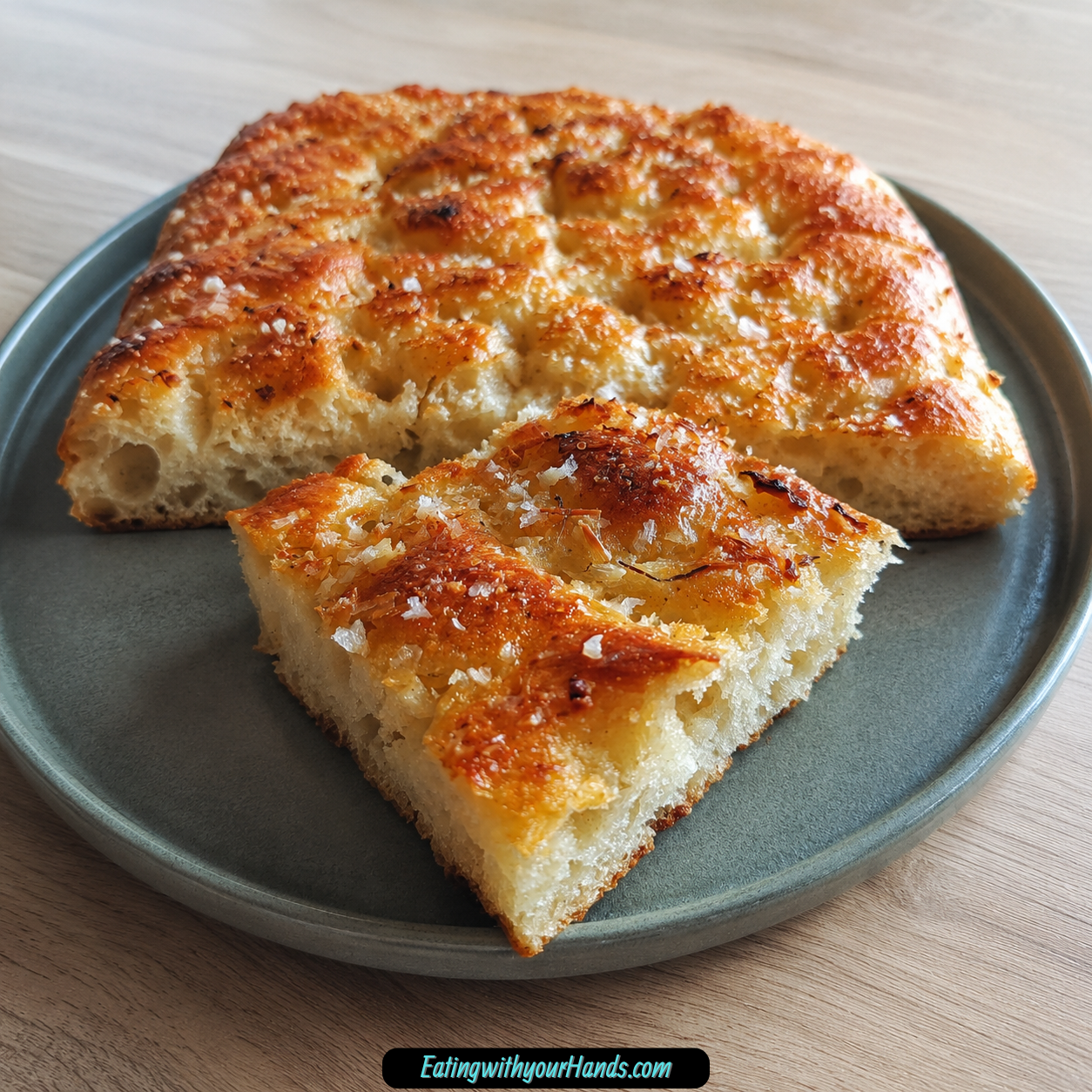
Garlic Parmesan Focaccia Bread is one of those recipes that feels warm before it even reaches the table. The dough bakes into a soft, airy bread with a golden top, a tender middle, and a savory finish from fresh garlic, olive oil, Parmesan cheese, flaky sea salt, and optional herbs.
It is simple, rustic, and generous. It is the kind of bread you can serve beside soup, salad, pasta, roasted meats, or a cozy family dinner, but it is also delicious enough to enjoy on its own while still warm from the oven.
What makes this focaccia special is the combination of softness and flavor. The bread itself is pillowy, while the garlic and Parmesan topping gives it a rich, savory aroma that makes every piece feel like comfort food.
Table of Contents
- What Is Garlic Parmesan Focaccia Bread?
- Why This Recipe Feels So Comforting
- Recipe Overview
- Why You’ll Love Garlic Parmesan Focaccia Bread
- Ingredients You’ll Need
- Ingredient Notes
- Directions
- Step 1: Gather the Ingredients
- Step 2: Check the Yeast
- Step 3: Warm the Water
- Step 4: Combine Water, Sugar, and Yeast
- Step 5: Wait Until Frothy
- Step 6: Add the Flour
- Step 7: Add the Salt
- Step 8: Add the Olive Oil
- Step 9: Mix Until a Dough Forms
- Step 10: Prepare the Kneading Surface
- Step 11: Knead the Dough
- Step 12: Check the Dough Texture
- Step 13: Grease the Rising Bowl
- Step 14: Cover the Dough
- Step 15: Let the Dough Rise
- Step 16: Create a Warm Rising Place if Needed
- Step 17: Prepare the Garlic
- Step 18: Grate the Parmesan
- Step 19: Prepare the Herbs
- Step 20: Preheat the Oven
- Step 21: Grease the Baking Sheet
- Step 22: Transfer the Dough
- Step 23: Shape the Dough
- Step 24: Dimple the Dough
- Step 25: Drizzle With Olive Oil
- Step 26: Add the Minced Garlic
- Step 27: Add the Parmesan Cheese
- Step 28: Add Flaky Sea Salt
- Step 29: Add Optional Herbs
- Step 30: Bake the Focaccia
- Step 31: Use the Lower Rack for a Crispier Bottom
- Step 32: Cool Briefly After Baking
- Step 33: Add Final Garnish
- Step 34: Slice and Serve
- Pro Tips for the Best Garlic Parmesan Focaccia Bread
- Variations
- Serving Suggestions
- Storage Tips
- Freezing Instructions
- Make-Ahead Instructions
- Common Mistakes to Avoid
- Helpful Notes
- Frequently Asked Questions
- Final Thoughts
- Garlic Parmesan Focaccia Bread
What Is Garlic Parmesan Focaccia Bread?
Garlic Parmesan Focaccia Bread is a soft Italian-style bread made with flour, yeast, warm water, sugar, salt, and olive oil. After the dough rises, it is spread onto a greased baking sheet, topped with minced garlic, freshly grated Parmesan cheese, olive oil, flaky sea salt, and optional herbs, then baked until golden.
The texture is soft and airy inside, with a lightly crisp top and bottom. The olive oil helps give the bread richness, while the garlic and Parmesan create a savory topping that makes the whole kitchen smell inviting.
This bread is perfect for dipping, serving alongside meals, or tearing into warm pieces and enjoying as a snack. It feels homemade in the best way: unfussy, flavorful, and made for sharing.
Although yeast bread can sometimes feel intimidating, this recipe is beginner-friendly. The dough is simple to mix, knead, rise, shape, and bake.
Why This Recipe Feels So Comforting
Homemade bread has a way of slowing down the room. When focaccia is baking, the scent of yeast, olive oil, garlic, and cheese fills the kitchen with the kind of warmth that makes a meal feel special.
The garlic brings a deep savory aroma. The Parmesan adds salty richness, and the olive oil gives the bread that tender, satisfying texture.
This is not a fussy bread. It does not need perfect shaping or complicated technique.
That is part of the charm. Focaccia is meant to look rustic, generous, and homemade, with dimples, golden edges, and toppings scattered across the surface.
Recipe Overview
Prep Time: 20 minutes
Cook Time: 25 minutes
Total Time: 45 minutes
Servings: 8 pieces
This recipe has about 20 minutes of hands-on prep time, plus rising time for the dough. Once the dough has risen, it bakes in about 25 minutes.
The recipe makes 8 pieces, making it a wonderful bread for family dinners, gatherings, or cozy nights in.
Why You’ll Love Garlic Parmesan Focaccia Bread
You will love this recipe because it is simple and rewarding. With pantry-friendly ingredients, you can create a warm, homemade bread that feels special.
The hands-on prep time is only about 20 minutes. Most of the work is letting the dough rise.
The method is beginner-friendly. Even if you are new to baking with yeast, the steps are approachable and easy to follow.
This bread is perfect for gatherings. It adds warmth and flavor to family dinners, holidays, and casual meals.
It can also be made ahead. You can prepare the dough a day in advance, refrigerate it, then bake it fresh the next day.
Ingredients You’ll Need
4 cups all-purpose flour: For a more robust flavor, bread flour can be used.
2¼ teaspoons active dry yeast: This equals 1 packet. Make sure it is fresh for the best rise.
1¾ cups warm water: About 110°F. A kitchen thermometer helps with accuracy.
2 teaspoons sugar: Helps activate the yeast.
2 teaspoons kosher salt: Adds seasoning. Adjust if using table salt.
¼ cup olive oil: Plus more for greasing and drizzling. High-quality olive oil enhances flavor.
4 cloves garlic: Minced. Fresh garlic gives the strongest flavor.
½ cup freshly grated Parmesan cheese: Freshly grated gives the best melt and taste. Pre-grated can be used in a pinch.
1 tablespoon fresh rosemary or thyme: Optional, for garnish. You can mix herbs to your liking.
Flaky sea salt: For sprinkling on top before baking. It enhances the overall taste.
Ingredient Notes
All-purpose flour gives the focaccia its structure. Bread flour can be used if you want a chewier texture and more robust flavor.
Active dry yeast helps the dough rise and become airy. Fresh yeast is important because old yeast may not activate properly.
Warm water wakes up the yeast. It should be warm, not hot, because water that is too hot can kill the yeast.
Sugar helps feed the yeast. It also supports the rise and gives the bread a gentle balance.
Kosher salt seasons the dough. If using table salt, adjust carefully because it can taste saltier by volume.
Olive oil is essential for focaccia. It enriches the dough, keeps the bread tender, and adds flavor to the top.
Fresh garlic gives the topping a bold, savory aroma. Minced garlic spreads easily over the dough.
Freshly grated Parmesan cheese melts and tastes better than pre-grated cheese. It gives the bread a salty, cheesy finish.
Rosemary or thyme is optional but lovely. Herbs add fragrance and make the bread feel more rustic.
Flaky sea salt adds texture and flavor. It gives the top that classic savory finish.
Directions
Step 1: Gather the Ingredients
Begin by gathering all ingredients before you start. You will need flour, active dry yeast, warm water, sugar, kosher salt, olive oil, garlic, Parmesan cheese, optional herbs, and flaky sea salt.
Having everything ready makes the process feel calm and organized. Yeast dough is easier when each ingredient is measured before mixing.
You will also need a large mixing bowl, wooden spoon or your hands, measuring cups, measuring spoons, a clean towel, a baking sheet, and a lightly floured surface for kneading.
Step 2: Check the Yeast
Make sure your active dry yeast is fresh. Since the rise depends on the yeast, this is one of the most important details.
If the yeast is old or expired, the dough may not rise properly. Fresh yeast gives the focaccia its soft, airy texture.
Use 2¼ teaspoons active dry yeast, which is equal to one packet. Set it aside while preparing the water.
Step 3: Warm the Water
Measure 1¾ cups warm water. The water should be about 110°F.
Warm water helps activate the yeast. If the water is too cool, the yeast may activate slowly.
If the water is too hot, it can kill the yeast. Use a kitchen thermometer for the most accurate result.
Step 4: Combine Water, Sugar, and Yeast
In a mixing bowl, combine the warm water, 2 teaspoons sugar, and 2¼ teaspoons active dry yeast. Stir gently.
The sugar helps feed the yeast and encourages it to wake up. The mixture should sit undisturbed for a few minutes.
Let it rest for about 5 minutes. This gives the yeast time to activate.
Step 5: Wait Until Frothy
After about 5 minutes, look at the yeast mixture. It should appear frothy or foamy on top.
This foam is a sign that the yeast is active. It means the dough is ready to move forward.
If the mixture does not foam, the yeast may be inactive or the water temperature may have been wrong. In that case, it is better to start again with fresh yeast.
Step 6: Add the Flour
Add 4 cups all-purpose flour to the yeast mixture. Add it gradually if that feels easier.
Flour forms the body of the dough. All-purpose flour creates a soft focaccia, while bread flour can create a slightly chewier texture.
Use a wooden spoon or your hands to begin mixing. The dough will look shaggy at first.
Step 7: Add the Salt
Add 2 teaspoons kosher salt to the bowl. Salt gives the bread flavor and keeps it from tasting flat.
Mix the salt into the flour and yeast mixture. Make sure it is evenly distributed.
If using table salt instead of kosher salt, adjust carefully. Table salt is finer and can taste stronger.
Step 8: Add the Olive Oil
Pour in ¼ cup olive oil. This gives the dough richness and helps create the classic focaccia texture.
Olive oil makes the bread tender and flavorful. It also adds a subtle depth that works beautifully with garlic and Parmesan.
Mix until the dough begins to come together. It should look sticky but formed.
Step 9: Mix Until a Dough Forms
Continue mixing until the flour, salt, olive oil, and yeast mixture form a dough. Use a wooden spoon or your hands.
The dough may feel slightly sticky, which is normal. Do not add too much extra flour too quickly.
Once it starts holding together, it is ready to knead. Transfer it to a floured surface.
Step 10: Prepare the Kneading Surface
Lightly flour a clean surface. Place the dough on top.
You only need enough flour to prevent sticking. Too much flour can make the bread dense.
Keep a little extra flour nearby in case the dough sticks to your hands. Add it sparingly.
Step 11: Knead the Dough
Knead the dough for about 5 to 7 minutes. Push it away with the heel of your hand, fold it back, and repeat.
As you knead, the dough should become smoother and more elastic. This helps develop structure.
If the dough is sticky, lightly flour your hands. Try not to make the dough dry.
Step 12: Check the Dough Texture
After kneading, the dough should feel smooth, elastic, and soft. It should spring back slightly when pressed.
This texture means the dough is ready for rising. If it still feels rough, knead for another minute or two.
A well-kneaded dough helps the focaccia bake into a soft, airy bread. This step is worth the effort.
Step 13: Grease the Rising Bowl
Lightly grease a bowl with olive oil. This prevents the dough from sticking as it rises.
Place the dough into the greased bowl. Turn it once so the surface is lightly coated with oil.
The oil also helps keep the dough from drying out. It gives the surface a little protection while it rests.
Step 14: Cover the Dough
Cover the bowl with a clean kitchen towel. Place it in a warm spot.
The towel keeps the dough covered while still allowing it to breathe. It helps create a cozy environment for rising.
Choose a spot away from drafts. A warm kitchen counter works well.
Step 15: Let the Dough Rise
Let the dough rise for about 1 hour, or until it has doubled in size. This rise gives the bread its airy texture.
If your kitchen is cool, the dough may need a little more time. Be patient and watch the size rather than the clock alone.
The dough should look puffy and soft when ready. It should feel lighter than when you first placed it in the bowl.
Step 16: Create a Warm Rising Place if Needed
If your kitchen is cold, you can create a warm environment. Turn the oven to the lowest setting for a few minutes, then turn it off.
Place the covered dough inside the turned-off oven. Make sure the oven is warm, not hot.
This gentle warmth can help the dough rise more comfortably. Do not leave the oven on.
Step 17: Prepare the Garlic
While the dough rises, peel and mince 4 cloves garlic. Fresh garlic gives the strongest flavor.
Mince the garlic finely so it spreads evenly across the dough. Large pieces may brown too quickly.
Set the garlic aside. It will be used as part of the topping before baking.
Step 18: Grate the Parmesan
Grate ½ cup Parmesan cheese. Freshly grated Parmesan gives the best flavor and texture.
Pre-grated cheese can be used in a pinch, but fresh cheese melts and tastes better. It also gives the bread a more homemade finish.
Set the Parmesan aside with the garlic. Keep the toppings ready for when the dough is shaped.
Step 19: Prepare the Herbs
If using fresh rosemary or thyme, measure about 1 tablespoon. Chop or separate the leaves if needed.
The herbs are optional but add a fragrant finish. Rosemary gives a bold, classic flavor, while thyme is softer and earthy.
You can also mix herbs to your liking. Keep them ready for topping or garnish.
Step 20: Preheat the Oven
Once the dough has risen, preheat the oven to 400°F. Let it fully heat before baking.
A hot oven helps the focaccia become golden and properly baked. It also helps the bottom crisp slightly.
While the oven preheats, prepare the baking sheet and shape the dough.
Step 21: Grease the Baking Sheet
Grease a baking sheet generously with olive oil. This prevents sticking and helps create a flavorful bottom crust.
Focaccia loves olive oil, so do not be too light with it. The oil adds texture and flavor.
Spread the oil across the surface of the pan. Make sure the corners and edges are coated.
Step 22: Transfer the Dough
Move the risen dough from the bowl to the greased baking sheet. Handle it gently so you do not press out all the air.
The dough should feel soft and puffy. That airiness is what gives focaccia its lovely texture.
Place it in the center of the baking sheet. Begin shaping it with your hands.
Step 23: Shape the Dough
Press the dough into a rectangle or circle about ½ inch thick. Use your fingertips to gently stretch it outward.
Do not worry about making it perfectly shaped. Focaccia is rustic and should look homemade.
If the dough resists stretching, let it rest for a few minutes, then continue. This helps the dough relax.
Step 24: Dimple the Dough
Use your fingertips to press dimples into the surface of the dough. Press gently but firmly.
The dimples help hold the olive oil, garlic, cheese, and salt. They also give focaccia its classic look.
Do not press all the way through the dough. You want pockets, not holes.
Step 25: Drizzle With Olive Oil
Drizzle olive oil over the top of the shaped dough. Let it settle into the dimples.
This gives the top richness and helps it bake golden. It also keeps the surface from drying out.
Use enough oil to lightly coat the top. The bread should look glossy but not flooded.
Step 26: Add the Minced Garlic
Sprinkle the minced garlic evenly over the dough. Try to spread it across the whole surface.
The garlic will bake into the top and release a deep savory aroma. It is one of the defining flavors of the bread.
Avoid piling all the garlic in one spot. Even distribution gives every piece flavor.
Step 27: Add the Parmesan Cheese
Sprinkle ½ cup freshly grated Parmesan cheese over the garlic-topped dough. Cover the surface evenly.
The cheese will melt and lightly brown as the bread bakes. It adds a savory, salty finish.
Use freshly grated Parmesan if possible. The flavor is richer and the texture is better.
Step 28: Add Flaky Sea Salt
Sprinkle flaky sea salt over the top. This enhances the overall flavor and gives little bursts of saltiness.
Use a light hand if your Parmesan is very salty. You can always add a tiny bit more after baking if needed.
The flaky salt also adds texture. It makes the topping feel more complete.
Step 29: Add Optional Herbs
If using rosemary or thyme, sprinkle the herbs over the top before baking or use them as garnish after baking. Either option works.
Adding herbs before baking gives a stronger baked-in aroma. Adding them after baking gives a fresher finish.
Choose whichever style you prefer. Both pair beautifully with garlic and Parmesan.
Step 30: Bake the Focaccia
Place the baking sheet in the preheated oven. Bake for about 25 minutes.
The bread is ready when it is golden brown and the cheese is bubbling. The edges should look lightly crisp.
Keep an eye on it toward the end. You want golden bread, not dry bread.
Step 31: Use the Lower Rack for a Crispier Bottom
For an extra crispy bottom, place the baking sheet on the lower rack of the oven. This helps the bottom brown more.
This step is optional but helpful if you love contrast between a crisp base and soft middle. Watch carefully so the bottom does not overbrown.
A slightly crisp bottom makes the focaccia even better for dipping.
Step 32: Cool Briefly After Baking
Remove the focaccia from the oven and let it cool for a few minutes. The bread will be very hot.
Cooling briefly helps the structure settle. It also makes slicing easier.
Do not wait too long if you want to enjoy it warm. Focaccia is especially delicious fresh from the oven.
Step 33: Add Final Garnish
If desired, add a little more fresh rosemary or thyme after baking. You can also sprinkle extra Parmesan on top.
A final drizzle of olive oil can make the bread look glossy and taste richer. This is optional but lovely.
Keep the finishing touches simple. The garlic, cheese, and olive oil are already flavorful.
Step 34: Slice and Serve
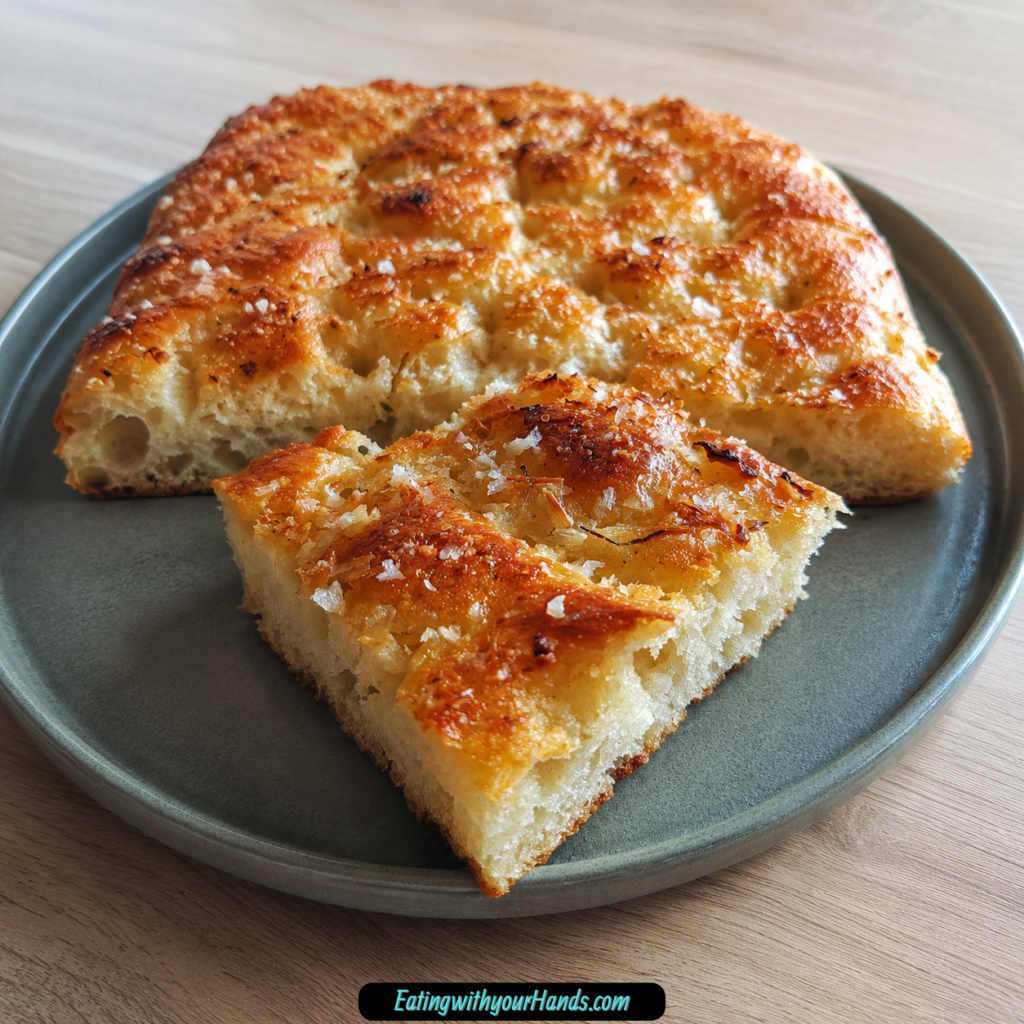
Slice the focaccia into 8 pieces. Serve warm.
The bread should be soft and airy inside, with a golden, savory top. Each piece should have garlic, Parmesan, olive oil, and salt.
Serve it with soup, salad, pasta, or a small bowl of olive oil and balsamic vinegar for dipping.
Pro Tips for the Best Garlic Parmesan Focaccia Bread
Use warm water, not hot water. Water that is too hot can kill the yeast.
Make sure the yeast becomes frothy before adding the flour. This confirms that it is active.
Knead the dough until smooth and elastic. Under-kneaded dough can bake up dense.
Let the dough rise until doubled. Skipping or shortening the rise can make the bread flat.
Use enough olive oil on the pan and top. Focaccia depends on olive oil for flavor and texture.
Watch the bread near the end of baking. Overbaking can dry it out.
Variations
Add chopped sun-dried tomatoes and basil for a Mediterranean twist. This gives the bread a bright, savory flavor.
Incorporate olives into the dough for a briny flavor. They pair well with Parmesan and herbs.
Top with different cheeses like mozzarella or feta for a unique taste. Mozzarella gives more melt, while feta adds tanginess.
For a seasonal touch, use pumpkin or butternut squash puree in the dough during fall. This changes the flavor and color.
Make it gluten-free by substituting with a gluten-free all-purpose flour blend. The texture may vary depending on the blend.
Add minced herbs like basil or oregano directly into the dough for a richer flavor. This gives every bite more aroma.
Experiment with infused oils, such as garlic oil or herb oil, for added depth. This is a simple way to change the flavor.
Serving Suggestions
Serve Garlic Parmesan Focaccia Bread warm, drizzled with olive oil and sprinkled with extra Parmesan if desired. Warm focaccia has the best texture and aroma.
It pairs beautifully with soups and salads. The soft bread is perfect for dipping into broth or soaking up dressing.
Serve it alongside pasta, roasted chicken, or a family-style dinner. It adds warmth and makes the meal feel more complete.
You can also enjoy it on its own with balsamic vinegar for dipping. This keeps the focus on the bread’s garlic, olive oil, and Parmesan flavors.
For gatherings, cut it into smaller pieces and place it on a platter. It is easy to share and always inviting.
Storage Tips
Store leftover focaccia in an airtight container at room temperature for up to 2 days. Let it cool completely before storing.
If the bread is still warm when sealed, moisture can build up and soften the crust. Cooling first helps preserve texture.
To reheat, warm it in the oven. This brings back some of the fresh-baked taste.
Avoid refrigerating if you plan to eat it soon. Room temperature storage works best for short-term freshness.
Freezing Instructions
Garlic Parmesan Focaccia Bread can be frozen. Once cooled, wrap it tightly in plastic wrap and then in aluminum foil.
It can be stored in the freezer for up to 3 months. Wrapping it well helps prevent freezer burn.
To enjoy later, thaw it and reheat in the oven. This helps restore the texture and warmth.
For easy portions, slice it before freezing. Then you can reheat only the pieces you need.
Make-Ahead Instructions
You can prepare the dough a day in advance. After kneading, cover it and refrigerate.
The next day, let the dough sit at room temperature before rolling out and baking. This helps it relax and rise properly.
This make-ahead option is helpful for busy dinners or gatherings. You can do most of the work earlier and bake fresh bread when ready.
For the best result, add the garlic, Parmesan, olive oil, and flaky salt right before baking. This keeps the topping fresh.
Common Mistakes to Avoid
Using water that is too hot can kill the yeast. Always use warm water, about 110°F.
Not kneading the dough enough can lead to dense bread. Knead until the dough is smooth and elastic.
Skipping the rising time can result in flat focaccia. Let the dough double in size.
Overbaking can dry out the bread. Watch it closely toward the end and remove it when golden.
Using old yeast can prevent the dough from rising. Make sure your yeast is fresh.
Not using enough olive oil can make the bread less flavorful. Olive oil is key to focaccia’s texture and taste.
Helpful Notes
For a richer flavor, add minced herbs like basil or oregano directly into the dough. This creates a more aromatic bread.
If you have dairy allergies, use a dairy-free cheese alternative for the topping. The flavor will change slightly, but the idea remains the same.
Experiment with different oils, such as infused garlic or herb oils. These can add extra depth to the bread.
For a softer crust, cover the focaccia with a kitchen towel right after baking. This traps a little steam and softens the surface.
Fresh garlic gives the best flavor, but garlic powder can be used in a pinch. Use it carefully so it does not overpower the bread.
Any hard cheese can work if Parmesan is not available. Choose one with a savory flavor.
Frequently Asked Questions
Can Garlic Parmesan Focaccia Bread Be Frozen?
Yes, this focaccia can be frozen. Once cooled, wrap it tightly in plastic wrap and then in aluminum foil.
It can be stored in the freezer for up to 3 months. Thaw and reheat in the oven for the best texture.
Can Ingredients Be Substituted?
Yes, several ingredients can be substituted. All-purpose flour can be replaced with bread flour for a chewier texture.
Fresh garlic can be replaced with garlic powder if needed. If you do not have Parmesan, another hard cheese can work in a pinch.
How Should I Store Leftovers?
Store leftover focaccia in an airtight container at room temperature for up to 2 days. Let it cool completely before storing.
For longer storage, wrap it tightly and freeze it. Reheat in the oven to bring back the fresh-baked feel.
Can This Recipe Be Made Ahead?
Yes, the dough can be prepared a day in advance. After kneading, cover it and refrigerate.
Let it sit at room temperature before shaping and baking the next day. This helps the dough relax and bake properly.
Why Did My Dough Not Rise?
The yeast may have been old, or the water may have been too hot or too cold. Yeast needs warm water to activate properly.
Make sure the mixture becomes frothy before adding the flour. That is the sign that the yeast is active.
How Do I Make the Bottom Crispier?
For a crispier bottom, place the baking sheet on the lower rack of the oven. Also make sure the pan is well greased with olive oil.
The oil and lower heat exposure help the bottom become golden and slightly crisp.
What Can I Serve With This Focaccia?
Serve it with soups, salads, pasta, roasted meats, or olive oil and balsamic vinegar for dipping. It also tastes wonderful on its own.
It is a flexible bread that fits both casual dinners and special gatherings.
Final Thoughts
Garlic Parmesan Focaccia Bread is one of those recipes that makes a meal feel warmer, fuller, and more inviting. With a soft dough, rich olive oil, fresh garlic, Parmesan cheese, flaky sea salt, and optional herbs, every piece is savory, fragrant, and comforting.
The recipe is simple enough for beginners but rewarding enough to make again and again. The dough rises into something pillowy and tender, then bakes into golden bread that is perfect for tearing, dipping, and sharing.
What makes this focaccia special is not just the flavor, but the feeling it brings to the table. Warm bread has a way of making people pause, reach for another piece, and settle into the moment.
Serve it with dinner, enjoy it with soup, or simply tear off a warm piece and taste the garlic, cheese, and olive oil in every bite. This Garlic Parmesan Focaccia Bread is simple, cozy, and made to be shared.
Garlic Parmesan Focaccia Bread
This Garlic Parmesan Focaccia Bread is soft, savory, and full of classic Italian-inspired flavor. The dough bakes up golden with a tender inside, while garlic, olive oil, Parmesan cheese, flaky sea salt, and optional herbs create a flavorful topping.
Recipe Information
- Prep Time: 20 minutes
- Cook Time: 25 minutes
- Total Time: 45 minutes
- Course: Bread
- Cuisine: Italian
- Servings: 8 pieces
- Calories: 250 kcal
Equipment
- Mixing bowl
- Baking sheet
Ingredients
For the Dough
- 2 teaspoons kosher salt
Enhances the flavor of the dough. - ¼ cup olive oil, plus more for greasing and drizzling
Adds richness, moisture, and classic focaccia flavor. - 4 cups all-purpose flour
Forms the structure of the bread. - 2¼ teaspoons active dry yeast, 1 packet
Helps the dough rise and become light and airy. - 2 teaspoons sugar
Feeds the yeast and helps start the rising process. - 1¾ cups warm water, about 110°F
Activates the yeast and brings the dough together.
For the Topping
- Flaky sea salt
Adds a crisp, salty finish on top of the bread. - 4 cloves garlic, minced
Gives the focaccia bold savory flavor. - 1 tablespoon fresh rosemary or thyme, optional, for garnish
Adds a fresh herbal finish before serving. - ½ cup freshly grated Parmesan cheese
Adds salty, cheesy richness to the topping.
Instructions
- Add the warm water, sugar, and active dry yeast to a mixing bowl.
- Let the mixture sit for about 5 minutes, or until it becomes foamy.
- Add the all-purpose flour, kosher salt, and olive oil to the yeast mixture.
- Mix until a soft dough forms.
- Transfer the dough to a lightly floured surface.
- Knead for about 5 to 7 minutes, or until the dough becomes smooth and elastic.
- Place the dough in a greased bowl.
- Cover the bowl and let the dough rise in a warm place for about 1 hour, or until doubled in size.
- Preheat the oven to 400°F (200°C).
- Grease a baking sheet with olive oil.
- Roll or gently stretch the dough onto the prepared baking sheet.
- Top the dough with minced garlic and freshly grated Parmesan cheese.
- Drizzle olive oil over the surface.
- Sprinkle with flaky sea salt.
- Bake for 25 minutes, or until the focaccia is golden brown.
- Garnish with fresh rosemary or thyme if desired.
- Slice and serve warm.
Notes
- Add fresh herbs directly into the dough for extra flavor.
- Drizzle a little more olive oil over the bread after baking for a richer finish.
- Serve with pasta, soup, salad, roasted meats, or as a dipping bread with olive oil.

Fernando is the creator and writer behind the food blog Eating with your Hands. Living and working in cities like Paris, Barcelona, and Berlin, and being married to a Canadian foodie, has given Fernando a passion and interest in food and inspired him to run EWYH.