
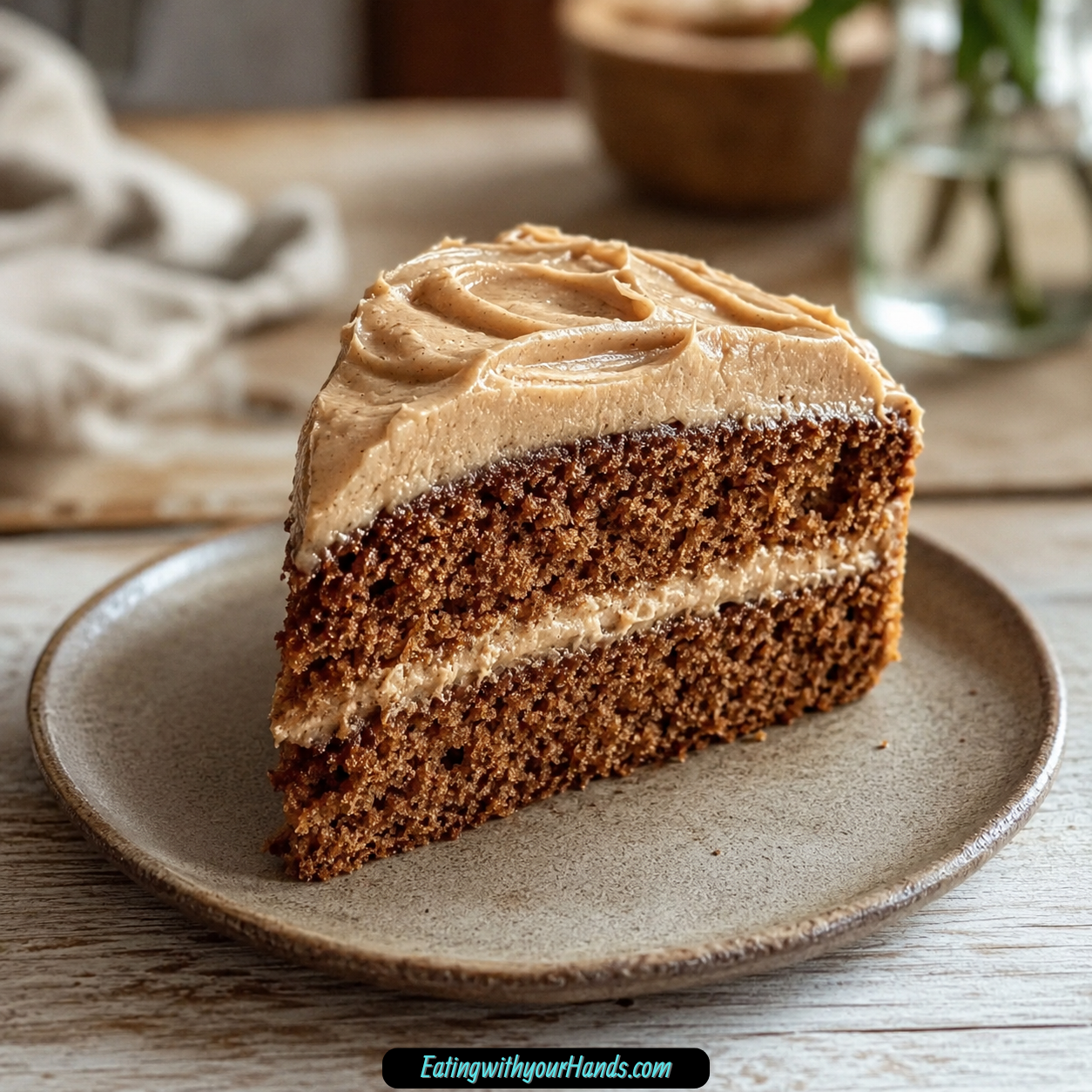
Gingerbread Cake with Cinnamon Molasses Frosting is the kind of dessert that makes the kitchen feel warm before the first slice is ever cut. The scent of ginger, cinnamon, nutmeg, cloves, and molasses filling the air has a way of making cold evenings feel softer and holiday gatherings feel even more special.
I love a cake that carries that deep, old-fashioned gingerbread flavor but still feels tender enough for a celebration. This one has the richness of molasses, the moisture of buttermilk, and the softness of a classic cake crumb, all finished with a tangy cream cheese frosting touched with cinnamon and molasses.
It is different from gingerbread cookies because it is not crisp or snappy. It is soft, moist, gently dense in the best way, and layered with spice from the inside out.
The frosting is what makes the whole cake feel complete. Cream cheese and butter give it a creamy base, powdered sugar makes it thick and spreadable, and the molasses and cinnamon echo the flavor of the cake in a way that feels cozy and thoughtful.
Table of Contents
- Why You’ll Love This Recipe
- Recipe Details
- Ingredients
- Optional Swaps, Variations, Add-Ins, and Serving Ideas
- Why This Gingerbread Cake Works
- Directions
- Step 1: Preheat the Oven to 350°F (175°C)
- Step 2: Prepare the 9-Inch Round Cake Pan
- Step 3: Whisk the Dry Ingredients
- Step 4: Cream the Butter and Sugars
- Step 5: Beat in the Molasses and Egg
- Step 6: Add the Dry Ingredients and Buttermilk Alternately
- Step 7: Mix Just Until Combined
- Step 8: Fill the Pan and Smooth the Top
- Step 9: Bake for 35–40 Minutes
- Step 10: Cool in the Pan for 10–15 Minutes
- Step 11: Turn Out Onto a Wire Rack
- Step 12: Beat the Cream Cheese and Butter
- Step 13: Add Molasses, Cinnamon, and Vanilla
- Step 14: Add the Powdered Sugar Gradually
- Step 15: Frost the Cooled Cake
- Serving Ideas
- Storage
- Reheating
- Freezing
- Make-Ahead
- Helpful Notes for Best Results
- Variations
- Troubleshooting
- Frequently Asked Questions
- Why This Recipe Works So Well
- Final Thoughts
- Gingerbread Cake with Cinnamon Molasses Frosting
- Recipe Details
- Ingredients
- Instructions
- Step 1: Prepare the Cake Pan
- Step 2: Mix the Dry Ingredients
- Step 3: Cream the Butter and Sugars
- Step 4: Add the Molasses and Egg
- Step 5: Combine the Batter
- Step 6: Fill the Pan
- Step 7: Bake the Cake
- Step 8: Cool Completely
- Step 9: Make the Cinnamon Molasses Frosting
- Step 10: Add the Powdered Sugar
- Step 11: Frost and Serve
- Notes
- Serving Suggestions
- Storage
Why You’ll Love This Recipe
This Gingerbread Cake with Cinnamon Molasses Frosting is incredibly moist thanks to buttermilk and molasses. The cake bakes into a tender round with a fine crumb and deep flavor.
The warming spices make every bite feel rich and seasonal. Cinnamon, ginger, nutmeg, and cloves bring the classic gingerbread character that makes this cake perfect for colder months.
It is easy to make with traditional cake steps. There are no fancy techniques, just whisking dry ingredients, creaming butter and sugars, adding molasses and egg, alternating dry ingredients with buttermilk, baking, cooling, and frosting.
The frosting is special enough to stand out. Molasses and cinnamon give the cream cheese frosting a unique twist that matches the cake beautifully.
This cake is perfect for Thanksgiving, Christmas, cozy winter nights, or any gathering where you want a dessert that feels warm and memorable. It is festive without being overly complicated.
It is also make-ahead friendly. You can bake the cake a day in advance and frost it before serving.
Recipe Details
This gingerbread cake bakes at 350°F (175°C). The recipe uses a 9-inch round cake pan that should be greased and floured or lined with parchment for easier removal.
The cake batter is made with 2 ¼ cups all-purpose flour, 1 teaspoon baking soda, 1 teaspoon ground cinnamon, 1 teaspoon ground ginger, ½ teaspoon ground nutmeg, ½ teaspoon ground cloves, ½ teaspoon salt, ½ cup softened unsalted butter, ½ cup granulated sugar, ½ cup packed brown sugar, ½ cup molasses, 1 large egg, and 1 cup buttermilk.
The batter is mixed by alternating the flour mixture and buttermilk. The dry ingredients are added in three parts, while the buttermilk is added in two parts, beginning and ending with the dry ingredients.
The cake bakes for 35–40 minutes. It is done when a toothpick inserted in the center comes out clean.
After baking, the cake cools in the pan for 10–15 minutes before being turned out onto a wire rack to cool completely. The cake must be fully cooled before frosting.
The frosting is made with 8 ounces softened cream cheese, ½ cup softened unsalted butter, ¼ cup molasses, 1 teaspoon ground cinnamon, 3 cups powdered sugar, and 1 teaspoon vanilla extract. It should be thick but spreadable.
Ingredients
Gingerbread Cake
2 ¼ cups all-purpose flour
1 teaspoon baking soda
1 teaspoon ground cinnamon
1 teaspoon ground ginger
½ teaspoon ground nutmeg
½ teaspoon ground cloves
½ teaspoon salt
½ cup unsalted butter, softened
½ cup granulated sugar
½ cup brown sugar, packed
½ cup molasses
1 large egg
1 cup buttermilk
Cinnamon Molasses Frosting
8 ounces cream cheese, softened
½ cup unsalted butter, softened
¼ cup molasses
1 teaspoon ground cinnamon
3 cups powdered sugar
1 teaspoon vanilla extract
Ingredient Notes
All-purpose flour gives the cake structure. Use the spoon-and-level method for accuracy so the crumb stays tender instead of heavy.
Baking soda helps the cake rise beautifully. It works with the other ingredients to create a tender cake instead of a dense one.
Cinnamon, ginger, nutmeg, and cloves create the warm gingerbread flavor. Recently purchased spices will give the cake a more aromatic flavor.
Salt balances the sweetness and supports the spices. It keeps the cake from tasting flat.
Softened unsalted butter is creamed with granulated sugar and brown sugar for a tender crumb. The brown sugar also adds moisture and molasses undertones.
Molasses is the star ingredient in both the cake and the frosting. Use unsulfured molasses, not blackstrap, for the best flavor.
Buttermilk keeps the cake moist and tender. It helps give this gingerbread cake its soft texture.
Cream cheese and butter create the frosting base. They should be softened so the frosting becomes smooth and fluffy.
Optional Swaps, Variations, Add-Ins, and Serving Ideas
Decorative Finishes
Top the frosted cake with sugared cranberries for a festive finish. You can also add a sprinkle of cinnamon if you want a simple decorative touch.
These finishing touches make the cake look special without changing the basic recipe. They are especially pretty for holiday serving.
Drink Pairings
Serve the cake with coffee, tea, or mulled wine. These drinks fit the warm spice flavors beautifully.
Coffee brings out the richness, tea keeps the dessert cozy, and mulled wine makes it feel extra festive for winter gatherings.
Cupcake Version
You can make this batter as cupcakes. Divide the batter into 12–14 cupcake liners and bake for 18–22 minutes.
This is a good option for parties or dessert tables. Cupcakes are easy to serve and still carry the same gingerbread flavor.
Larger Cake Option
You can double the recipe and use a 9×13-inch pan. Increase the baking time by 5–10 minutes.
This option is helpful for gatherings when a single 9-inch round cake is not enough. Watch for the same doneness cue: a toothpick inserted in the center should come out clean.
Buttermilk Substitute
If you do not have buttermilk, use 1 cup milk plus 1 tablespoon vinegar or lemon juice. Let it sit for 5 minutes before using.
This gives you a simple substitute when buttermilk is not available. Use it in the recipe where the buttermilk is called for.
Why This Gingerbread Cake Works
This cake works because the flavor is deep but balanced. Molasses gives richness, brown sugar adds moisture, and the warm spices create that unmistakable gingerbread character.
Buttermilk keeps the cake tender. Without it, the cake would not have the same soft crumb and moist texture.
The creaming step matters because the butter and sugars create the base of the cake. Beating them until light and fluffy helps create a better texture before the molasses and egg are added.
Alternating the dry ingredients with buttermilk keeps the batter smooth. Beginning and ending with the dry ingredients helps everything blend without overmixing.
The frosting works because it echoes the cake. Cinnamon and molasses in the cream cheese frosting connect the topping to the gingerbread instead of making it feel separate.
Cooling is essential. A warm cake can melt the frosting, so the cake needs to be completely cool before spreading the cinnamon molasses frosting over the top.
Directions
Step 1: Preheat the Oven to 350°F (175°C)
Preheat your oven to 350°F (175°C). This temperature gives the gingerbread cake enough heat to rise and bake through while staying tender.
Let the oven fully preheat before baking. A steady oven temperature helps the cake set evenly from the edges to the center.
This is also a good moment to take out your butter, cream cheese, buttermilk, and egg if they are not already at room temperature. Room temperature ingredients help create a smoother batter and frosting.
Step 2: Prepare the 9-Inch Round Cake Pan
Grease and flour a 9-inch round cake pan. You can also line it with parchment for easier removal.
Preparing the pan properly helps the cake release cleanly after baking. Gingerbread cake is tender, so a well-prepped pan is important.
If using parchment, press it into the pan neatly. This gives the cake a smooth base and makes turning it out easier after cooling.
Step 3: Whisk the Dry Ingredients
In a medium bowl, whisk together 2 ¼ cups all-purpose flour, 1 teaspoon baking soda, 1 teaspoon ground cinnamon, 1 teaspoon ground ginger, ½ teaspoon ground nutmeg, ½ teaspoon ground cloves, and ½ teaspoon salt.
Whisking helps evenly distribute the spices and baking soda through the flour. This keeps the cake flavor balanced and helps it rise evenly.
Take a moment to break up any little spice clumps. The dry mixture should look even before it is added to the wet ingredients.
Step 4: Cream the Butter and Sugars
In a large bowl, beat ½ cup softened unsalted butter with ½ cup granulated sugar and ½ cup packed brown sugar. Beat until the mixture is light and fluffy, about 2–3 minutes.
This step helps build the cake’s tender crumb. The softened butter blends with the sugars, creating a base that will carry the molasses, egg, and buttermilk.
Scrape the bowl if needed so the butter and sugars mix evenly. You do not want streaks of butter left along the sides.
Step 5: Beat in the Molasses and Egg
Add ½ cup molasses and 1 large egg to the creamed mixture. Beat until everything is well combined.
The molasses will darken the batter and give it that classic gingerbread depth. The egg helps bind the ingredients together.
Mix until the batter looks smooth and cohesive. It may look richer and heavier at this point, which is normal because molasses is thick and deeply flavored.
Step 6: Add the Dry Ingredients and Buttermilk Alternately
Add the flour mixture in three parts, alternating with 1 cup buttermilk in two parts. Begin and end with the dry ingredients.
This means you add some dry mixture first, then some buttermilk, then more dry mixture, then the remaining buttermilk, and finally the last dry mixture. Mix gently after each addition.
This method helps the batter come together smoothly. It also reduces the chance of overmixing, which can make the cake dense.
Step 7: Mix Just Until Combined
After the final dry addition, mix only until the batter is combined. Do not overmix.
A tender gingerbread cake depends on a gentle hand at this stage. Once you no longer see dry streaks of flour, stop mixing.
The batter should look thick, spiced, and smooth enough to spread into the pan. It should smell like molasses and warm spices.
Step 8: Fill the Pan and Smooth the Top
Pour the batter into the prepared 9-inch round cake pan. Use a spatula to smooth the top evenly.
An even surface helps the cake bake more uniformly. It also gives you a nicer base for frosting once the cake cools.
Spread the batter toward the edges without pressing too hard. The pan should be filled evenly before it goes into the oven.
Step 9: Bake for 35–40 Minutes
Bake the cake for 35–40 minutes. It is ready when a toothpick inserted in the center comes out clean.
Check near the end of the baking time. The cake should look set, and the center should not appear wet.
Do not overbake if the toothpick comes out clean. The goal is a moist, tender gingerbread cake, not a dry one.
Step 10: Cool in the Pan for 10–15 Minutes
Let the cake cool in the pan for 10–15 minutes. This resting time helps it firm enough to remove without breaking.
Freshly baked cake is delicate. If you turn it out too quickly, it may crack or tear.
Letting it sit briefly also helps the edges release more easily. After 10–15 minutes, the cake is ready to move to a wire rack.
Step 11: Turn Out Onto a Wire Rack
Carefully turn the cake out onto a wire rack. Let it cool completely before frosting.
A wire rack allows air to circulate around the cake. This helps it cool evenly instead of trapping heat at the bottom.
Do not frost while the cake is warm. Warm cake can soften or melt the frosting, making it hard to spread neatly.
Step 12: Beat the Cream Cheese and Butter
For the frosting, beat 8 ounces softened cream cheese and ½ cup softened unsalted butter together until smooth and fluffy. Make sure both are softened before mixing.
Softened ingredients blend more easily and create a creamier frosting. Cold cream cheese can leave lumps.
Beat until the mixture looks smooth and light. This creates the base for the cinnamon molasses flavor.
Step 13: Add Molasses, Cinnamon, and Vanilla
Add ¼ cup molasses, 1 teaspoon ground cinnamon, and 1 teaspoon vanilla extract to the frosting base. Beat again until evenly combined.
The molasses deepens the frosting and connects it to the gingerbread cake. The cinnamon adds warmth, and the vanilla rounds out the sweetness.
Scrape the bowl as needed. The frosting should be evenly colored and fragrant before the powdered sugar is added.
Step 14: Add the Powdered Sugar Gradually
Gradually beat in 3 cups powdered sugar. Continue mixing until the frosting is thick but spreadable.
Adding the powdered sugar slowly helps keep the frosting smooth. It also makes it easier to control the final texture.
The frosting should be sturdy enough to sit on the cake but soft enough to spread across the top. If it looks smooth, fluffy, and spreadable, it is ready.
Step 15: Frost the Cooled Cake
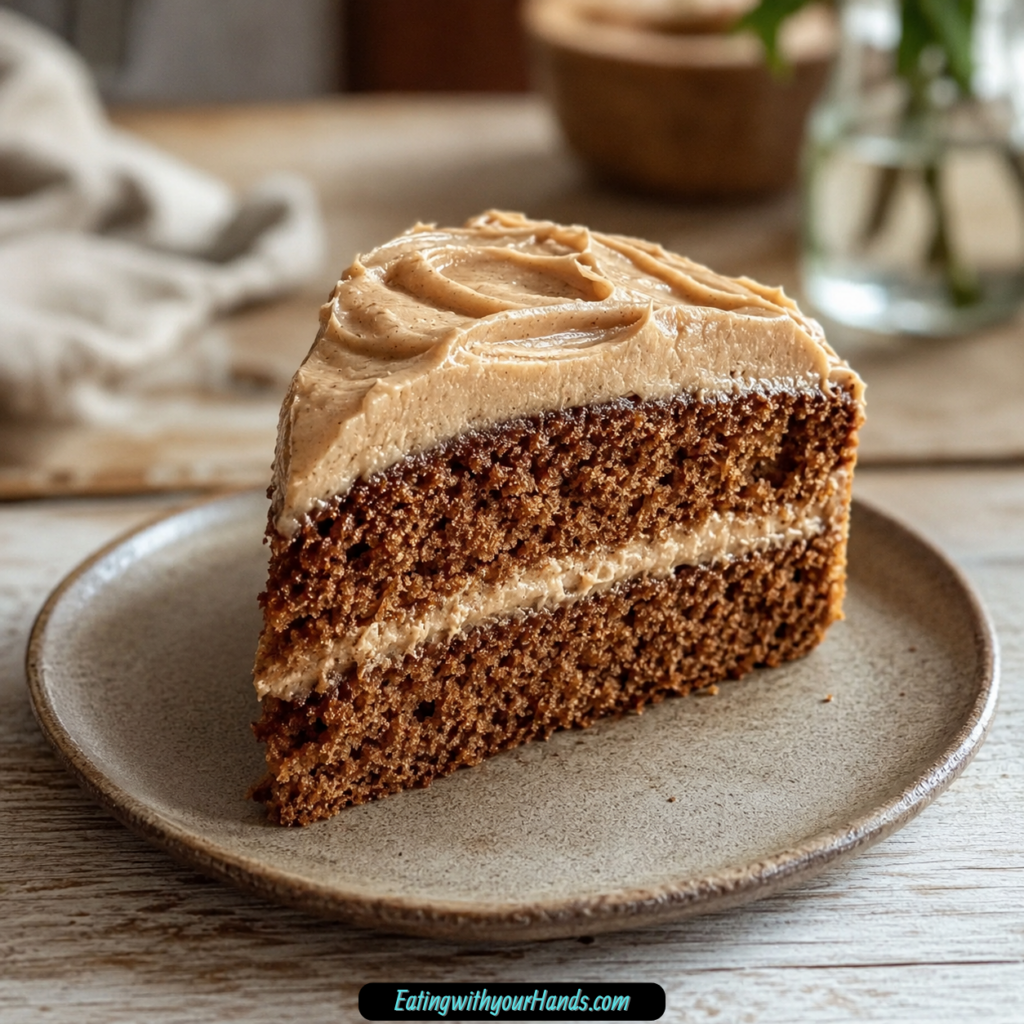
Once the cake is fully cooled, spread the frosting evenly over the top. Use a spatula to guide it from the center toward the edges.
Take your time so the frosting layer looks soft and generous. It does not need to be overly perfect; a simple swirled top feels warm and homemade.
Serve the cake at room temperature. This gives the cake and frosting the best flavor and texture.
Serving Ideas
Serve Gingerbread Cake with Cinnamon Molasses Frosting at room temperature for the best flavor and texture. The cake tastes softer and the frosting feels creamier when it is not too cold.
Top it with sugared cranberries for a festive holiday look. A sprinkle of cinnamon also makes a simple and pretty finish.
Pair slices with coffee, tea, or mulled wine. The warm spices in the cake make these drinks feel especially fitting.
This cake is perfect for Thanksgiving, Christmas, or cozy winter nights. It feels special enough for a holiday table but easy enough for a weekend bake.
For a smaller gathering, slice it modestly because the frosting is rich. For a dessert spread, let it sit among other winter treats and watch how quickly the spice aroma draws people in.
Storage
Store the cake covered at room temperature for 1 day. If storing longer, keep it in the refrigerator for up to 5 days.
Bring the cake to room temperature before serving for the best flavor and texture. Cold cake can taste firmer, and the frosting is softer and creamier once it warms slightly.
Cover the cake well so it does not dry out. This is especially important after slicing.
If the cake is frosted, protect the top from being crushed. A cake container works best if you have one.
Reheating
This cake does not need reheating. It is best served at room temperature.
If it has been refrigerated, let it sit out until it comes to room temperature before serving. This brings back the best texture in both the cake and frosting.
Do not warm frosted slices too much. The cream cheese frosting can soften quickly.
Freezing
This cake freezes well, frosted or unfrosted. Wrap it tightly and store for up to 2 months.
If freezing unfrosted, cool the cake completely first. Then wrap tightly so it stays protected.
If freezing frosted, make sure the frosting is set enough to wrap without smearing heavily. Thaw and bring to room temperature before serving.
Freezing makes this cake helpful for holiday planning. You can prepare it ahead and still serve a moist, spiced dessert later.
Make-Ahead
You can bake the cake a day in advance and frost it before serving. This is a helpful option when you want dessert ready without rushing.
The frosting can also be made in advance. It keeps well in the fridge for 3–4 days.
Before using chilled frosting, let it come to room temperature and beat it again. This helps it return to a smooth, spreadable texture.
If making the cake ahead, store it covered so it stays moist. Frost once the cake is completely cool and you are ready to finish it.
Helpful Notes for Best Results
Use recently purchased spices for a more aromatic cake. Fresh spices make the gingerbread flavor stronger and warmer.
Use unsulfured molasses, not blackstrap. Blackstrap molasses is too bitter and overpowering for this cake.
Do not overmix the batter after adding the dry ingredients. Stir just until everything is combined to avoid a dense cake.
Make sure the butter, cream cheese, and buttermilk are not cold. Room temperature ingredients help create a smooth batter and frosting.
Use the spoon-and-level method for the flour. Too much flour can make the cake heavier.
Cool the cake completely before frosting. This keeps the frosting thick, creamy, and easy to spread.
Variations
Gingerbread Cupcakes
Divide the batter into 12–14 cupcake liners. Bake for 18–22 minutes.
This version is perfect for parties or holiday trays. Each cupcake can be topped with the cinnamon molasses frosting.
9×13-Inch Gingerbread Cake
Double the recipe and bake it in a 9×13-inch pan. Increase the baking time by 5–10 minutes.
This is a good choice for larger gatherings. Use the same toothpick test to check doneness.
Cinnamon-Topped Gingerbread Cake
Sprinkle a little cinnamon over the frosting for a simple finish. It adds a warm look and echoes the flavor inside the frosting.
This option is easy but pretty. It works well when you want the cake to look finished without extra decoration.
Sugared Cranberry Gingerbread Cake
Top the frosted cake with sugared cranberries. This gives it a festive winter appearance.
The cranberries add a decorative finish. They are especially beautiful for Thanksgiving or Christmas tables.
Make-Ahead Frosted Gingerbread Cake
Bake the cake ahead and frost before serving. You can also make the frosting 3–4 days ahead and refrigerate it.
Let the frosting come to room temperature and beat it again before spreading. This keeps the texture smooth.
Troubleshooting
Why Is My Cake Dense?
The batter may have been overmixed after the flour was added. Mix just until combined.
The ingredients may also have been too cold. Room temperature butter, buttermilk, and egg help create a smoother batter.
Why Is My Frosting Lumpy?
The cream cheese or butter may not have been softened enough. Softened ingredients blend into a smooth frosting more easily.
Let them come to room temperature before beating. If the frosting was made ahead, let it warm slightly and beat again before using.
Why Did My Cake Stick to the Pan?
The pan may not have been greased and floured well enough, or parchment may not have been used. Preparing the pan helps the cake release cleanly.
Let the cake cool in the pan for 10–15 minutes before turning it out. This gives it time to settle.
Why Is My Cake Dry?
It may have baked too long. Bake for 35–40 minutes and remove it when a toothpick inserted in the center comes out clean.
Measure flour carefully using the spoon-and-level method. Too much flour can also make the cake dry.
Why Is the Molasses Flavor Too Strong?
Blackstrap molasses may have been used. Unsulfured molasses is recommended because blackstrap is too bitter and overpowering.
The molasses should taste deep and warm, not harsh. Use the right type for the best balance.
Frequently Asked Questions
Can I Make This as Cupcakes?
Yes, divide the batter into 12–14 cupcake liners. Bake for 18–22 minutes.
Let the cupcakes cool completely before frosting. The same cinnamon molasses frosting works beautifully on top.
Can I Double This Recipe?
Yes, you can double the recipe. Use a 9×13-inch pan and increase the baking time by 5–10 minutes.
Check for doneness with a toothpick inserted in the center. It should come out clean.
Can I Use Blackstrap Molasses?
Blackstrap molasses is not recommended. It is too bitter and overpowering for this cake.
Use unsulfured molasses for the best flavor. It gives the cake deep richness without harshness.
What Can I Use Instead of Buttermilk?
Use 1 cup milk plus 1 tablespoon vinegar or lemon juice. Let it sit for 5 minutes before using.
This works as a buttermilk substitute in the cake batter. Use it in place of the 1 cup buttermilk.
Can I Make the Frosting in Advance?
Yes, the frosting keeps well in the fridge for 3–4 days. Let it come to room temperature and beat again before using.
This helps make the frosting smooth and spreadable again. It is a helpful make-ahead step for holiday baking.
How Should I Store the Cake?
Store it covered at room temperature for 1 day or in the refrigerator for up to 5 days. Bring it to room temperature before serving.
The cake also freezes well, frosted or unfrosted. Wrap tightly and store for up to 2 months.
Should This Cake Be Served Cold?
It is best served at room temperature. The cake tastes softer, and the frosting has a creamier texture.
If refrigerated, let it sit out before serving. This brings back the best flavor and texture.
Why This Recipe Works So Well
Gingerbread Cake with Cinnamon Molasses Frosting works because it layers warm flavor in a balanced way. The cake has molasses, brown sugar, cinnamon, ginger, nutmeg, and cloves, while the frosting repeats molasses and cinnamon in a creamy, tangy topping.
Buttermilk keeps the cake moist and tender. It helps create the fine crumb that makes this cake different from heavier gingerbread bakes.
The combination of granulated sugar and brown sugar gives the cake both sweetness and moisture. Brown sugar also supports the molasses flavor.
The cream cheese frosting brings tang, which balances the bold spices and deep sweetness. Butter adds richness, powdered sugar gives structure, and vanilla smooths everything out.
The cake also works because it is simple enough for home baking but festive enough for a holiday table. It does not need elaborate decoration to feel special.
Most of all, it delivers the feeling people want from gingerbread. It is spiced, aromatic, soft, cozy, and full of winter comfort.
Final Thoughts
Gingerbread Cake with Cinnamon Molasses Frosting is a dessert that feels like cold weather comfort in cake form. It is moist, warmly spiced, and finished with a creamy frosting that tastes sweet, tangy, and deeply cozy.
I love how this cake brings together tradition and ease. It has all the familiar gingerbread notes of molasses, cinnamon, ginger, nutmeg, and cloves, but it bakes into a tender cake that feels ready for a holiday table.
Serve it for Thanksgiving, Christmas, a winter gathering, or a quiet weekend when the kitchen needs to smell like spice and warmth. One slice is enough to understand why this cake can become a seasonal favorite.
Gingerbread Cake with Cinnamon Molasses Frosting
This Gingerbread Cake with Cinnamon Molasses Frosting is moist, tender, warmly spiced, and finished with a rich cream cheese frosting touched with cinnamon and molasses. It is a cozy holiday dessert for festive gatherings, winter dinners, or any time you want a classic gingerbread flavor in soft cake form.
Recipe Details
- Prep Time: 20 minutes
- Cook Time: 40 minutes
- Servings: 8
- Calories: 420 kcal
Ingredients
For the Cake
- 1 cup buttermilk
- ½ cup molasses
- 1 large egg
- ½ cup unsalted butter softened
- ½ cup brown sugar packed
- ½ cup granulated sugar
- 2 ¼ cups all-purpose flour
- 1 teaspoon ground ginger
- 1 teaspoon ground cinnamon
- ½ teaspoon ground cloves
- ½ teaspoon ground nutmeg
- 1 teaspoon baking soda
- ½ teaspoon salt
For the Frosting
- 3 cups powdered sugar
- 8 oz cream cheese softened
- ½ cup unsalted butter softened
- ¼ cup molasses
- 1 teaspoon vanilla extract
- 1 teaspoon ground cinnamon
Instructions
Step 1: Prepare the Cake Pan
Preheat oven to 350°F (175°C). Grease and flour a 9-inch round cake pan.
Step 2: Mix the Dry Ingredients
In a bowl, whisk together the flour, baking soda, cinnamon, ginger, nutmeg, cloves, and salt.
Step 3: Cream the Butter and Sugars
In another bowl, beat the butter, granulated sugar, and brown sugar until light and fluffy.
Step 4: Add the Molasses and Egg
Add the molasses and egg to the butter mixture, then mix until smooth.
Step 5: Combine the Batter
Alternate adding the flour mixture and buttermilk, starting and ending with the flour mixture. Mix just until combined.
Step 6: Fill the Pan
Pour the batter into the prepared 9-inch round cake pan and smooth the top.
Step 7: Bake the Cake
Bake for 35-40 minutes, or until a toothpick comes out clean.
Step 8: Cool Completely
Cool the cake completely in the pan on a wire rack before frosting.
Step 9: Make the Cinnamon Molasses Frosting
For the frosting, beat the cream cheese and butter until smooth. Add the molasses, cinnamon, and vanilla.
Step 10: Add the Powdered Sugar
Gradually beat in the powdered sugar until the frosting is fluffy.
Step 11: Frost and Serve
Frost the cooled cake and serve.
Notes
Use fresh spices for the best flavor.
Unsulfured molasses is recommended for a balanced taste.
Chill the frosting briefly if it is too soft to spread.
Store in the fridge for up to 5 days or freeze for longer keeping.
Serving Suggestions
- Serve as a holiday dessert with coffee, hot tea, or hot cocoa.
- Add it to a Christmas or winter dessert table with cookies and bars.
- Slice and serve after a cozy dinner when you want a spiced cake with creamy frosting.
- Pair with warm apple cider for a festive seasonal treat.
- Serve chilled or let slices sit briefly at room temperature before enjoying.
Storage
How to Refrigerate
Store the frosted gingerbread cake in the fridge for up to 5 days.
How to Freeze
Freeze for longer keeping. Wrap the cake well or store slices in a freezer-safe container.
Best Texture Tip
Let the cake cool completely before adding the frosting so the cream cheese frosting stays thick, smooth, and easy to spread.
Frosting Tip
If the frosting is too soft to spread, chill it briefly before frosting the cake.

Fernando is the creator and writer behind the food blog Eating with your Hands. Living and working in cities like Paris, Barcelona, and Berlin, and being married to a Canadian foodie, has given Fernando a passion and interest in food and inspired him to run EWYH.