
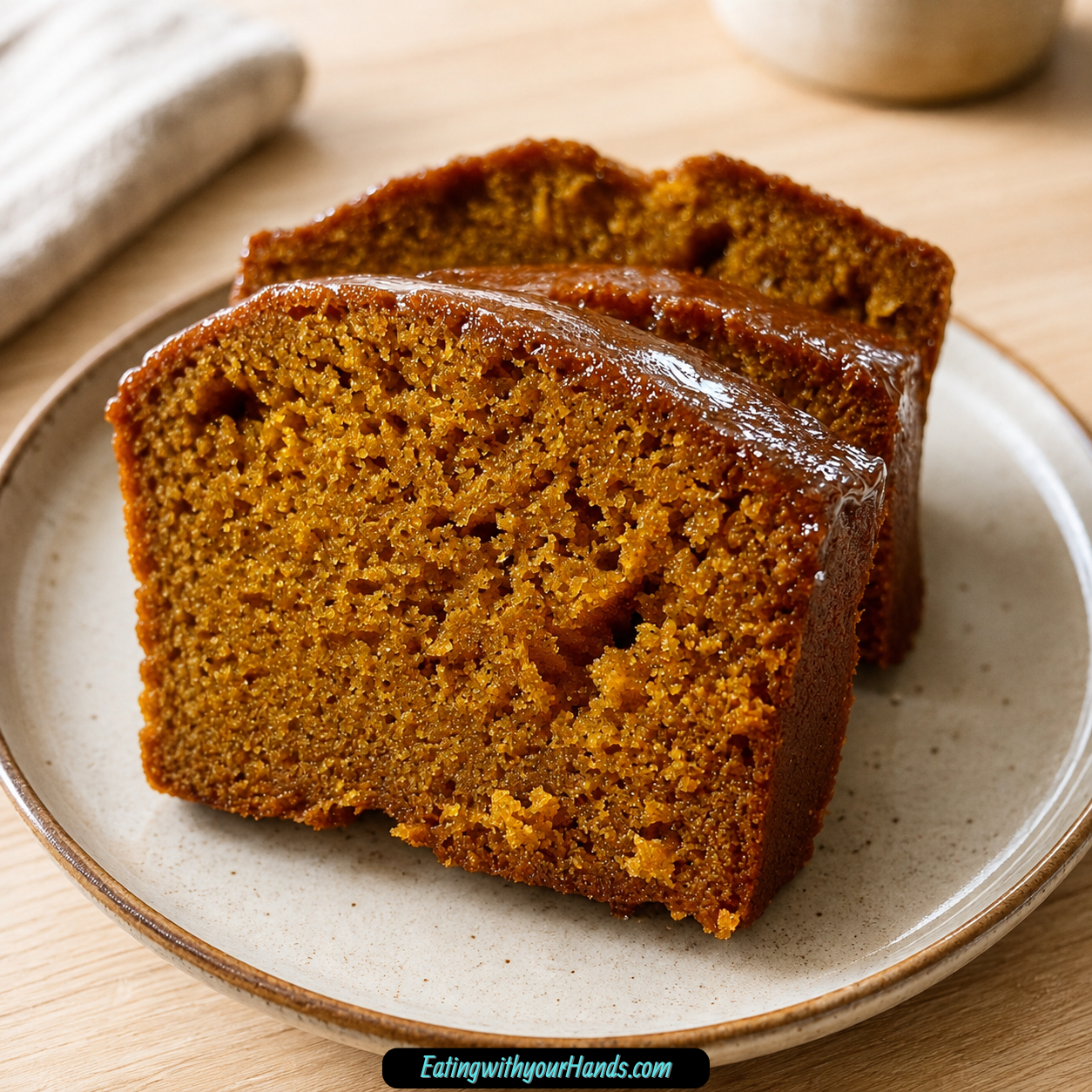
Incredibly Moist Pumpkin Bread is the kind of loaf that makes the whole kitchen feel softer, warmer, and more welcoming. It has the deep comfort of pumpkin purée, the richness of oil, the gentle lift of eggs, and a cozy blend of allspice, nutmeg, cinnamon, and cloves baked into every tender slice.
I love a pumpkin bread that feels sturdy enough to slice but still moist enough to taste almost luxurious. This version has that beautiful balance, with a soft crumb that holds together, a richly spiced aroma, and enough sweetness to make it feel like a treat without needing frosting.
There is something nostalgic about pumpkin bread when the weather cools. The scent alone can bring back memories of childhood kitchens, fall mornings, holiday brunches, and those quiet moments when a warm slice with coffee or tea feels like exactly what the day needed.
This recipe makes two 9×5-inch loaves, which is part of its charm. One loaf can be sliced for the house, while the other can be wrapped for gifting, tucked into the freezer, or shared with someone who could use a little homemade comfort.
It is a forgiving recipe, too. The batter comes together in a simple order, the ingredients are familiar, and the loaf rewards careful mixing, proper measuring, and a little patience while it cools.
Table of Contents
- Why You’ll Love This Incredibly Moist Pumpkin Bread
- Recipe Details
- Ingredients
- Optional Swaps, Variations, Mix-Ins, and Serving Ideas
- Why This Pumpkin Bread Works
- Directions
- Step 1: Preheat the Oven
- Step 2: Prepare the Loaf Pans
- Step 3: Measure the Flour Carefully
- Step 4: Add the Dry Leavening and Salt
- Step 5: Add the Warm Spices
- Step 6: Sift and Whisk the Dry Mixture
- Step 7: Beat the Eggs and Sugar
- Step 8: Add the Pumpkin Purée
- Step 9: Add the Oil and Water
- Step 10: Add Vanilla if Using
- Step 11: Add the Dry Ingredients Gradually
- Step 12: Mix Just Until Combined
- Step 13: Fold in Optional Mix-Ins
- Step 14: Divide the Batter Between Pans
- Step 15: Bake on the Middle Rack
- Step 16: Check for Doneness
- Step 17: Tent With Foil if Needed
- Step 18: Cool in the Pans
- Step 19: Release the Loaves
- Step 20: Cool Completely on a Wire Rack
- Step 21: Slice With a Serrated Knife
- Serving Ideas
- Storage
- Reheating
- Freezing
- Make-Ahead
- Helpful Notes for Best Results
- Variations
- Light Brown Sugar Pumpkin Bread
- Cane Sugar Pumpkin Bread
- Coconut Oil Pumpkin Bread
- Mild Olive Oil Pumpkin Bread
- Whole-Wheat Pumpkin Bread
- Gluten-Free Pumpkin Bread
- Walnut or Pecan Pumpkin Bread
- Chocolate Chip Pumpkin Bread
- Raisin or Dried Cranberry Pumpkin Bread
- Pumpkin Seed Version
- Cream Cheese Ribbon Pumpkin Bread
- Troubleshooting
- Frequently Asked Questions
- Why This Recipe Works So Well
- Final Thoughts
- Incredibly Moist Pumpkin Bread
Why You’ll Love This Incredibly Moist Pumpkin Bread
This pumpkin bread is exceptionally moist and tender. Pumpkin purée, vegetable oil, water, and sugar all help the loaf stay soft.
The spice flavor is rich but balanced. Allspice, nutmeg, cinnamon, and cloves create warmth without overwhelming the pumpkin.
The ingredients are simple and familiar. Flour, sugar, eggs, baking soda, baking powder, spices, pumpkin, oil, and water come together beautifully.
It is great for gifting and baking ahead. The loaves freeze well, slice neatly, and make thoughtful homemade gifts.
It has versatile serving options. Enjoy slices plain, toasted, with butter, cream cheese, nut butter, or even turned into pumpkin French toast.
It is perfect for fall gatherings. Serve it at holiday brunches, afternoon tea, school lunches, or crisp autumn breakfasts.
Recipe Details
This recipe bakes at 350°F (175°C). It makes two 9×5-inch loaves.
The loaf pans should be greased and floured, or lined with parchment strips so the loaves can be lifted out easily. Parchment also helps reduce breakage when unmolding.
The dry mixture includes 3 ½ cups all-purpose flour, 2 teaspoons baking soda, 1 teaspoon baking powder, 1 ½ teaspoons salt, 2 teaspoons ground allspice, 1 teaspoon ground nutmeg, 1 teaspoon ground cinnamon, and ½ teaspoon ground cloves.
The wet mixture starts with 4 large eggs and 3 cups granulated sugar. These are beaten with a hand or stand mixer until light, pale, and fluffy, about 2–3 minutes.
The pumpkin mixture includes 15 oz pumpkin purée, ¾ cup vegetable oil, and ⅔ cup water. One teaspoon vanilla extract can be added optionally for aromatic depth.
The batter is divided evenly between the two prepared pans. The loaves bake on the middle rack for 60–70 minutes, until a toothpick inserted into the center comes out clean or with just a few moist crumbs.
The loaves cool in the pans for about 10 minutes before being turned out onto a wire rack. Cooling fully before slicing helps the crumb settle and reduces crumbling.
Total time is about 80 minutes, including 15 minutes prep and about 65 minutes baking. If cut into 12 slices, each serving is approximately 350 kcal, though that can vary with exact ingredients and portion size.
Ingredients
Dry Ingredients
3 ½ cups all-purpose flour
2 teaspoons baking soda
1 teaspoon baking powder
1 ½ teaspoons salt
2 teaspoons ground allspice
1 teaspoon ground nutmeg
1 teaspoon ground cinnamon
½ teaspoon ground cloves
Wet Ingredients
4 large eggs
3 cups granulated sugar
15 oz pumpkin purée, about 1 ⅞ cups
¾ cup vegetable oil
⅔ cup water
Optional Flavor and Mix-Ins
1 teaspoon vanilla extract
½ cup chopped nuts, such as walnuts or pecans
½ cup chocolate chips
½ cup raisins
Ingredient Notes
All-purpose flour gives the pumpkin bread its structure. Measure it carefully by spooning it into the cup and leveling it off so the loaf does not turn dry.
Granulated sugar helps with both sweetness and moisture. It may sound like a lot, but it supports the tender texture and structure of the loaves.
Large eggs help bind the batter. Room temperature eggs mix more evenly into the sugar and help create a smoother batter.
Baking soda and baking powder give the loaves lift. Using both helps the bread rise properly and hold its shape.
Salt balances the sweetness. It also helps the warm spices taste more complete.
Allspice, nutmeg, cinnamon, and cloves create the cozy pumpkin bread flavor. Freshly ground spices or fresh whole nutmeg can give a more vibrant taste.
Pumpkin purée gives the loaf its moisture and fall flavor. Canned pumpkin purée is recommended for consistency unless homemade pumpkin purée is thick and well drained.
Vegetable oil keeps the bread tender. Neutral-flavored oils such as canola or sunflower also work well.
Water helps the batter come together smoothly. Room temperature or lukewarm water blends easily with the other ingredients.
Vanilla extract is optional but adds aromatic depth. Nuts, chocolate chips, or raisins can be folded in if desired, using ½ cup maximum.
Optional Swaps, Variations, Mix-Ins, and Serving Ideas
Brown Sugar Pumpkin Bread
Replace some of the granulated sugar with light brown sugar. This adds a slightly richer, caramel-like note.
Substituting up to 1 cup is suggested. Going beyond that may affect the moisture of the bread.
Cane Sugar Variation
Cane sugar can be used in place of some or all of the granulated sugar. It gives a slightly different sweetness.
The loaf should still stay tender if the measurements are kept consistent. Watch the moisture and texture as you bake.
Coconut Oil Pumpkin Bread
Swap vegetable oil for melted coconut oil if desired. Coconut oil may add its own fragrance to the bread.
Let the coconut oil cool slightly before mixing. It should still be liquid enough to blend smoothly.
Mild Olive Oil Pumpkin Bread
Lightly flavored olive oil can be used instead of vegetable oil. Choose a mild one so it does not overpower the pumpkin and spices.
This variation keeps the loaf moist. The flavor may be slightly different but still pleasant.
Whole-Wheat Touch
Replace ½ cup of the all-purpose flour with whole-wheat flour. This gives the loaf a slightly heartier texture.
Do not take the swap too far. Too much whole-wheat flour can make the bread denser.
Gluten-Free Option
Try using a 1:1 gluten-free baking blend. Reduce mixing and test the bake time carefully.
Gluten-free blends can behave differently. Use the toothpick test instead of relying only on time.
Nutty Pumpkin Bread
Fold in ½ cup chopped walnuts or pecans. Nuts add texture and make the loaf feel more rustic.
Walnuts bring a classic crunch. Pecans add a slightly softer, buttery texture.
Chocolate Chip Pumpkin Bread
Fold in ½ cup chocolate chips. This turns the loaf into a sweeter treat.
Chocolate works well with the spices and pumpkin. Keep the amount to ½ cup so the bread still holds its structure.
Raisin or Dried Cranberry Pumpkin Bread
Use ½ cup raisins or dried cranberries. Raisins add sweetness, while dried cranberries add a tart note.
Both options make the bread feel more suited for gifting or holiday trays. Fold them in gently at the end.
Pumpkin Seed Finish
Serve slices on a platter garnished with pumpkin seeds. This adds a simple seasonal look.
Pumpkin seeds can make the presentation feel special. They are especially nice for holiday brunches.
Cream Cheese Swirl Direction
A thin ribbon of cream cheese filling can be swirled in using softened cream cheese, sugar, and egg. This creates a richer variation.
Keep the ribbon thin so the loaf still bakes evenly. The base bread is already moist, so the swirl should not be too heavy.
Why This Pumpkin Bread Works
This pumpkin bread works because it uses a generous balance of pumpkin purée, oil, water, and sugar. Those ingredients help the loaf stay soft instead of dry.
The oil is especially important for moisture. Unlike butter, oil keeps the crumb tender even after the bread cools.
Pumpkin purée adds both flavor and softness. It gives the bread that seasonal character while helping the crumb stay rich.
Water helps loosen the batter and keeps the texture balanced. It supports the moistness without adding heaviness.
The eggs and sugar are beaten until light and fluffy. That aeration helps the loaf texture feel softer.
Careful mixing makes a difference. Once the dry ingredients are added, gentle stirring protects the crumb from becoming tough.
Directions
Step 1: Preheat the Oven
Preheat your oven to 350°F (175°C). This gives the loaves a steady baking temperature from the start.
Let the oven fully preheat before placing the pans inside. Pumpkin bread needs consistent heat because the loaves are thick and bake for a long time.
Position the oven rack in the middle. The middle rack helps the loaves bake evenly without overbrowning too quickly on top.
Step 2: Prepare the Loaf Pans
Grease and flour two 9×5-inch loaf pans. Coat the sides and bottom well so the loaves release cleanly after baking.
You can also line the pans with parchment strips. Parchment makes it easier to lift the loaves out and reduces the chance of breakage.
Set the prepared pans aside before mixing the batter. Once the batter is ready, it should go into the pans without delay.
Step 3: Measure the Flour Carefully
Measure 3 ½ cups all-purpose flour by spooning it into the measuring cup and leveling it off. Avoid packing the flour.
Too much flour can make the bread dry. Careful measuring is one of the easiest ways to protect the moist texture.
Place the measured flour in a large bowl. This bowl will hold the full dry mixture.
Step 4: Add the Dry Leavening and Salt
Add 2 teaspoons baking soda, 1 teaspoon baking powder, and 1 ½ teaspoons salt to the flour. These ingredients help the loaves rise and balance flavor.
Make sure they are evenly distributed through the flour. Uneven leavening can cause inconsistent rise.
The salt may seem simple, but it matters. It keeps the sweetness and spice from tasting flat.
Step 5: Add the Warm Spices
Add 2 teaspoons ground allspice, 1 teaspoon ground nutmeg, 1 teaspoon ground cinnamon, and ½ teaspoon ground cloves to the dry ingredients. These spices create the classic autumn flavor.
Fresh spices give the most vibrant flavor. If you have whole nutmeg or a spice grinder, freshly ground spices can make the loaf taste even warmer.
If you prefer lighter spice, reduce the cloves to ¼ teaspoon. Cloves are strong, so a small adjustment changes the flavor noticeably.
Step 6: Sift and Whisk the Dry Mixture
Sift the dry ingredients together if desired, then whisk them until evenly blended. This helps remove lumps and spreads the spices throughout the flour.
A few extra seconds of whisking helps the batter mix more evenly later. It prevents concentrated pockets of spice or leavening.
Set the dry mixture aside. You will add it gradually to the wet pumpkin mixture.
Step 7: Beat the Eggs and Sugar
In another large mixing bowl, combine 4 large eggs and 3 cups granulated sugar. Beat with a hand mixer or stand mixer.
Beat for about 2–3 minutes, until the mixture is light, pale, and fluffy. It should increase slightly in volume and become a lighter shade.
This step adds air to the batter. That aeration helps the loaf texture become more tender.
Step 8: Add the Pumpkin Purée
Add 15 oz pumpkin purée, about 1 ⅞ cups, to the egg and sugar mixture. Mix gently.
Use canned pumpkin purée for the most consistent results. If using homemade pumpkin purée, it should be thick and drained well.
Do not use watery purée. Too much extra moisture can affect the loaf structure.
Step 9: Add the Oil and Water
Add ¾ cup vegetable oil and ⅔ cup water. Room temperature or lukewarm water helps the ingredients come together smoothly.
Mix gently until the wet mixture looks smooth and uniform. Do not beat aggressively at this point.
The oil, pumpkin, and water are what make the bread especially moist. Make sure they are blended well into the egg-sugar base.
Step 10: Add Vanilla if Using
Add 1 teaspoon vanilla extract if you want extra aromatic depth. This step is optional.
Vanilla adds a soft background note that works with pumpkin and warm spices. It does not change the basic method.
Stir gently until incorporated. The wet mixture should remain smooth.
Step 11: Add the Dry Ingredients Gradually
Gradually add the dry ingredient mixture to the wet pumpkin mixture. Add in portions rather than all at once.
Stir gently after each addition. This helps the flour incorporate without overworking the batter.
Scrape the bowl as needed. You want the dry ingredients moistened evenly.
Step 12: Mix Just Until Combined
Stop mixing as soon as the batter comes together. A few small streaks are okay.
Overmixing can activate gluten and make the loaf tough instead of tender. Gentle mixing keeps the crumb soft.
The batter should be thick, smooth, and spiced. It does not need to be perfectly beaten.
Step 13: Fold in Optional Mix-Ins
If using mix-ins, fold in up to ½ cup chopped walnuts, pecans, chocolate chips, or raisins. Keep the amount moderate.
Use a spatula and fold gently. The goal is to distribute the mix-ins without overmixing.
This step is optional. The bread is flavorful and moist even without add-ins.
Step 14: Divide the Batter Between Pans
Evenly divide the batter between the two prepared 9×5-inch loaf pans. Try to keep the amounts close so the loaves bake at the same pace.
Smooth the tops gently with a spatula. Do not press the batter down hard.
The pans should be filled evenly. This helps both loaves finish baking around the same time.
Step 15: Bake on the Middle Rack
Place the pans on the middle rack of the preheated oven. Bake for 60–70 minutes.
Avoid opening the oven too often. Pumpkin bread needs steady heat to rise and set.
The loaves will slowly rise, deepen in color, and fill the kitchen with the smell of warm spices. Begin checking near the lower end of the bake time.
Step 16: Check for Doneness
Insert a toothpick into the center of a loaf. It should come out clean or with just a few moist crumbs.
Moist crumbs are fine. Wet batter means the bread needs more time.
Use the toothpick method rather than time alone. Ovens can vary, and thick loaves need a reliable doneness check.
Step 17: Tent With Foil if Needed
If the tops brown too quickly, tent the loaves lightly with aluminum foil during the last 10–15 minutes. This protects the surface while the center finishes baking.
Do not wrap the foil tightly. A loose tent is enough.
If the loaves rise rapidly and crack extensively, the oven may be running hot. Tenting can help, and next time you can try baking a few degrees lower.
Step 18: Cool in the Pans
Let the loaves cool in the pans for about 10 minutes. Do not skip this resting period.
This short rest helps the bread firm enough to remove without breaking. It also lets the structure settle.
Set the pans on a safe surface while cooling. The bread will still be very hot.
Step 19: Release the Loaves
Run a butter knife around the edges of each loaf. This helps loosen any spots that may be sticking.
Carefully turn the loaves out of the pans. If you used parchment strips, lift them out gently.
Handle the loaves with care. Warm pumpkin bread is tender and can break if rushed.
Step 20: Cool Completely on a Wire Rack
Place the loaves on a wire rack to cool completely. Air should circulate around the bread.
Cooling fully helps the crumb structure settle. It also reduces crumbling when sliced.
The wait can be difficult, but it makes a real difference. The slices will hold together better once the bread has cooled.
Step 21: Slice With a Serrated Knife
Use a sharp serrated knife to slice the bread. A serrated knife helps cut through the soft crumb more cleanly.
Slice when the bread is fully cooled or slightly warm for the best texture. Very hot bread can tear.
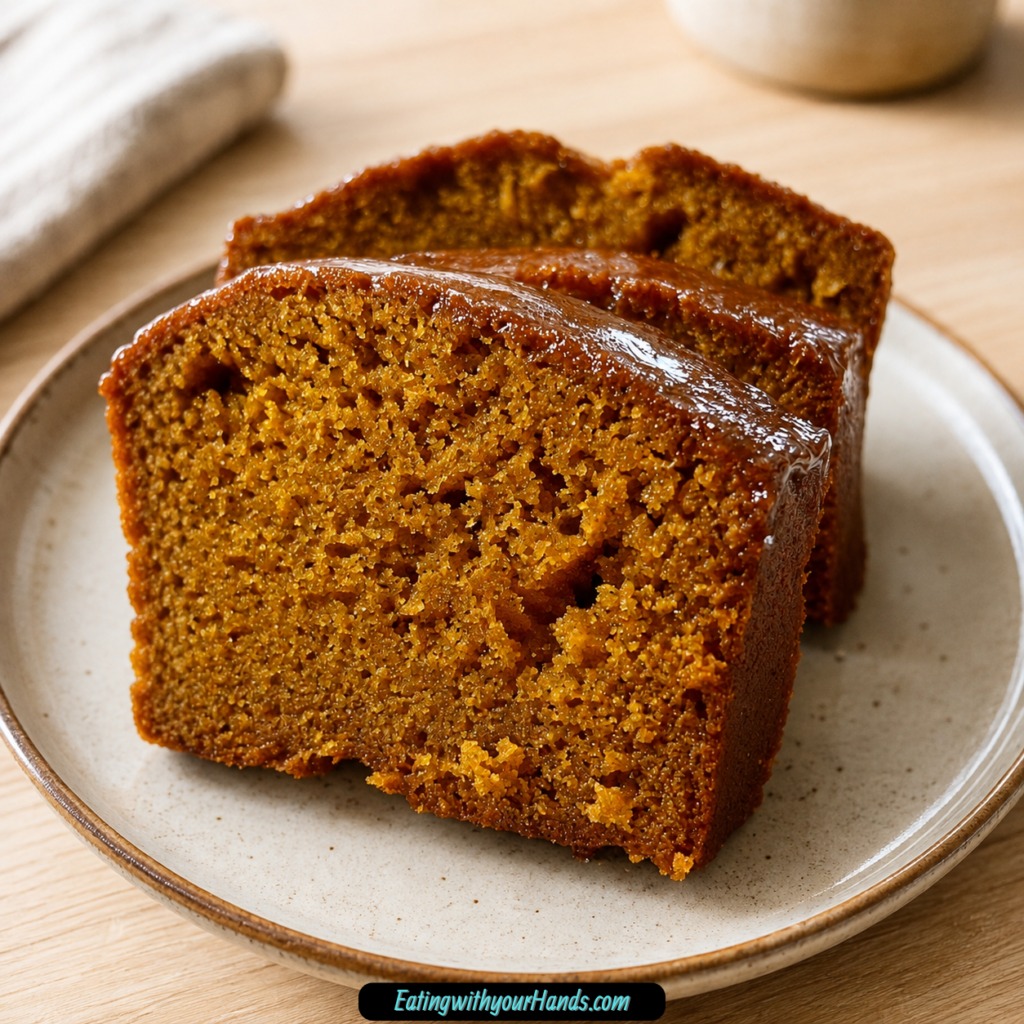
Serve thick or thin slices depending on how you plan to enjoy it. The loaf works for breakfast, snacks, gifting, and dessert-style servings.
Serving Ideas
Serve slices plain for a simple fall treat. The bread is moist and spiced enough to stand on its own.
Toast slices and spread with butter, cream cheese, or nut butter. The warmth brings out the pumpkin and spice flavor.
For a sweeter treat, serve with cinnamon-sugar butter, mascarpone, or whipped cream. These toppings make the bread feel more dessert-like.
Use leftover slices as pumpkin French toast. Dip slices in an egg-milk mixture and fry lightly.
For holiday brunches or gatherings, arrange slices on a platter. Garnish with cinnamon sticks or pumpkin seeds for a seasonal presentation.
Serve with coffee, chai tea, or a spiced latte. The warm drinks pair beautifully with the pumpkin and spice flavor.
Storage
At room temperature, wrap the loaf or slices tightly in plastic wrap or store them in an airtight container. The bread will stay good for 3–4 days.
Keep the bread well covered. This helps preserve moisture and prevents the slices from drying out.
You can refrigerate the bread to extend freshness. Wrap it well so it does not become dry.
In the refrigerator, it should last about 5–7 days. Let chilled slices sit briefly at room temperature or toast them before serving if desired.
Reheating
To reheat gently, warm slices in a 300°F oven for 10–15 minutes. Cover with foil if the top seems to dry.
A light mist of water or a brush of melted butter can help retain moisture. Use this especially when reheating slices that have been stored for a few days.
You can also toast thin frozen slices straight from the freezer. Add a minute or two if needed.
For a cozy breakfast, toast a slice and add butter or cream cheese. Warm pumpkin bread feels especially comforting on chilly mornings.
Freezing
Pumpkin bread freezes beautifully. Wrap the loaf or individual slices in plastic wrap, then wrap again in foil or place in a freezer bag.
Double wrapping helps protect the bread from freezer dryness. It also keeps the flavor fresher.
Freeze for up to 3 months. Labeling the package can help you remember when it was frozen.
To thaw, move the bread to the refrigerator overnight. You can also reheat gently in a 300°F oven for 10–15 minutes.
Individual slices are especially convenient. They let you thaw or toast only what you need.
Make-Ahead
This pumpkin bread is a wonderful make-ahead recipe. Bake both loaves, cool them fully, and wrap them well.
One loaf can be served right away, while the other can be frozen for later. This makes the recipe useful for holidays, brunches, and gifting.
The bread keeps well at room temperature for 3–4 days. It can also be refrigerated for 5–7 days or frozen for up to 3 months.
If gifting, let the loaf cool completely before wrapping. A fully cooled loaf holds its shape better and stores more cleanly.
Helpful Notes for Best Results
Measure flour carefully. Too much flour is one of the main reasons pumpkin bread turns dry.
Do not overmix after adding the dry ingredients. Gentle mixing keeps the crumb tender.
Use canned pumpkin purée for reliable results. Homemade purée must be thick and drained well.
Use fresh spices if possible. Older ground spices can taste flat.
Do not skip the 10-minute rest in the pan before unmolding. That rest helps the loaves release without breaking.
Parchment liners make removal easier. They are especially helpful if you plan to gift the loaves.
Use the toothpick method to test doneness. A few moist crumbs are okay, but wet batter is not.
If the tops brown too quickly, tent with aluminum foil. If your oven runs hot, try baking a few degrees lower next time.
Variations
Light Brown Sugar Pumpkin Bread
Replace up to 1 cup of the granulated sugar with light brown sugar. This gives the loaf a deeper caramel note.
Avoid replacing too much sugar if you want to keep the same moisture balance. The bread is already designed to be very moist.
Cane Sugar Pumpkin Bread
Use cane sugar for some or all of the granulated sugar. It gives the loaf a slightly different sweetness.
Keep the same total amount. This helps preserve the structure of the bread.
Coconut Oil Pumpkin Bread
Use melted coconut oil instead of vegetable oil. It can add a subtle fragrance.
Make sure it is melted and not too hot when added. Mix gently with the pumpkin, water, and egg mixture.
Mild Olive Oil Pumpkin Bread
Use a lightly flavored olive oil instead of vegetable oil. Choose a mild oil so it does not overpower the spices.
This version still stays moist. The flavor will have a slightly different character.
Whole-Wheat Pumpkin Bread
Replace ½ cup of the all-purpose flour with whole-wheat flour. This makes the loaf a little heartier.
Going too far with whole-wheat flour may make the bread dense. Keep the swap moderate.
Gluten-Free Pumpkin Bread
Use a 1:1 gluten-free baking blend. Mix gently and test bake times carefully.
The texture may be different. Use the toothpick test to check doneness.
Walnut or Pecan Pumpkin Bread
Fold in ½ cup chopped walnuts or pecans. These add crunch and a classic fall texture.
Nuts work especially well if serving slices with coffee or tea. They make the loaf feel more rustic.
Chocolate Chip Pumpkin Bread
Fold in ½ cup chocolate chips. This turns the bread into a sweeter treat.
Chocolate chips are a good choice for school lunches or dessert-style slices. Keep the amount to ½ cup.
Raisin or Dried Cranberry Pumpkin Bread
Fold in ½ cup raisins or dried cranberries. Raisins add sweetness, and dried cranberries bring a tart note.
This variation feels festive. It is a good option for holiday brunches or gift loaves.
Pumpkin Seed Version
Add pumpkin seeds as a garnish for serving. They make the presentation more seasonal.
They can be especially pretty on a platter. Pair with cinnamon sticks for a holiday table.
Cream Cheese Ribbon Pumpkin Bread
Swirl in a thin ribbon of cream cheese filling made with softened cream cheese, sugar, and egg. Keep the ribbon thin.
This gives the loaf a creamy layer. Watch bake time carefully so the center sets.
Troubleshooting
Why Is My Pumpkin Bread Dry?
Too much flour, overmixing, or overbaking can make pumpkin bread dry. Measure flour by spooning and leveling.
Mix only until combined after adding the dry ingredients. Start testing early so the loaf does not overbake.
Why Did My Loaf Collapse in the Middle?
The loaf may have been underbaked. It may also have been overmixed, which can weaken the structure.
Use the toothpick test in the center. The toothpick should come out clean or with a few moist crumbs.
Why Did My Loaf Crack Badly?
A crack can happen if the oven is too hot or the loaf rises too quickly. If the top browns too fast, tent with foil.
Next time, try baking a few degrees lower if your oven runs hot. Use the middle rack for even baking.
Why Is My Bread Dense?
Too much flour or too much mixing can make the loaf dense. Measure carefully and stir gently.
Replacing too much all-purpose flour with whole-wheat flour can also make the bread heavier. Keep whole-wheat swaps moderate.
Why Did My Loaf Stick to the Pan?
The pan may not have been greased and floured well enough. Parchment strips can make removal easier.
Let the loaf rest in the pan for about 10 minutes before turning it out. This helps it release more cleanly.
Frequently Asked Questions
Can I Freeze This Pumpkin Bread?
Yes, pumpkin bread freezes very well. Wrap the loaf or individual slices tightly in plastic wrap, then foil or a freezer-safe bag.
It will keep well for up to 3 months. Thaw in the refrigerator overnight or reheat gently in the oven or toaster.
What If I Do Not Have Pumpkin Purée?
You can make your own by roasting and puréeing sugar pumpkin, then draining excess liquid until thick. The texture must be thick, not watery.
Canned pumpkin purée is strongly recommended for reliable results. It gives consistent moisture and texture.
My Loaf Was a Bit Dry. What Went Wrong?
Possible causes include overmixing, too much flour, under-measuring liquids, or overbaking. Be gentle, measure flour properly, and be exact with the liquid amounts.
Test early with a toothpick. Remove the bread when it comes out clean or with a few moist crumbs.
Why Did My Loaf Crack Badly or Collapse?
A badly cracked loaf may mean the oven is too hot or the loaf rose too quickly. A collapsed loaf may be underbaked or overmixed.
Tent with foil if the top browns too soon. Always check the center with a toothpick.
Can I Make One Large Loaf Instead of Two Smaller Loaves?
You could, but the baking time will increase. There is also a risk of an underbaked center or overcooked edges.
For best results, stick to two 9×5-inch pans. If trying one large loaf, monitor carefully and possibly reduce the oven temperature slightly with a longer bake time.
Can I Add Chocolate Chips or Nuts?
Yes, fold in up to ½ cup chocolate chips, walnuts, or pecans. Keep the amount moderate so the loaf holds together well.
Raisins and dried cranberries also work. Fold them in gently at the end.
Is This Recipe Dairy-Free?
Yes, the recipe is naturally dairy-free because it contains no butter or milk. It uses oil and water for moisture.
Optional toppings like butter, cream cheese, mascarpone, or whipped cream are not dairy-free. Serve plain if you need to keep it dairy-free.
Why This Recipe Works So Well
Incredibly Moist Pumpkin Bread works because it leans on ingredients that hold moisture well. Pumpkin purée, vegetable oil, water, and sugar all help create a tender loaf.
The eggs and sugar are beaten until pale and fluffy. This adds air and supports a softer texture.
The dry ingredients bring structure, rise, salt balance, and spice. Baking soda, baking powder, flour, and spices work together with the pumpkin mixture.
The batter is mixed gently after the dry ingredients are added. This prevents the loaf from becoming tough.
The loaves bake slowly enough to set in the center. The middle rack and toothpick test help make sure they bake through without drying out.
Cooling matters just as much as baking. The 10-minute pan rest and full wire rack cooling help the crumb settle so slices stay neat and moist.
Final Thoughts
Incredibly Moist Pumpkin Bread is one of those recipes that feels like a season captured in loaf form. It is warmly spiced, tender, fragrant, and steady enough to become a repeated kitchen ritual.
I love how the recipe makes enough to share. One loaf can sit on the counter for breakfast and snacks, while the other can go to a neighbor, a brunch table, the freezer, or someone who could use a homemade reminder that they are cared for.
Serve it plain, toasted, with butter or cream cheese, turned into French toast, or wrapped as a gift. However you enjoy it, this pumpkin bread brings comfort, memory, and the kind of sweetness that makes autumn feel a little closer.
Incredibly Moist Pumpkin Bread
This Incredibly Moist Pumpkin Bread is soft, tender, warmly spiced, and full of cozy pumpkin flavor. Made with pumpkin purée, vegetable oil, warm spices, and a simple loaf-pan method, it is perfect for fall baking, holiday gifting, breakfast slices, coffee breaks, or freezing for later.
Recipe Details
- Prep Time: 15 minutes
- Cook Time: 1 hour 5 minutes
- Total Time: 1 hour 20 minutes
- Servings: 12 slices
- Calories: 350 kcal
Ingredients
- 15 oz pumpkin purée
- ¾ cup vegetable oil
- ⅔ cup water
- 4 large eggs
- 3 cups granulated sugar
- 3 ½ cups all-purpose flour
- 2 teaspoons baking soda
- 1 teaspoon baking powder
- 1 ½ teaspoons salt
- 2 teaspoons ground allspice
- 1 teaspoon ground cinnamon
- 1 teaspoon ground nutmeg
- ½ teaspoon ground cloves
Instructions
Step 1: Prepare the Loaf Pans
Preheat oven to 350°F (175°C). Grease and flour two 9×5 inch loaf pans.
Step 2: Sift the Dry Ingredients
In a large bowl, sift together the all-purpose flour, baking soda, baking powder, salt, ground allspice, ground nutmeg, ground cinnamon, and ground cloves.
Step 3: Beat the Eggs and Sugar
In another bowl, beat the eggs and granulated sugar until light and fluffy.
Step 4: Add the Pumpkin Mixture
Add the pumpkin purée, vegetable oil, and water to the egg mixture. Mix until well combined.
Step 5: Combine the Batter
Gradually fold the dry ingredients into the wet mixture. Stir gently, just until combined.
Step 6: Fill the Loaf Pans
Divide the batter evenly between the two prepared 9×5 inch loaf pans.
Step 7: Bake the Pumpkin Bread
Bake for 60-70 minutes, or until a toothpick comes out clean.
Step 8: Cool the Loaves
Cool the pumpkin bread in the pans for 10 minutes, then transfer the loaves to a wire rack to cool completely.
Notes
Use canned pumpkin purée for consistent texture.
Avoid overmixing to keep the bread tender.
Add-ins like chopped walnuts, chocolate chips, or dried cranberries work well.
Bread can be frozen up to 3 months; wrap tightly in plastic and foil.
Serving Suggestions
- Serve with coffee, hot tea, or warm apple cider.
- Toast slices for a cozy breakfast treat.
- Add to a holiday brunch table with muffins, fruit, and breakfast casseroles.
- Wrap slices or whole loaves for seasonal gifting.
- Serve slightly warm for the softest texture and strongest pumpkin spice aroma.
Storage
How to Store
Let the pumpkin bread cool completely before storing. Keep it wrapped or in an airtight container to help maintain moisture.
How to Freeze
Bread can be frozen up to 3 months. Wrap tightly in plastic and foil before freezing.
Best Texture Tip
Avoid overmixing the batter so the pumpkin bread stays tender and moist.
Cooling Tip
Cool the loaves in the pans for 10 minutes before transferring them to a wire rack so they can set without becoming soggy.

Fernando is the creator and writer behind the food blog Eating with your Hands. Living and working in cities like Paris, Barcelona, and Berlin, and being married to a Canadian foodie, has given Fernando a passion and interest in food and inspired him to run EWYH.