
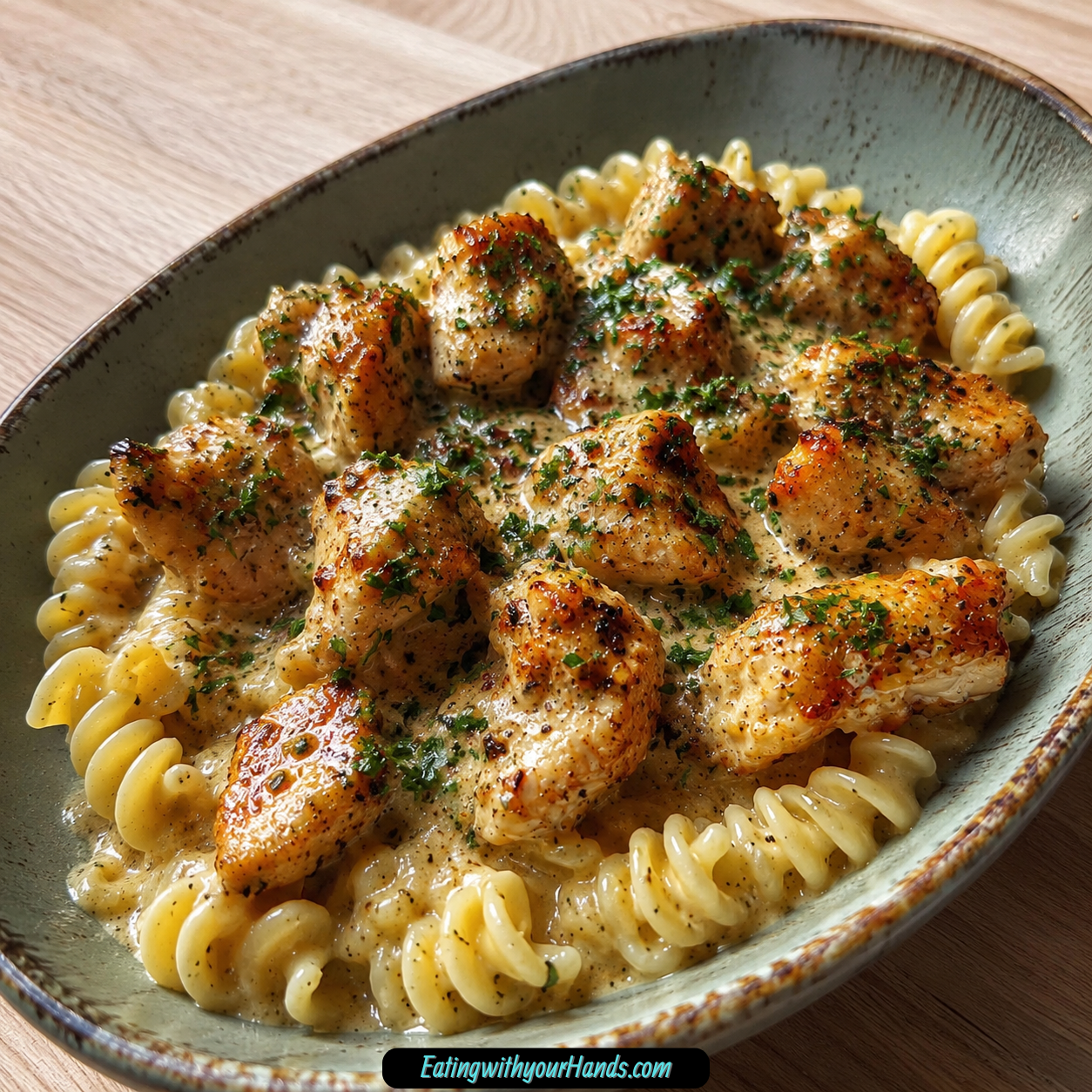
There are some dinners that do not need a long list of complicated ingredients to feel memorable. Pepperoncini Chicken Skillet is one of those dishes: simple enough for a weeknight, flavorful enough for company, and comforting enough to make the whole kitchen feel warmer.
Every time this skillet starts to simmer, the aroma of chicken, garlic, onion, and tangy pepperoncini fills the air in the best way. It is the kind of smell that makes people wander into the kitchen before dinner is even ready.
This dish has a beautiful balance of flavors. The chicken is tender and juicy, the sauce is creamy and savory, and the pepperoncini adds that bright, slightly spicy tang that keeps every bite interesting.
What makes it even better is how easy it is to prepare. Everything comes together in one skillet, which means less cleanup, less stress, and more time to actually enjoy the meal.
Serve it over cooked pasta or rice, and you have a complete dinner that feels hearty, cozy, and satisfying. The sauce clings beautifully to penne, rotini, or fluffy rice, making every forkful full of creamy, tangy flavor.
Table of Contents
- What Is Pepperoncini Chicken Skillet?
- Recipe Overview
- Why You’ll Love Pepperoncini Chicken Skillet
- Ingredients You’ll Need
- Ingredient Notes
- Ingredient Spotlight: Pepperoncini Peppers
- Directions
- Step 1: Prepare the Chicken
- Step 2: Season the Chicken
- Step 3: Prepare the Pepperoncini
- Step 4: Chop the Onion and Garlic
- Step 5: Heat the Skillet
- Step 6: Brown the Chicken
- Step 7: Flip and Finish Cooking the Chicken
- Step 8: Sauté the Onion
- Step 9: Add the Garlic
- Step 10: Return the Chicken to the Skillet
- Step 11: Add the Pepperoncini
- Step 12: Pour in the Chicken Broth
- Step 13: Add the Heavy Cream
- Step 14: Season the Sauce
- Step 15: Simmer the Skillet
- Step 16: Adjust the Sauce Consistency
- Step 17: Taste and Finalize the Seasoning
- Step 18: Garnish With Fresh Parsley
- Step 19: Serve Over Pasta or Rice
- Pro Tip
- Variations
- Serving Suggestions
- Storage Tips
- Freezing Tips
- Reheating Tips
- Make-Ahead Tips
- Common Mistakes to Avoid
- Helpful Notes
- Frequently Asked Questions
- Final Thoughts
- Pepperoncini Chicken Skillet
What Is Pepperoncini Chicken Skillet?
Pepperoncini Chicken Skillet is a one-pan chicken dinner made with bite-sized pieces of boneless, skinless chicken breast simmered in a creamy sauce with chopped pepperoncini peppers, onion, garlic, chicken broth, heavy cream, Italian seasoning, and a touch of red pepper flakes. It is flavorful, slightly spicy, tangy, rich, and comforting all at once.
The pepperoncini peppers are what make this dish stand out. They bring a bright, zesty flavor that cuts through the richness of the cream and makes the sauce taste lively instead of heavy.
This recipe is perfect for busy weeknights because it takes only about 40 minutes from start to finish. It is also special enough for a relaxed weekend meal when you want something homemade but not overly complicated.
Because everything cooks in one skillet, the flavors build naturally. The chicken browns first, the onion and garlic cook in the same pan, and the sauce comes together with all those savory bits still in the skillet.
Recipe Overview
Prep Time: 10 minutes
Cook Time: 30 minutes
Total Time: 40 minutes
Servings: 4 people
This recipe is designed to be practical and comforting. You cut the chicken into cubes, brown it in olive oil, cook the aromatics, build a creamy pepperoncini sauce, and serve everything over pasta or rice.
It feels like the kind of meal you would make when you want something cozy but not boring. The pepperoncini gives it personality, while the cream and chicken broth make it smooth and satisfying.
Why You’ll Love Pepperoncini Chicken Skillet
It Is a True One-Pan Dinner
One-pan meals are always welcome on busy nights. This recipe keeps the process simple because the chicken, onions, garlic, peppers, and sauce all come together in the same skillet.
That also means the flavors are layered naturally. Every step leaves something delicious behind in the pan, and the sauce picks it all up as it simmers.
It Is Ready in 40 Minutes
With 10 minutes of prep and 30 minutes of cooking, this meal fits easily into a weeknight routine. You can make it without needing to plan your whole day around dinner.
Even though it cooks quickly, it does not taste rushed. The simmering time gives the sauce a chance to thicken and allows the pepperoncini to infuse the chicken with tangy flavor.
It Uses Simple Ingredients
This recipe uses approachable ingredients like chicken breast, onion, garlic, chicken broth, cream, and Italian seasoning. The pepperoncini peppers make it unique, but they are still easy to use.
You do not need anything fancy to create a flavorful meal. A few fresh ingredients and pantry staples are enough to make a dish that feels complete.
It Is Beginner-Friendly
The method is straightforward and easy to follow. You brown the chicken, sauté the onion and garlic, stir in the sauce ingredients, and let everything simmer.
Even if you are still building confidence in the kitchen, this recipe is forgiving. The sauce brings everything together, and the steps are clear enough to follow without stress.
It Is Great for Family Dinners
This skillet has the kind of flavor that feels cozy and inviting. The chicken is tender, the sauce is creamy, and the pepperoncini gives it a little kick without making it overwhelming.
It is also easy to serve. Spoon it over pasta or rice, garnish with parsley, and bring it to the table while it is warm.
It Works for Gatherings
Pepperoncini Chicken Skillet is simple enough to make casually, but flavorful enough to serve to guests. The creamy sauce and bright pepperoncini flavor make it feel more interesting than a plain chicken dinner.
It is a low-stress option for casual get-togethers. You can make it in one skillet and serve it family-style over pasta, rice, or another base.
It Is Meal-Prep Friendly
This dish stores well in the refrigerator and reheats nicely with a little extra broth. That makes it useful for lunches, busy evenings, or make-ahead dinners.
The sauce may thicken as it sits, but that is easy to fix. Just add a splash of chicken broth while reheating and stir gently until creamy again.
Ingredients You’ll Need
1.5 lbs boneless, skinless chicken breasts, cut into 1-inch cubes
1 jar pepperoncini peppers, 16 ounces, drained and roughly chopped
¼ cup reserved pepperoncini juice
1 medium yellow onion, chopped
4 cloves garlic, minced
2 tablespoons extra virgin olive oil
½ cup low-sodium chicken broth
½ cup heavy cream
1 tablespoon Italian seasoning
¼ teaspoon red pepper flakes, or more to taste
½ teaspoon salt, or to taste
¼ teaspoon black pepper, or to taste
2 tablespoons chopped fresh parsley, for garnish
Cooked pasta or rice, as needed, such as penne or rotini, for serving
Ingredient Notes
Chicken Breasts
Boneless, skinless chicken breasts work well because they cook quickly and absorb the sauce beautifully. Cutting them into 1-inch cubes helps each piece cook evenly.
Try to keep the pieces close in size. This prevents some pieces from overcooking while others are still underdone.
Pepperoncini Peppers
Pepperoncini peppers are the star ingredient in this skillet. They bring tanginess, mild heat, and a bright flavor that lifts the entire sauce.
Drain and roughly chop the peppers before adding them to the skillet. Be sure to reserve ¼ cup of the juice, because it adds extra tang and depth to the sauce.
Yellow Onion
A medium yellow onion adds sweetness and body to the skillet. When sautéed, it softens and blends into the creamy sauce.
Chop the onion into small pieces so it cooks evenly. The goal is for it to become tender and fragrant without overpowering the dish.
Garlic
Fresh garlic gives the sauce warmth and savory depth. Four cloves may sound generous, but it works beautifully with the cream, broth, and peppers.
Garlic cooks quickly, so keep an eye on it. Burned garlic can become bitter, while gently cooked garlic tastes rich and aromatic.
Extra Virgin Olive Oil
Extra virgin olive oil is used to brown the chicken and sauté the aromatics. It adds flavor while helping the chicken develop a golden exterior.
Let the oil heat until it shimmers before adding the chicken. That first contact with the hot skillet helps create better browning.
Low-Sodium Chicken Broth
Chicken broth forms the savory base of the sauce. A low-sodium option gives you more control over the final seasoning.
The broth also helps loosen the creamy sauce if it becomes too thick. Keep a little extra nearby when reheating leftovers.
Heavy Cream
Heavy cream makes the sauce rich, smooth, and comforting. It balances the acidity of the pepperoncini and gives the dish a silky texture.
For a lighter option, half-and-half can be used. For a dairy-free version, coconut cream can work, though it may slightly change the flavor.
Italian Seasoning
Italian seasoning adds herb flavor without extra chopping. It pairs naturally with chicken, garlic, onion, and cream.
If you enjoy fresher herbal notes, you can also add fresh basil or oregano. Those herbs work especially well as finishing touches.
Red Pepper Flakes
Red pepper flakes add a gentle background heat. The recipe calls for ¼ teaspoon, but you can increase the amount if you prefer more spice.
Start small if you are sensitive to heat. Pepperoncini already adds a mild kick, so the flakes are there to enhance rather than overpower.
Fresh Parsley
Chopped fresh parsley adds color and freshness right before serving. It gives the finished skillet a bright, inviting look.
A small garnish can make the dish feel more complete. It also balances the creamy sauce with a light herbal finish.
Pasta or Rice
Cooked pasta or rice turns this skillet into a full meal. Penne and rotini are great choices because they catch the sauce well.
Rice is a good option if you want something simple or gluten-free. The creamy sauce soaks into it beautifully.
Ingredient Spotlight: Pepperoncini Peppers
Pepperoncini peppers are what give this chicken skillet its personality. Their flavor is tangy, slightly spicy, and gently briny, which makes them perfect for waking up a creamy sauce.
Without the pepperoncini, this would still be a nice creamy chicken skillet. With them, it becomes memorable.
The reserved pepperoncini juice is just as important as the chopped peppers. A splash of that juice adds brightness and helps the sauce taste balanced.
If you cannot find pepperoncini, banana peppers can offer a similar tangy flavor. Jalapeños can also work if you want more heat, though they will make the dish spicier and less mild.
Directions
Step 1: Prepare the Chicken
Start by placing the boneless, skinless chicken breasts on a clean cutting board. Cut them into 1-inch cubes so they cook quickly and evenly.
Uniform pieces are important in this recipe. If the pieces are too different in size, some may dry out before the others are fully cooked.
Pat the chicken dry with paper towels if there is extra moisture. This helps the chicken brown better when it hits the hot skillet.
Step 2: Season the Chicken
Sprinkle the chicken cubes with a pinch of salt and black pepper. This simple seasoning helps bring out the natural flavor of the chicken before the sauce is added.
You do not need to fully season the entire dish at this stage. The pepperoncini, broth, Italian seasoning, and cream will add more flavor later.
Toss the chicken lightly so the salt and pepper touch each piece. This helps the chicken taste seasoned from the inside of the dish, not just from the sauce.
Step 3: Prepare the Pepperoncini
Drain the jar of pepperoncini peppers, but reserve ¼ cup of the juice. That juice will be used later to add extra tanginess to the skillet.
Roughly chop the drained peppers into bite-sized pieces. They should be small enough to blend into the sauce but still noticeable in each serving.
Set both the chopped pepperoncini and the reserved juice aside. Having them ready makes the cooking process smooth once the skillet is hot.
Step 4: Chop the Onion and Garlic
Chop 1 medium yellow onion into small pieces. The onion will soften in the skillet and create a savory base for the sauce.
Mince 4 cloves of garlic finely. The smaller the garlic is, the more evenly it will flavor the dish.
Keep the onion and garlic separate for now. The onion needs a few minutes to cook, while the garlic should be added later so it does not burn.
Step 5: Heat the Skillet
Place a large skillet over medium heat and add 2 tablespoons of extra virgin olive oil. Let the oil warm until it shimmers lightly.
The skillet should be hot enough to brown the chicken, but not so hot that the oil smokes. Medium heat gives you more control.
A large skillet is best because it gives the chicken room to brown. Crowding the pan can make the chicken steam instead of sear.
Step 6: Brown the Chicken
Add the seasoned chicken cubes to the skillet in a single layer. Let them cook undisturbed for about 5 to 7 minutes so they can develop a golden surface.
Try not to stir too early. Giving the chicken time against the pan helps create flavor and texture.
If your skillet is too small, cook the chicken in batches. This extra step is worth it because browned chicken adds more depth to the finished dish.
Step 7: Flip and Finish Cooking the Chicken
Turn the chicken pieces and cook for another 5 minutes, or until they are cooked through and no longer pink in the center. The pieces should look golden and juicy.
Avoid overcooking the chicken at this stage. It will return to the skillet later and simmer briefly in the sauce.
Once cooked, remove the chicken from the skillet and place it on a plate. Keep any flavorful bits in the skillet because they will help season the sauce.
Step 8: Sauté the Onion
Add the chopped yellow onion to the same skillet. Stir it into the remaining oil and browned bits from the chicken.
Cook for about 3 to 4 minutes, or until the onion becomes translucent and fragrant. It should soften without becoming too dark.
This step gives the sauce a savory foundation. The onion absorbs flavor from the skillet and adds a gentle sweetness.
Step 9: Add the Garlic
Add the minced garlic to the skillet with the softened onion. Stir constantly for about 1 minute.
The garlic should become fragrant but not brown deeply. If it burns, it can make the sauce taste bitter.
This is the moment when the kitchen starts to smell especially inviting. Garlic, onion, and chicken drippings create a rich base for the sauce.
Step 10: Return the Chicken to the Skillet
Place the cooked chicken back into the skillet. Stir it together with the onion and garlic so the flavors begin to combine.
Any juices from the plate can go back into the skillet as well. Those juices add flavor and moisture to the sauce.
Make sure the chicken is spread evenly in the pan. This helps every piece get coated once the sauce is added.
Step 11: Add the Pepperoncini
Stir in the roughly chopped pepperoncini peppers. Let them mix with the chicken, onion, and garlic.
The peppers add tangy brightness immediately. Their flavor will soften slightly as they simmer in the cream and broth.
At this point, you can also add a splash of the reserved pepperoncini juice if you want a stronger tang. The full ¼ cup can be used for extra flavor, depending on your taste.
Step 12: Pour in the Chicken Broth
Add ½ cup of low-sodium chicken broth to the skillet. Stir gently, scraping the bottom of the pan to lift any browned bits.
Those bits are full of flavor. The broth helps dissolve them into the sauce instead of leaving them behind.
Let the broth warm through before adding the cream. This helps the sauce come together more smoothly.
Step 13: Add the Heavy Cream
Pour in ½ cup of heavy cream and stir slowly. The sauce will begin to look creamy and slightly pale.
The cream balances the tanginess of the pepperoncini and gives the skillet a comforting texture. It also helps the sauce cling to pasta or rice.
Keep the heat at a gentle level. You want the sauce to simmer, not boil aggressively.
Step 14: Season the Sauce
Add 1 tablespoon of Italian seasoning, ¼ teaspoon of red pepper flakes, ½ teaspoon of salt, and ¼ teaspoon of black pepper. Stir until the seasoning is evenly distributed.
Taste carefully before adding more salt. Pepperoncini and broth can both bring saltiness, so it is better to adjust gradually.
If you like more heat, add extra red pepper flakes. If you prefer a milder skillet, keep the amount as written.
Step 15: Simmer the Skillet
Bring the mixture to a gentle simmer. Let it cook for about 10 minutes so the sauce can thicken and the flavors can meld.
Stir occasionally to prevent sticking and to keep the chicken coated. The sauce should become creamy, tangy, and slightly reduced.
Do not rush this simmering step. These 10 minutes are what allow the pepperoncini, cream, broth, garlic, and chicken to come together.
Step 16: Adjust the Sauce Consistency
If the sauce becomes too thick, add a small splash of chicken broth. Stir until it loosens to your preferred consistency.
If the sauce seems too thin, let it simmer a little longer. It will continue to thicken as it cooks.
The ideal texture should coat the chicken nicely while still being spoonable over pasta or rice. You want enough sauce to soak into the base.
Step 17: Taste and Finalize the Seasoning
Taste the sauce before serving. Add more salt, black pepper, red pepper flakes, or reserved pepperoncini juice if needed.
This final adjustment is important because every jar of pepperoncini and every broth can taste slightly different. Your taste should guide the final balance.
The finished flavor should be creamy, savory, tangy, and lightly spicy. It should feel bright but still comforting.
Step 18: Garnish With Fresh Parsley
Remove the skillet from the heat and sprinkle chopped fresh parsley over the top. The parsley adds color and freshness.
This simple garnish makes the dish look more vibrant. It also adds a gentle herbal note that balances the creamy sauce.
Serve the skillet while it is still warm. The sauce is best when freshly simmered and spooned over a soft base.
Step 19: Serve Over Pasta or Rice
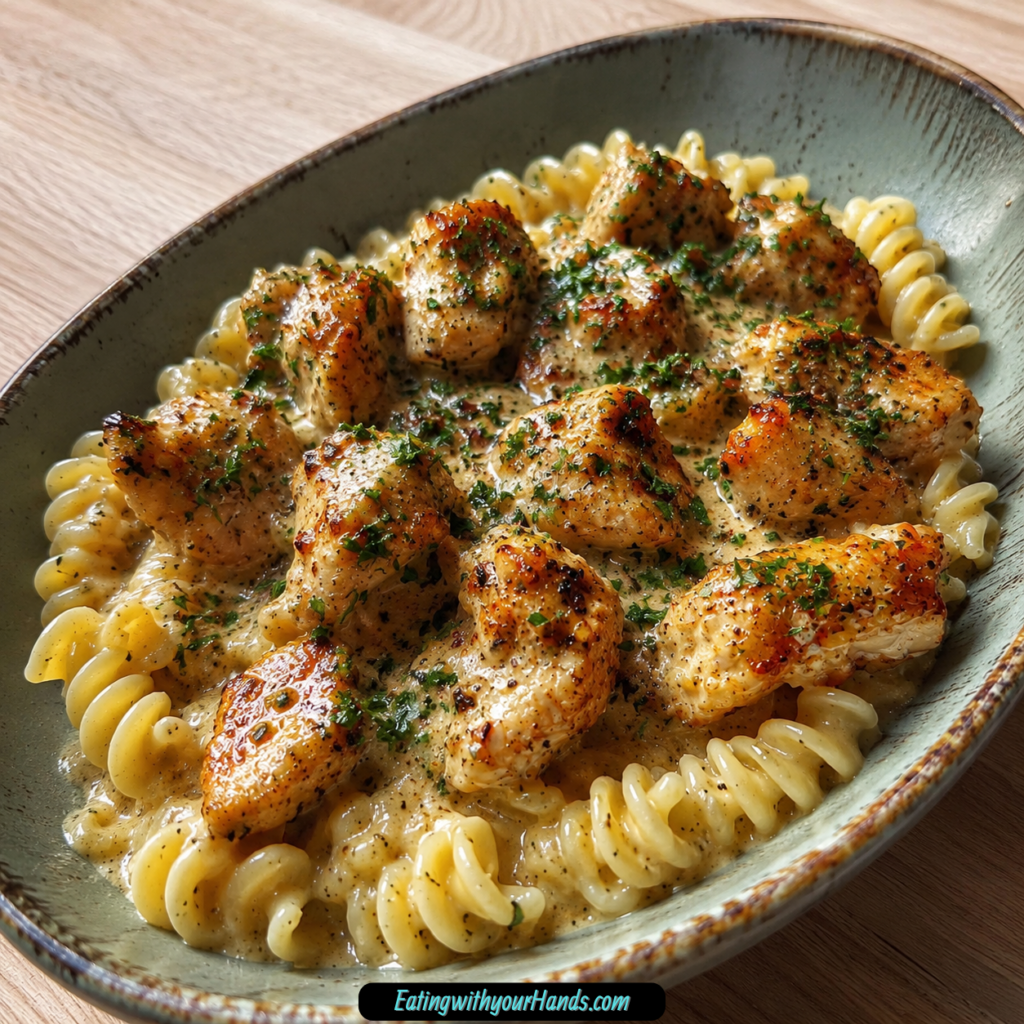
Spoon the Pepperoncini Chicken Skillet over cooked pasta or rice. Penne and rotini are especially good because they hold the sauce well.
Rice is another wonderful option, especially if you want something simple and comforting. The sauce soaks into the rice and makes every bite flavorful.
Serve immediately while the chicken is tender and the sauce is creamy. Add extra parsley if desired.
Pro Tip
For an extra layer of flavor, add a splash of the reserved pepperoncini juice directly into the sauce while it simmers. It deepens the tangy flavor and makes the pepperoncini taste more pronounced.
Start with a small amount if you are unsure. You can always add more, but you cannot take it back once it is in the sauce.
Variations
Add Extra Vegetables
Diced bell peppers or zucchini can be added for more color and texture. They work well with the creamy, tangy sauce.
Add them after the onion begins to soften. This gives them time to cook without becoming mushy.
Add Greens
Fresh spinach or kale can be stirred in near the end of cooking. The greens wilt quickly and add nutrition without much extra work.
Spinach will soften faster than kale. Add kale a little earlier if you want it more tender.
Make It Dairy-Free
Use coconut cream or cashew cream instead of heavy cream. This keeps the sauce creamy while avoiding dairy.
The flavor will change slightly depending on the substitute. Coconut cream may add a gentle sweetness, while cashew cream keeps things more neutral.
Add a Cheesy Finish
Top the skillet with shredded mozzarella cheese and broil until melted and golden. This turns the dish into a richer, more indulgent version.
Use an oven-safe skillet if you plan to broil. Watch carefully so the cheese melts without burning.
Serve It With Polenta
Instead of pasta or rice, serve the chicken over creamy polenta. The tangy sauce pairs beautifully with the soft texture.
This variation makes the meal feel cozy and slightly different. It is especially nice for relaxed weekend dinners.
Make It Spicier
Increase the red pepper flakes or add a few sliced jalapeños. This gives the skillet more heat and a bolder finish.
Use caution if serving to people who prefer mild food. You can always offer extra red pepper flakes at the table.
Use Chicken Thighs
Skin-on chicken thighs can be used for extra flavor and moisture. They may take longer to cook, but they bring a richer taste.
Boneless chicken thighs can also work well. They stay tender and pair nicely with the tangy sauce.
Serving Suggestions
Serve With Pasta
Penne, rotini, or another sturdy pasta shape makes a perfect base. The sauce gets caught in the ridges and curves, making every bite flavorful.
Cook the pasta separately and spoon the chicken mixture over the top. This keeps the pasta from absorbing too much sauce too quickly.
Serve With Rice
White rice, brown rice, or another cooked rice works beautifully. Rice softens the tang of the pepperoncini and makes the meal feel extra comforting.
This is also a great gluten-free serving option. Just make sure all other ingredients are gluten-free as needed.
Serve With Garlic Bread
Garlic bread is a wonderful side for this skillet. It is perfect for scooping up extra sauce.
The buttery garlic flavor pairs naturally with the creamy pepperoncini chicken. It makes the meal feel hearty and complete.
Serve With a Green Salad
A crisp green salad balances the richness of the cream sauce. A simple salad with fresh vegetables is enough.
The freshness of the salad keeps the meal from feeling too heavy. It is a great option for family dinners or casual guests.
Storage Tips
Store leftovers in an airtight container in the refrigerator for up to 3 days. Let the chicken cool before sealing the container.
The sauce may thicken after chilling. This is normal because the cream and chicken juices settle as the dish rests.
When reheating, add a splash of chicken broth or water to loosen the sauce. Stir gently until it becomes creamy again.
Freezing Tips
Pepperoncini Chicken Skillet can be frozen for up to 1 month. Cool it completely before transferring it to a freezer-safe container.
For best results, freeze the chicken and sauce without pasta or rice. Freshly cooked pasta or rice will have a better texture when serving.
Thaw overnight in the refrigerator before reheating. Warm gently on the stovetop and add a little broth if needed.
Reheating Tips
Reheat leftovers on the stovetop over low or medium-low heat. Stir occasionally so the sauce warms evenly.
If the sauce is too thick, add a splash of chicken broth. This helps restore the creamy texture.
You can also reheat it in the microwave. Use short intervals and stir between each one to avoid overheating the cream sauce.
Make-Ahead Tips
You can make the full skillet up to 2 days ahead and store it in the refrigerator. Reheat gently before serving.
You can also prep the ingredients ahead of time. Cut the chicken, chop the onion, mince the garlic, and chop the pepperoncini so cooking is faster later.
For the freshest texture, cook pasta or rice right before serving. This keeps the base from becoming too soft.
Common Mistakes to Avoid
Overcrowding the Skillet
If too much chicken is added at once, it may steam instead of brown. Browning adds flavor, so give the chicken enough space.
Cook in batches if needed. It takes a little longer, but the final dish tastes better.
Burning the Garlic
Garlic can burn quickly if the skillet is too hot or if it cooks too long. Add it after the onion has softened and stir often.
Cook it just until fragrant. That keeps the flavor warm and savory instead of bitter.
Forgetting the Pepperoncini Juice
The reserved pepperoncini juice adds extra tang and depth. It is a small detail that makes the sauce more flavorful.
Do not pour all the jar liquid away before saving ¼ cup. Set it aside as soon as you drain the peppers.
Rushing the Simmer
The sauce needs about 10 minutes to come together. This simmering time helps the chicken absorb flavor and allows the sauce to thicken.
If you stop too early, the sauce may taste less developed. Give it time to become creamy and balanced.
Adding Too Much Salt Too Early
Pepperoncini and broth can already be salty. Add salt gradually and taste near the end.
This helps avoid an overly salty sauce. You can always add more after the flavors simmer.
Letting the Sauce Boil Too Hard
Heavy cream does best over gentle heat. A hard boil can affect the texture of the sauce.
Keep the skillet at a gentle simmer. This gives you a smoother, creamier result.
Helpful Notes
For a gluten-free version, serve the chicken over rice instead of pasta. Also check that your broth and seasonings are gluten-free.
For extra depth, add a splash of white wine when cooking the onions. Let it reduce slightly before adding the chicken back to the skillet.
Fresh basil or oregano can be added near the end for more herbal flavor. These herbs pair beautifully with pepperoncini and cream.
For a spicier dish, increase the red pepper flakes. You can also add extra pepperoncini juice for more tang.
For a lighter version, use half-and-half instead of heavy cream. The sauce will be less rich but still creamy.
Frequently Asked Questions
Can Pepperoncini Chicken Skillet Be Frozen?
Yes, this dish can be frozen for up to 1 month. Let it cool completely before placing it in an airtight freezer-safe container.
When ready to eat, thaw it overnight in the refrigerator. Reheat gently on the stovetop and add a splash of chicken broth if the sauce needs loosening.
Can I Substitute the Pepperoncini Peppers?
Yes, banana peppers can work well if pepperoncini are not available. They have a similar tangy flavor and mild heat.
Jalapeños can also be used if you prefer a spicier dish. Keep in mind that they will make the flavor sharper and hotter.
Can I Use Half-and-Half Instead of Heavy Cream?
Yes, half-and-half can be used for a lighter sauce. It will not be quite as rich, but it will still create a creamy texture.
Be careful not to boil it aggressively. Gentle heat helps keep the sauce smooth.
Can I Make This Dish Dairy-Free?
Yes, coconut cream or cashew cream can replace heavy cream. Both options help keep the sauce creamy.
The flavor may change slightly depending on the substitute. Coconut cream can add a mild sweetness, while cashew cream has a more neutral taste.
How Do I Store Leftovers?
Store leftovers in an airtight container in the refrigerator for up to 3 days. Let the dish cool before sealing it.
Reheat gently and add a small amount of broth or water if the sauce has thickened. This helps bring back the creamy consistency.
Can This Recipe Be Made Ahead?
Yes, you can make Pepperoncini Chicken Skillet ahead and refrigerate it for up to 2 days before serving. Reheat it gently on the stove.
You can also prepare the ingredients ahead of time and cook the dish fresh. That is a great option when you want the best texture.
What Should I Serve It With?
This skillet is delicious over pasta or rice. Penne and rotini are especially good pasta choices because they hold the sauce well.
You can also serve it with garlic bread, a crisp green salad, or even polenta. The creamy sauce works with many simple sides.
How Can I Make the Sauce Thicker?
Let the sauce simmer a little longer if it seems too thin. Stir occasionally as it reduces.
If it becomes too thick, add a splash of chicken broth. This recipe is easy to adjust based on your preferred texture.
Final Thoughts
Pepperoncini Chicken Skillet is the kind of dinner that proves comfort food can be simple and full of personality. It takes everyday ingredients like chicken, onion, garlic, broth, and cream, then gives them a bright, tangy lift with pepperoncini peppers.
The result is creamy, savory, slightly spicy, and deeply satisfying. It feels cozy enough for a family weeknight meal but flavorful enough to share with guests.
I love that this recipe comes together in one skillet and can be served over pasta or rice. It is practical, hearty, and easy to make again and again.
Most of all, it has that special quality that makes people gather around the table. The tangy sauce, tender chicken, and warm aroma turn an ordinary dinner into something that feels inviting and memorable.
Serve it hot, garnish it with fresh parsley, and let the sauce soak into your favorite pasta or rice. Every bite is creamy, zesty, comforting, and made for sharing.
Pepperoncini Chicken Skillet
This Pepperoncini Chicken Skillet is a bold, tangy, and creamy one-pan dinner made with tender chicken, chopped pepperoncini peppers, garlic, onion, Italian seasoning, and a rich pepperoncini cream sauce. Serve it over pasta or rice for a flavorful Italian-American meal that works well for busy weeknights or casual gatherings.
Recipe Information
- Prep Time: 10 minutes
- Cook Time: 30 minutes
- Total Time: 40 minutes
- Course: Dinner
- Cuisine: Italian-American
- Servings: 4 people
- Calories: 450 kcal
Equipment
- Skillet
- Cutting board
Ingredients
For the Chicken
- 1.5 lbs boneless, skinless chicken breasts, cut into 1-inch cubes
Creates the tender, protein-rich base for the skillet meal.
For the Sauce
- ½ cup heavy cream
Adds richness and gives the sauce a smooth, creamy texture. - ¼ teaspoon red pepper flakes, or more, to taste
Adds gentle heat and can be adjusted for extra spice. - 4 cloves garlic, minced
Brings savory depth and aroma to the sauce. - 1 tablespoon Italian seasoning
Adds classic herb flavor to the chicken and sauce. - 2 tablespoons chopped fresh parsley, for garnish
Adds freshness and color before serving. - 1 jar pepperoncini peppers, 16 ounces, drained and roughly chopped, reserve ¼ cup of the juice
Gives the dish its tangy, slightly spicy signature flavor. - ½ teaspoon salt, or to taste
Enhances the flavor of the chicken and sauce. - 2 tablespoons extra virgin olive oil
Used to brown the chicken and sauté the aromatics. - ¼ teaspoon black pepper, or to taste
Adds mild warmth and balances the creamy sauce. - 1 medium yellow onion, chopped
Adds sweetness and depth as it cooks. - ½ cup low-sodium chicken broth
Helps create the savory base of the sauce.
For Serving
- As needed cooked pasta or rice, such as penne or rotini
Makes the skillet into a complete, filling meal.
Instructions
- Heat the extra virgin olive oil in a skillet over medium heat.
- Add the chicken cubes and cook until browned on the outside and cooked through.
- Add the chopped yellow onion and minced garlic to the skillet.
- Sauté until the onion becomes soft and translucent.
- Stir in the chopped pepperoncini peppers, reserved pepperoncini juice, low-sodium chicken broth, heavy cream, Italian seasoning, red pepper flakes, salt, and black pepper.
- Bring the mixture to a gentle simmer.
- Cook for about 10 minutes, stirring occasionally, until the sauce thickens slightly and the flavors come together.
- Garnish with chopped fresh parsley.
- Serve warm over cooked pasta or rice.
Notes
- This dish is a great option for a quick weeknight dinner or a casual weekend meal.
- Add more red pepper flakes if you prefer a spicier sauce.
- Penne, rotini, or rice all work well because they hold the creamy pepperoncini sauce nicely.

Fernando is the creator and writer behind the food blog Eating with your Hands. Living and working in cities like Paris, Barcelona, and Berlin, and being married to a Canadian foodie, has given Fernando a passion and interest in food and inspired him to run EWYH.