
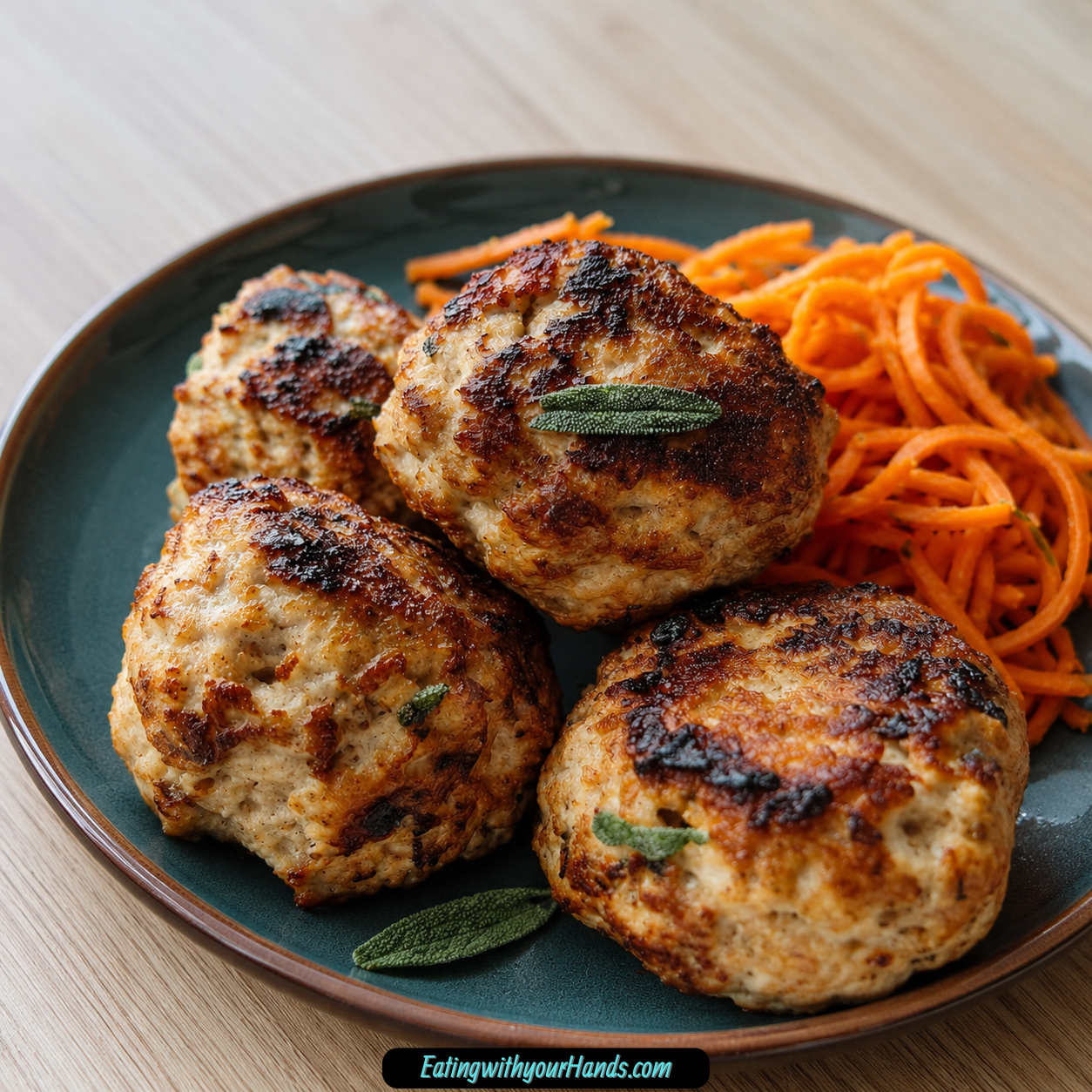
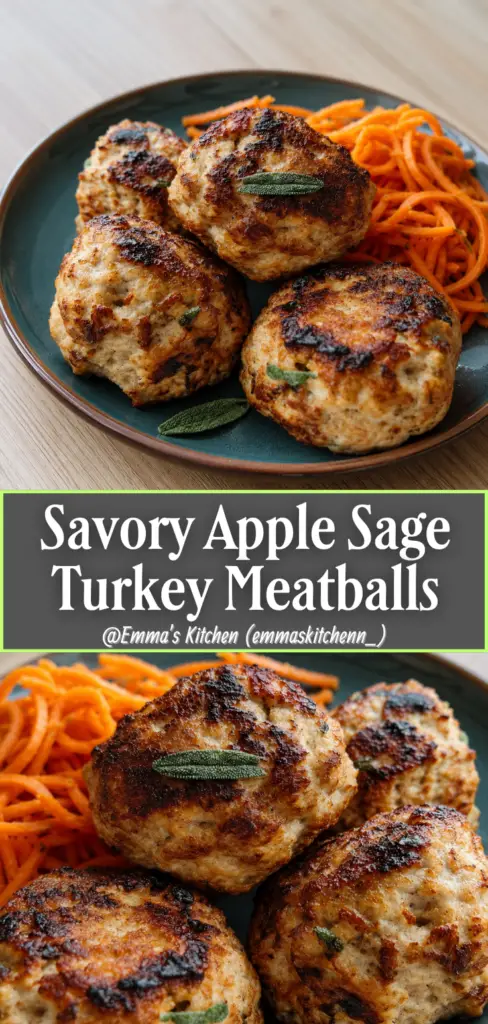
Savory Apple Sage Turkey Meatballs are the kind of recipe that makes an ordinary dinner feel like it quietly stepped into autumn. They are juicy, tender, lightly sweet from grated apple, earthy from fresh sage, and savory enough to feel satisfying without being heavy.
This is the kind of dish that can easily become part of a holiday table, especially when you want something lighter than the usual rich sides. At the same time, these meatballs are simple enough for a regular weeknight, the kind of dinner you can make on a random Tuesday and still feel like you did something thoughtful.
The flavor combination is what makes them memorable. Ground turkey gives the meatballs a lean, mild base, grated apple keeps them moist, sage adds that unmistakable fall aroma, and a tiny pinch of allspice brings warmth without taking over.
I love recipes that feel cozy but still practical. These turkey meatballs have that balance because they taste special, but they are made with simple ingredients and cooked right in a skillet.
They are also naturally gluten-free when made with almond flour. That means you get a tender binder without using regular breadcrumbs, and no one at the table has to feel like they are eating a compromise.
Serve them over mashed potatoes, with buttery polenta, in a salad, inside pita pockets, or straight from the pan when nobody is watching. These meatballs are flexible, flavorful, and easy to love.
Table of Contents
- Why You’ll Love Apple Sage Turkey Meatballs
- A Cozy Meatball Recipe with Apple and Sage
- Recipe Details
- Ingredients for Savory Apple Sage Turkey Meatballs
- Ground Turkey
- Apple
- Egg
- Garlic
- Almond Flour
- Fresh Sage
- White Ground Pepper
- Onion Powder
- Fine Sea Salt
- Allspice
- Avocado Oil
- Ingredient Notes and Helpful Swaps
- Before You Start
- Directions for Apple Sage Turkey Meatballs
- Step 1: Prepare the Apple
- Step 2: Prepare the Garlic
- Step 3: Chop the Sage
- Step 4: Beat the Egg
- Step 5: Add the Turkey to a Bowl
- Step 6: Add the Grated Apple
- Step 7: Add the Beaten Egg
- Step 8: Add the Garlic
- Step 9: Add the Almond Flour
- Step 10: Add the Fresh Sage
- Step 11: Add the White Pepper
- Step 12: Add the Onion Powder
- Step 13: Add the Salt
- Step 14: Add the Allspice
- Step 15: Mix by Hand
- Step 16: Avoid Overmixing
- Step 17: Check the Texture
- Step 18: Portion the Meatballs
- Step 19: Roll Gently
- Step 20: Heat the Oil
- Step 21: Test the Oil
- Step 22: Add the Meatballs
- Step 23: Work in Batches If Needed
- Step 24: Brown the First Side
- Step 25: Turn Carefully
- Step 26: Brown the Other Side
- Step 27: Do Not Panic About Caramelized Apple
- Step 28: Check the Meatballs
- Step 29: Rest the Meatballs
- Step 30: Serve Warm
- Baked Apple Sage Turkey Meatballs Option
- Tips for Success
- Variations to Try
- Serving Suggestions
- Storage Tips
- Freezing Tips
- Reheating Tips
- Make-Ahead Tips
- Helpful Notes for Perfect Apple Sage Turkey Meatballs
- Troubleshooting Apple Sage Turkey Meatballs
- Frequently Asked Questions About Apple Sage Turkey Meatballs
- Final Thoughts
- Apple Sage Turkey Meatballs
Why You’ll Love Apple Sage Turkey Meatballs
You will love these Apple Sage Turkey Meatballs because they are lean but still juicy. The ground turkey keeps the recipe lighter, while the grated apple helps prevent the meatballs from drying out.
They have a beautiful sweet-savory balance. The apple brings gentle sweetness, while garlic, sage, onion powder, white pepper, salt, and allspice make the flavor warm and savory.
They are meal-prep friendly. You can make a double batch, refrigerate leftovers, or freeze them for quick dinners later.
They are also great for families. The subtle sweetness from the apple makes them approachable, and their small size makes them easy for kids or toddlers to enjoy as finger food.
The fresh sage gives them a cozy, holiday-style flavor. It is not just background seasoning; it really works with the apple to make the meatballs taste distinctive.
They are versatile enough to serve in many ways. You can make them comforting with mashed potatoes, lighter with salad, or casual with pita and Greek yogurt.
A Cozy Meatball Recipe with Apple and Sage
Turkey meatballs can sometimes have a reputation for being dry, but this recipe solves that problem with grated apple. The apple melts into the mixture and brings moisture without leaving big chunks behind.
The sage gives the meatballs an earthy, fragrant flavor. It makes the recipe taste like something you would want on a chilly evening or around a holiday table.
Almond flour helps hold the mixture together. It keeps the meatballs gluten-free and tender while still giving the mixture enough structure to roll.
The seasonings are simple but thoughtful. Garlic gives bite, onion powder adds depth, white pepper adds warmth, sea salt balances everything, and allspice gives just a tiny hint of cozy spice.
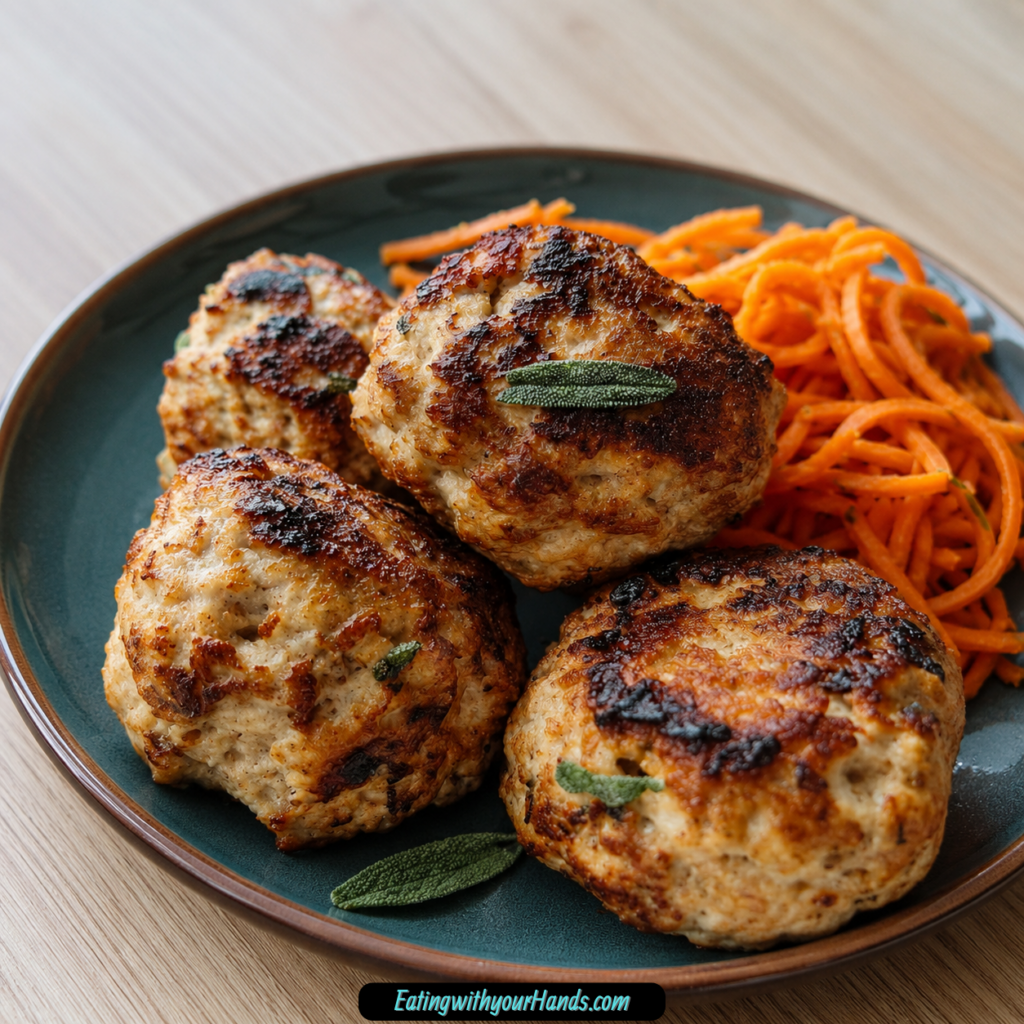
Cooking them in avocado oil gives the edges a golden crust. Those crispy edges contrast beautifully with the juicy center.
The meatballs rest for a couple of minutes after cooking. That short pause helps them firm slightly and keeps the juices from running out too quickly when served.
Recipe Details
- Recipe Name: Savory Apple Sage Turkey Meatballs
- Recipe Style: Turkey meatballs with grated apple, sage, and warm spices
- Main Protein: 1 lb ground turkey
- Binder: 1 beaten egg and 3 tablespoons almond flour
- Moisture Ingredient: 1 medium peeled and grated apple
- Herb Flavor: 1 tablespoon fresh sage, finely chopped
- Cooking Method: Pan-fried in a skillet
- Cooking Oil: 1 tablespoon avocado oil or olive oil
- Meatball Size: About 1 1/2 tablespoons each, slightly smaller than a golf ball
- Skillet Heat: Medium heat
- Cook Time: About 4 to 5 minutes per side
- Rest Time: 2 minutes off the heat before serving
- Baked Option: Bake at 400°F on a parchment-lined sheet for 20 to 25 minutes, flipping halfway
- Mini Meatball Option: Make teaspoon-sized meatballs and cook 2 to 3 minutes per side
- Refrigerator Storage: Airtight container for up to 4 days
- Freezer Storage: Freeze solid in a single layer, then transfer to a freezer bag for up to 3 months
- Reheating: 350°F oven for 10 to 15 minutes, adding 5 extra minutes from frozen, or microwave for a quick fix
Ingredients for Savory Apple Sage Turkey Meatballs
The ingredients in this recipe are simple, but each one matters. Turkey creates the lean base, apple adds moisture and sweetness, sage brings fall flavor, and almond flour keeps the texture tender while helping everything hold together.
Ground Turkey
You need 1 lb ground turkey. Light or dark meat can be used, and the source notes that a mix is preferred for extra juiciness.
Ground turkey is mild, which makes it a good base for apple, sage, garlic, and warm spices. It lets those autumn flavors come through without overpowering them.
If your store only has lean turkey breast, the ingredient notes suggest adding a splash of olive oil to the mixture. This helps keep the meatballs moist.
Apple
You need 1 medium apple, peeled and grated. Honeycrisp or Gala apples work well because they are sweet but not mushy.
The apple is one of the most important ingredients in this recipe. It keeps the meatballs juicy and adds a subtle sweetness that works beautifully with sage.
Use a grater so the apple blends into the meat mixture. Big chunks will not blend the same way, but fine shreds melt into the turkey as the meatballs cook.
Egg
You need 1 egg, beaten. The egg acts as a binder.
It helps hold the turkey, grated apple, almond flour, garlic, sage, and spices together. Without it, the meatballs would be more likely to fall apart.
Beating the egg before adding it helps it mix more evenly. This gives the meatball mixture better structure.
Garlic
You need 3 cloves garlic, minced. Fresh garlic is recommended.
Garlic adds savory depth and keeps the meatballs from tasting too sweet. It works with the sage, onion powder, and pepper to balance the apple.
The source specifically notes that fresh garlic is key. Mince it finely so it blends evenly through the mixture.
Almond Flour
You need 3 tablespoons almond flour. This helps bind the meatballs while keeping them gluten-free.
Almond flour also keeps the texture tender. It absorbs some moisture without making the meatballs heavy.
If you do not have almond flour, the source says breadcrumbs or oat flour work in a pinch using the same amount. Regular breadcrumbs, panko, or crushed gluten-free crackers can also work as variation options.
Fresh Sage
You need 1 tablespoon fresh sage, finely chopped. This is about 5 leaves.
Fresh sage gives the meatballs their earthy, fragrant flavor. It is one of the ingredients that makes the recipe taste cozy and seasonal.
The source notes that fresh sage really shines here. If using dried rubbed sage, use 1/2 teaspoon.
White Ground Pepper
You need 1 teaspoon white ground pepper. Black pepper can also work.
White pepper blends into the mixture more quietly. It adds warmth without visible specks.
If using black pepper, the flavor will still be delicious. Use what you have.
Onion Powder
You need 1 teaspoon onion powder. This adds quiet savory depth.
Onion powder spreads evenly through the mixture. It gives the meatballs more rounded flavor without needing chopped onion.
It works especially well with garlic and sage. Together, they make the turkey taste more flavorful.
Fine Sea Salt
You need 1/2 teaspoon fine sea salt, plus more to taste if desired. Salt brings all the flavors into balance.
The source notes adding a pinch extra is common. Taste and season based on preference.
Because the recipe has apple sweetness, salt is important. It keeps the meatballs savory and balanced.
Allspice
You need 1 pinch allspice. The amount is tiny, but it adds warmth.
Allspice should not dominate the meatballs. It is just enough to give a subtle fall flavor.
If you want a sweeter fall variation, the source mentions swapping allspice for cinnamon. Use that only if you want a slightly different flavor direction.
Avocado Oil
You need 1 tablespoon avocado oil. Olive oil can also be used.
The oil is used for frying the meatballs in a skillet. The source notes using something with a high smoke point for frying.
The oil helps the meatballs brown and develop crispy edges. Those edges are part of what makes them so good.
Ingredient Notes and Helpful Swaps
If you do not have almond flour, use breadcrumbs or oat flour in the same amount. The variations also mention panko and crushed gluten-free crackers.
If you do not have fresh sage, use 1/2 teaspoon dried rubbed sage. Fresh thyme or rosemary can also be used for a different herb flavor.
If you want to use a different apple, Fuji or Pink Lady can work. Avoid very tart apples like Granny Smith unless you want a tangier bite.
If you want more heat, add a pinch of red pepper flakes. If you want a sweeter fall flavor, swap allspice for cinnamon.
Before You Start
Before mixing, peel and grate the apple. Use fine shreds so the apple blends into the turkey rather than leaving large pieces.
Mince the garlic finely. Smaller pieces distribute better and keep the flavor even.
Chop the fresh sage finely. This helps the herb spread through the meatballs instead of clumping in one spot.
Beat the egg before adding it to the bowl. This helps bind the mixture evenly.
Have a large mixing bowl ready. The ingredients need enough space to come together without being overworked.
Directions for Apple Sage Turkey Meatballs
Step 1: Prepare the Apple
Peel 1 medium apple and grate it finely. Honeycrisp or Gala apples are especially good because they are sweet without being too soft.
Fine shreds are important because they blend into the turkey mixture. Large apple chunks will not melt into the meatballs the same way.
Step 2: Prepare the Garlic
Mince 3 cloves garlic. Keep the pieces small and even.
Fresh garlic gives the meatballs a stronger, cleaner flavor than jarred garlic. It adds savory balance to the sweetness of the apple.
Step 3: Chop the Sage
Finely chop 1 tablespoon fresh sage. This is about 5 leaves.
The sage should be small enough to distribute evenly through the turkey. Its earthy flavor is one of the main reasons these meatballs taste special.
Step 4: Beat the Egg
Crack 1 egg into a small bowl and beat it lightly. This makes it easier to mix into the turkey.
A beaten egg binds more evenly than an unbeaten one. It helps the meatballs hold together as they cook.
Step 5: Add the Turkey to a Bowl
Place 1 lb ground turkey in a large mixing bowl. Use a bowl with enough room to mix gently.
The turkey is the base of the meatballs. Keeping the bowl roomy helps prevent overmixing.
Step 6: Add the Grated Apple
Add the grated apple to the turkey. Include the juicy shreds because they help keep the meatballs moist.
Do not worry if the mixture looks a little wet. That moisture is part of what makes the cooked meatballs tender.
Step 7: Add the Beaten Egg
Pour the beaten egg into the bowl. Add it over the turkey and apple.
The egg helps bind the mixture. It works with the almond flour to hold the meatballs together.
Step 8: Add the Garlic
Add the minced garlic to the bowl. Scatter it over the mixture so it does not clump.
Garlic gives the meatballs savory flavor. It also helps balance the sweetness from the apple.
Step 9: Add the Almond Flour
Add 3 tablespoons almond flour. Sprinkle it evenly over the turkey mixture.
The almond flour helps bind the ingredients and keeps the meatballs gluten-free. It also absorbs just enough moisture to help with shaping.
Step 10: Add the Fresh Sage
Add the finely chopped sage. Spread it over the mixture.
Sage brings the cozy, earthy flavor that defines this recipe. It should be evenly mixed through every meatball.
Step 11: Add the White Pepper
Add 1 teaspoon white ground pepper. Black pepper can be used if that is what you have.
White pepper blends in nicely and gives gentle heat. It supports the savory side of the meatballs.
Step 12: Add the Onion Powder
Add 1 teaspoon onion powder. This gives the mixture a deeper flavor.
Onion powder is subtle but important. It makes the turkey taste more rounded and savory.
Step 13: Add the Salt
Add 1/2 teaspoon fine sea salt. You can add more to taste if desired.
Salt is what ties the apple, turkey, garlic, sage, and spices together. Add it carefully so the meatballs stay balanced.
Step 14: Add the Allspice
Add 1 pinch allspice. This small amount gives the meatballs warmth.
Do not add too much. The allspice should support the apple and sage, not overpower them.
Step 15: Mix by Hand
Use your hands to gently mix the ingredients together. A fork will not combine everything as evenly.
Mix only until the ingredients are just combined. Stop when you no longer see streaks of egg or almond flour.
Step 16: Avoid Overmixing
Do not squeeze or knead the meat mixture too much. Overworked turkey can become tough or rubbery.
The mixture should still look a little loose. That is perfectly fine and helps the meatballs stay tender.
Step 17: Check the Texture
The mixture should hold together when gently shaped. It may feel moist because of the grated apple.
If it feels too wet, add a small sprinkle of almond flour. Do not add too much because the juiciness is part of the recipe.
Step 18: Portion the Meatballs
Scoop about 1 1/2 tablespoons of mixture for each meatball. An ice cream scoop can help keep portions even.
The meatballs should be slightly smaller than a golf ball. Even sizes help them cook at the same pace.
Step 19: Roll Gently
Roll each portion gently between your palms. Do not pack the meatballs tightly.
They only need to hold their shape. A light touch keeps them tender.
Step 20: Heat the Oil
Add 1 tablespoon avocado oil to a large skillet. Heat over medium heat.
The oil should become hot enough to sizzle gently. Medium heat is important because too much heat can burn the outside before the center cooks.
Step 21: Test the Oil
Drop a tiny bit of the meatball mixture into the skillet. If it sizzles gently, the oil is ready.
If it does not sizzle, wait a little longer. If it sputters aggressively, reduce the heat slightly.
Step 22: Add the Meatballs
Add the meatballs in a single layer. Leave space between them.
Do not overcrowd the skillet. Crowding causes steaming instead of browning.
Step 23: Work in Batches If Needed
If all the meatballs do not fit comfortably, cook them in batches. Keep the uncooked meatballs nearby while the first batch browns.
Batches take a little more time, but the texture is better. Each meatball needs contact with the hot pan.
Step 24: Brown the First Side
Cook the meatballs for about 4 to 5 minutes on the first side. Let them develop a golden crust.
Do not move them too soon. They release more easily from the pan once browned.
Step 25: Turn Carefully
Use tongs to turn the meatballs carefully. Handle them gently so they do not break.
The meatballs are tender because of the apple and almond flour. A gentle turn protects their shape.
Step 26: Brown the Other Side
Cook for another 4 to 5 minutes on the other side. Continue turning as needed until they are deeply golden and firm to the touch.
The outside should have crisp edges. The inside should stay juicy.
Step 27: Do Not Panic About Caramelized Apple
If a little apple caramelizes on the pan, that is fine. The source notes that this adds bonus flavor.
Those browned bits are part of the sweet-savory magic. Just make sure they do not burn.
Step 28: Check the Meatballs
The meatballs should feel firm to the touch when done. They should also be golden on the outside.
If they stick to the pan, give them another minute. Meatballs often release more easily once properly browned.
Step 29: Rest the Meatballs
Remove the skillet from the heat and let the meatballs rest for 2 minutes before serving. This short rest helps them firm slightly.
Resting also helps keep the juices inside. It makes the texture better when you take the first bite.
Step 30: Serve Warm
Serve the meatballs warm. They are especially good when the edges are crisp and the centers are still juicy.
Pair them with mashed potatoes, polenta, salad, pita pockets, or enjoy them straight from the skillet. They are flexible enough for almost any meal.
Baked Apple Sage Turkey Meatballs Option
Step 1: Preheat the Oven
Preheat the oven to 400°F. Line a baking sheet with parchment paper.
This method is useful if you do not want to pan-fry. It is also helpful when making a larger batch.
Step 2: Arrange the Meatballs
Place the shaped meatballs on the parchment-lined sheet. Leave space between each one.
Spacing helps them bake evenly. It also prevents them from steaming too much.
Step 3: Bake and Flip
Bake for 20 to 25 minutes, flipping halfway. This helps both sides cook more evenly.
The baked version will not get quite as crispy as the pan-fried version. It will still taste delicious.
Tips for Success
Do not overmix the turkey mixture. Mix only until the ingredients are combined, then stop.
Use grated apple instead of chopped apple. Fine shreds melt into the meatballs and help keep them moist.
Cook over medium heat. Too much heat can burn the edges before the centers are cooked through.
Do not overcrowd the skillet. Give the meatballs space so they brown instead of steam.
Let the meatballs rest for 2 minutes before serving. That short pause helps them firm up and keeps them juicy.
Variations to Try
Dried Sage Version
If you do not have fresh sage, use 1/2 teaspoon dried rubbed sage. The flavor will be slightly different, but still cozy.
Fresh sage has the brightest flavor. Dried sage works when you need a pantry-friendly option.
Thyme or Rosemary Version
Try fresh thyme or rosemary instead of sage for a different herb flavor. Both herbs give the meatballs a savory, cozy direction.
This variation changes the personality of the dish while keeping the turkey and apple base. Use finely chopped herbs for even flavor.
Fuji or Pink Lady Apple Version
Swap Honeycrisp or Gala for Fuji or Pink Lady apples. These are sweet options that work well in the meatballs.
Avoid very tart apples like Granny Smith unless you want a tangier bite. Sweet apples keep the flavor balanced.
Breadcrumb Version
Use regular breadcrumbs instead of almond flour if gluten-free is not needed. Use the same amount.
Breadcrumbs help bind the meatballs. They create a more traditional meatball texture.
Oat Flour Version
Use oat flour in place of almond flour. Use the same amount.
Oat flour is another easy binder. It keeps the mixture tender while helping it hold together.
Panko Version
Use panko if you want a slightly different binder. It is listed as a variation option.
Panko can make the texture a bit lighter. Use the same amount as the almond flour.
Gluten-Free Cracker Version
Crushed gluten-free crackers can also replace almond flour. Use the same amount.
This keeps the recipe gluten-free while giving you a practical pantry substitute. Crush them finely before adding.
Spicy Version
Add a pinch of red pepper flakes if you like heat. This gives the meatballs a gentle spicy note.
The heat contrasts with the apple sweetness. Use just a pinch so the sage still comes through.
Cinnamon Version
Swap the allspice for cinnamon for a sweeter fall flavor. This changes the warmth of the meatballs.
Use it if you want a more autumn-spice direction. Keep the amount small so the meatballs remain savory.
Mini Appetizer Version
Make the meatballs teaspoon-sized for party appetizers. Reduce cooking time to 2 to 3 minutes per side.
Mini meatballs are great for gatherings. They are easy to serve and easy to pick up.
Ground Chicken Version
Use ground chicken instead of turkey. The source notes that it works just as well.
Ground chicken is a little milder in flavor. Add an extra pinch of sage or garlic if you want the flavor to stand out more.
Serving Suggestions
Serve these Apple Sage Turkey Meatballs over creamy mashed potatoes for a cozy comfort-food dinner. The juices from the meatballs make the potatoes taste even better.
They are also delicious over buttery polenta. The soft polenta pairs well with the crisp-edged meatballs.
For a lighter meal, toss the meatballs into a salad with spinach, walnuts, and apple cider vinaigrette. This keeps the fall flavor but makes the plate fresher.
For a family-friendly option, tuck the meatballs into pita pockets with a swipe of Greek yogurt. The cool yogurt contrasts nicely with the warm meatballs.
They can also be served as appetizers. Make smaller meatballs and place them on a platter for holiday gatherings or parties.
And yes, they are good cold from the refrigerator. The source makes it clear that these leftovers have their own charm.
Storage Tips
Let the meatballs cool completely before storing. This helps prevent excess steam in the container.
Place them in an airtight container and refrigerate for up to 4 days. Keep them in their juices if possible so they stay moist during reheating.
Store them in a shallow container if you want them to cool quickly. Once chilled, keep the lid sealed.
These meatballs are great for meal prep. They reheat well for lunchboxes, quick dinners, or easy snacks.
Freezing Tips
These meatballs freeze very well. Let them cool completely first.
Lay them in a single layer on a baking sheet and freeze until solid. This keeps them from sticking together.
Once frozen solid, transfer them to a freezer bag. Store for up to 3 months.
Freezing them individually makes it easy to pull out only what you need. It is perfect for future quick meals.
Reheating Tips
Reheat refrigerated meatballs in a 350°F oven for 10 to 15 minutes. This warms them through while helping the edges stay pleasant.
If reheating from frozen, add 5 extra minutes. Check that they are heated through before serving.
You can also use the microwave for a quick fix. The texture may be softer, but the meatballs will still taste good.
If you stored them with their juices, spoon a little over the meatballs before reheating. This helps keep them moist.
Make-Ahead Tips
You can mix and shape the meatballs ahead if needed. Keep them covered and refrigerated until ready to cook.
You can also cook a full batch and reheat later. They store well and are useful for busy weeknights.
For meal prep, make a double batch. Freeze some and refrigerate some for the week ahead.
If serving for a holiday meal, make them ahead and reheat gently. This gives you one less dish to worry about at the last minute.
Helpful Notes for Perfect Apple Sage Turkey Meatballs
Do Not Overwork the Turkey
Turkey can become tough if mixed too much. Use your hands and mix only until combined.
The mixture should still feel soft and a little loose. That texture helps the meatballs stay tender.
Use the Apple Juice
The grated apple brings moisture, and the juice helps keep the meatballs juicy. Do not squeeze it all out unless the mixture is extremely wet.
If the mixture is hard to shape, add a small sprinkle of almond flour. Add only a little at a time.
Use Medium Heat
Medium heat is the safest temperature for pan-frying these meatballs. It gives the outside time to brown while the inside cooks.
If the heat is too high, the edges can burn before the centers are done. If it is too low, the meatballs may steam instead of brown.
Let Them Release Naturally
If the meatballs stick to the skillet, wait another minute. They often release once a crust forms.
Forcing them too early can tear the surface. A patient turn gives better browning.
Keep the Apple Pieces Small
Grated apple is important. Big chunks will not blend into the meat mixture properly.
Fine shreds create moisture throughout the meatball. They also keep the flavor subtle.
Rest Before Serving
Letting the meatballs rest for 2 minutes off the heat helps them settle. It also keeps them from losing their juices immediately.
This tiny step makes the texture better. It is worth the short wait.
Troubleshooting Apple Sage Turkey Meatballs
Why Are My Meatballs Tough?
The mixture may have been overmixed or packed too tightly when rolled. Mix gently and shape with a light hand.
Turkey becomes rubbery when handled too much. Stop mixing as soon as everything is combined.
Why Are My Meatballs Falling Apart?
The mixture may need a little more binder, or the meatballs may have been turned too soon. Add a small sprinkle of almond flour if the mixture feels too wet.
Let the meatballs brown before turning. They hold together better once a crust forms.
Why Are My Meatballs Dry?
The turkey may be very lean, or the mixture may have been overcooked. If using lean turkey breast, add a splash of olive oil as suggested.
The apple also helps keep them moist. Make sure it is grated finely and mixed through evenly.
Why Are My Meatballs Not Browning?
The skillet may be crowded, or the heat may be too low. Cook in batches and use medium heat.
Crowding traps steam. Space helps the meatballs develop crisp edges.
Why Does the Mixture Feel Too Wet?
Apples vary in moisture. If the mixture feels too wet, add another sprinkle of almond flour.
Do not add too much. The moisture is what keeps the meatballs juicy.
Why Is the Flavor Too Mild?
Ground turkey and ground chicken are mild. Add an extra pinch of sage or garlic if needed.
You can also adjust salt and pepper. Proper seasoning helps the apple and sage stand out.
Frequently Asked Questions About Apple Sage Turkey Meatballs
Can I Use Ground Chicken Instead of Turkey?
Absolutely. Ground chicken works just as well.
It is a little milder in flavor, so you may want an extra pinch of sage or garlic. The cooking method stays the same.
How Long Do These Last in the Fridge?
They stay fresh for about 4 days in an airtight container. Keep them in their juices if possible.
This helps them stay extra moist when reheating. They are excellent for meal prep.
Can I Bake These Instead of Pan-Frying?
Yes. Bake them at 400°F on a parchment-lined sheet for 20 to 25 minutes, flipping halfway.
They will not get quite as crispy as pan-fried meatballs. They will still taste delicious.
What Is the Best Apple to Use?
Honeycrisp or Gala apples are great because they balance sweetness and firmness. Any sweet apple that is not too tart can work.
Avoid super soft varieties because they may disappear into the mixture. Avoid very tart apples like Granny Smith unless you want a tangier bite.
Can I Use Dried Sage?
Yes, use 1/2 teaspoon dried rubbed sage instead of fresh sage. Fresh sage gives the strongest flavor, but dried works in a pinch.
Mix it evenly through the meatball mixture. Dried herbs can clump if added all in one spot.
Can I Make These Gluten-Free?
Yes, the recipe is gluten-free when made with almond flour. You can also use crushed gluten-free crackers as a binder.
If using breadcrumbs or panko, make sure they fit your dietary needs. The base recipe uses almond flour for this reason.
Can I Freeze These Meatballs?
Yes, they freeze beautifully. Freeze them in a single layer first, then transfer to a freezer bag.
They can be frozen for up to 3 months. Reheat in a 350°F oven, adding extra time if reheating from frozen.
Can I Make Them Spicy?
Yes, add a pinch of red pepper flakes. This gives the meatballs a gentle heat.
Keep the amount small at first. You can always add more next time.
Final Thoughts
Savory Apple Sage Turkey Meatballs are a cozy, flexible recipe that brings together lean turkey, grated apple, fresh sage, garlic, almond flour, egg, white pepper, onion powder, sea salt, allspice, and avocado oil. The result is tender, juicy, gently sweet, deeply savory, and full of autumn-inspired flavor.
They feel special enough for Thanksgiving or a holiday spread, but they are easy enough for weeknight dinners. That is what makes them so useful: they can move from a festive table to a quick lunchbox without feeling out of place.
The grated apple keeps the meatballs moist, while sage gives them that warm, fragrant flavor that makes the recipe memorable. Almond flour keeps them gluten-free and tender, and pan-frying gives the edges a golden crispness.
Serve them over mashed potatoes, with polenta, in a spinach salad with walnuts and apple cider vinaigrette, tucked into pita with Greek yogurt, or as mini appetizers. They are one of those recipes that works in more ways than expected.
Most of all, these meatballs are forgiving, flavorful, and comforting. Even if the shapes are not perfect or a little apple caramelizes in the pan, the final result is still exactly what you want from homemade food: warm, satisfying, and worth making again.
Apple Sage Turkey Meatballs
Apple Sage Turkey Meatballs are savory, tender meatballs made with ground turkey, grated apple, fresh sage, garlic, and warm seasonings. The apple adds moisture and a gentle natural sweetness, while the sage gives the meatballs a cozy, herb-forward flavor. This recipe is a simple option for a lighter dinner, appetizer, or meal-prep protein. The almond flour helps bind the mixture while keeping the texture soft, and the avocado oil is used to cook the meatballs until golden.
Recipe Details
Ingredients
- 1 tablespoon avocado oil
- 1 pinch allspice
- ½ teaspoon fine sea salt
- 1 teaspoon onion powder
- 1 teaspoon white ground pepper
- 1 tablespoon fresh sage about 5 leaves
- 3 tablespoons almond flour
- 3 cloves garlic minced
- 1 egg beaten
- 1 medium apple peeled and grated
- 1 lb. ground turkey light or dark meat
Instructions
Step 1: Prepare the Apple and Sage
Peel and grate the apple. Chop the fresh sage finely so it blends evenly into the meatball mixture.
Step 2: Mix the Meatball Base
In a mixing bowl, combine the ground turkey, grated apple, beaten egg, minced garlic, almond flour, fresh sage, white ground pepper, onion powder, fine sea salt, and allspice.
Step 3: Combine Gently
Mix just until the ingredients are evenly distributed. Avoid overmixing so the turkey meatballs stay tender.
Step 4: Shape the Meatballs
Form the mixture into small, even meatballs so they cook at the same pace.
Step 5: Heat the Oil
Warm the avocado oil in a skillet over medium heat.
Step 6: Cook the Meatballs
Add the meatballs to the skillet in a single layer. Cook, turning occasionally, until the outsides are golden and the meatballs are cooked through.
Step 7: Serve Warm
Serve the apple sage turkey meatballs warm as a main dish, appetizer, or protein for meal prep.
Serving Suggestions
- Mashed potatoes
- Roasted sweet potatoes
- Green beans
- Cranberry sauce
- Rice pilaf
- Fall salad
- Warm dinner rolls
Storage
How to Store
Let the meatballs cool completely, then store them in an airtight container in the refrigerator.
How to Reheat
Reheat gently in a skillet or microwave until warmed through. Add a small splash of water if needed to help keep the meatballs moist.
How to Freeze
Freeze cooked meatballs in a freezer-safe container. Thaw in the refrigerator before reheating.
Best Texture Tip
Mix the turkey mixture gently and avoid packing the meatballs too tightly so they stay soft and tender after cooking.

Fernando is the creator and writer behind the food blog Eating with your Hands. Living and working in cities like Paris, Barcelona, and Berlin, and being married to a Canadian foodie, has given Fernando a passion and interest in food and inspired him to run EWYH.